
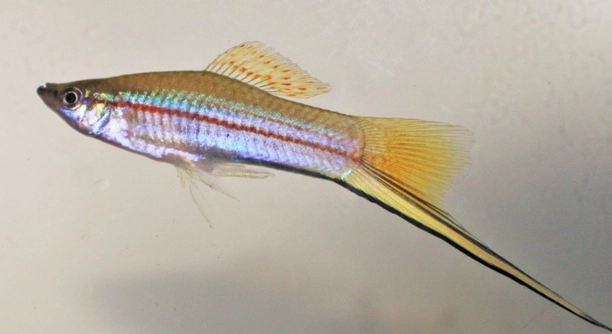
Is your swordtail acting strangely, staying near the bottom of the tank, or showing signs of stress that worry you?
A swordtail may be dying due to illness, poor water quality, or stress from tank mates. Common signs include lethargy, loss of appetite, faded colors, and erratic swimming. Immediate action improves chances of recovery.
Spotting these early signs can help you react quickly and possibly save your swordtail from worsening health or death.
Loss of Appetite and Weight
A healthy swordtail usually has a good appetite. If your fish suddenly stops eating or eats very little, it could be a sign something is wrong. Illness, poor water quality, or internal parasites can lead to a loss of appetite. Over time, this results in noticeable weight loss. The body may look thinner, and the stomach can appear sunken. Make sure you’re offering fresh food and not overfeeding. Rotten food can foul the water and cause problems. Also, check if other fish in the tank are bullying your swordtail during feeding times, which can lead to stress and skipped meals. Watch closely for any behavioral changes. A healthy swordtail swims actively and responds to food quickly.
Refusing food for more than two days is not normal and should not be ignored. Act quickly if your swordtail is not eating, especially if it also looks weak or is losing weight.
Feeding smaller, high-quality meals and testing your water for ammonia or nitrate levels can help. If parasites are suspected, you might need to use a fish-safe medication. Keep your swordtail in a quiet space during recovery, and try offering different food types like flakes, frozen brine shrimp, or soaked pellets to encourage eating again.
Unusual Swimming Behavior
Swimming that seems slow, jerky, or off balance often points to stress or illness in your swordtail.
Erratic swimming may come from poor water quality, oxygen issues, or even swim bladder problems. A swordtail that floats to the surface, sinks to the bottom, or tilts to one side may be struggling to stay stable. Water temperature changes can also affect this behavior. Check for strong filters or water flow that may be tiring out your fish. Some medications, if recently used, might cause temporary imbalance. Always observe if your swordtail struggles more after feeding, as digestive problems can make swim bladder issues worse. If you notice clamped fins or a lack of interest in other fish or the environment, these are added clues something is wrong. Keep an eye on these behaviors for a full day or two, as short-term odd movements might just be stress. If it continues, it’s time to act. Clean the tank, monitor the water parameters, and isolate the fish if needed.
Gasping at the Surface
Swordtails that swim to the top and gasp for air might be struggling with low oxygen. This can happen if the water is too warm, dirty, or if the tank lacks proper circulation. It’s a serious sign and needs attention right away.
Low oxygen levels are often caused by poor aeration, especially in overcrowded tanks. If your swordtail keeps gasping or staying near the filter output, the oxygen might not be enough. You can improve this by adding an air stone or adjusting the filter to create more surface movement. Also, make sure the tank isn’t too warm, since warmer water holds less oxygen. Live plants can also help add oxygen to the water, especially if they’re healthy and get enough light. Cleaning the tank regularly, keeping it at the right temperature, and avoiding overstocking are the best ways to avoid this issue.
Another possible cause is ammonia poisoning. When ammonia levels rise, it can burn the gills, making it hard for your swordtail to breathe. Test your water for ammonia, nitrite, and nitrate. If ammonia is high, perform a partial water change immediately and add a water conditioner that detoxifies ammonia. Make sure your filter is working well and not clogged. Feed lightly during this time to avoid adding more waste to the water.
Clamped Fins
Clamped fins are when the fish holds its fins close to its body instead of spreading them out. This is usually a sign that something is wrong, often caused by stress, poor water quality, or disease. It’s one of the earliest signs you’ll notice if a swordtail isn’t feeling well.
If you see clamped fins along with hiding, dull color, or lack of movement, take action. These symptoms can point to parasites like ich, bacterial infections, or high toxin levels in the water. Start by testing the water and doing a partial water change. Raise the water temperature slightly if treating for ich (usually around 78–80°F), and follow treatment directions closely if using medicine. Quarantine the affected fish if possible to prevent spreading illness. Make sure the tank is clean, not overcrowded, and that all fish are getting along. Keep an eye on your swordtail daily to see if the fins start to open up again.
Faded Color
Faded color in swordtails can mean stress, poor diet, or illness. When a fish loses its bright shades, it’s often reacting to something in its environment. Changes in water temperature or quality can also cause the fish to lose its natural coloring.
A sudden loss of color might also happen if your swordtail is being bullied or hiding often. Feeling unsafe or overpowered by other fish can lead to stress. This stress will show up in both behavior and appearance. Fixing the cause can help bring the color back.
Lying at the Bottom of the Tank
A swordtail resting at the bottom could be sick, stressed, or tired. While short naps are normal, staying there all day is not. This behavior can also mean the fish is weak from infection, poor water quality, or internal issues. Always check your water parameters right away.
Shaking or Twitching
Shaking or twitching is usually a sign of irritation or pain. It can be caused by external parasites, poor water conditions, or chemical burns. Watch for other signs like rubbing against decorations or quick gill movement, which may mean something is bothering your swordtail’s skin or gills.
FAQ
What causes swordtails to lose their color?
Swordtails may lose their vibrant color for several reasons, including poor water quality, stress, or illness. Stress from overcrowding, incompatible tank mates, or poor water conditions can cause them to appear dull. Additionally, a lack of proper nutrients in their diet can lead to fading colors. If a swordtail is exposed to toxins like high ammonia or nitrate levels, it may also cause color loss. Ensuring your swordtail is in a healthy tank with proper care and a balanced diet can help restore their colors.
Why is my swordtail swimming erratically?
Erratic swimming behavior can be caused by several factors such as poor water quality, stress, or illness. Water temperature fluctuations, high ammonia, or an overcrowded tank can affect a swordtail’s ability to swim normally. Diseases like swim bladder disorder or parasitic infections might also cause unusual swimming patterns. Make sure your tank’s temperature and water conditions are stable and clean. If erratic swimming continues, consider checking for signs of illness and treat appropriately.
How do I know if my swordtail is stressed?
Stress in swordtails is often visible through behaviors like hiding, refusal to eat, or clamped fins. If your swordtail is spending more time at the bottom of the tank or swimming in circles, it may be stressed. Stress can stem from poor water conditions, bullying by other fish, or a lack of space. Regularly testing the water for ammonia, nitrites, and nitrates can help you keep stress at bay. A stressed swordtail may also show color loss or begin to lose its appetite.
Can swordtails recover from disease?
Swordtails can recover from many diseases if treated early and properly. Conditions like ich, fin rot, and parasites can often be treated with medication, water changes, and adjusting the tank environment. However, recovery depends on how severe the illness is and how quickly it is addressed. Regularly monitor your swordtail for signs of disease, and isolate sick fish to prevent the spread of illness. Keeping your tank clean and maintaining proper water conditions is essential for the health of all fish.
Is my swordtail dying if it’s staying at the bottom of the tank?
Swordtails staying at the bottom of the tank are not necessarily dying, but it is a sign of distress. They may be sick, stressed, or suffering from poor water conditions. Check the water parameters for any imbalances in pH, temperature, or ammonia levels. If the fish remains lethargic and continues staying at the bottom for an extended period, this could indicate a more serious problem that requires immediate attention.
What should I do if my swordtail is not eating?
If your swordtail isn’t eating, first check the water quality. High ammonia, nitrite, or nitrate levels can cause fish to lose their appetite. Next, check for signs of illness or stress, such as clamped fins or abnormal swimming behavior. Offering different types of food, such as flakes, pellets, or frozen brine shrimp, may help encourage them to eat. If the problem persists, consider isolating the fish in a quarantine tank to reduce stress and make it easier to treat any underlying health issues.
How can I help my swordtail breathe better?
If your swordtail is having difficulty breathing, ensure the tank has enough oxygen. Adding an air pump or air stone can increase oxygen levels in the tank, particularly if the tank is overcrowded or has poor water circulation. Check the water temperature and ensure it is not too warm, as warm water holds less oxygen. Additionally, maintaining good water quality is crucial, as high levels of toxins like ammonia or nitrites can damage gills and cause breathing difficulties.
How do I treat a swordtail with swim bladder disease?
Swim bladder disease often causes swordtails to float unnaturally, either sinking to the bottom or swimming upside down. Treatment can involve adjusting water temperature, fasting the fish for a few days, or feeding them peas, which can help with digestion. If symptoms persist, it’s important to monitor the fish for any signs of bacterial infection or other diseases and treat accordingly. A clean tank with good water quality will also support the healing process.
Can swordtails live with other types of fish?
Swordtails are generally peaceful and do well with most other non-aggressive species. However, they should not be kept with fin-nipping or aggressive fish. Tankmates like guppies, mollies, or tetras are great companions for swordtails. Ensure that all fish in the tank are compatible in terms of size and temperament. Overcrowding or poor tank conditions can cause aggression and stress, so it’s best to keep a reasonable number of fish in a well-maintained tank.
What should I do if my swordtail is shaking or twitching?
Shaking or twitching can be a sign of external parasites or irritation caused by poor water conditions. Check for any signs of abnormal skin texture, like sores or white spots, which could indicate an infection. Treat the tank with a suitable anti-parasitic medication if parasites are present. If the shaking persists, check the water quality for any imbalances and perform a partial water change. Keep an eye on the swordtail for any changes in behavior that might indicate a more serious issue.
Why is my swordtail’s tail fraying?
Fraying tails are often caused by poor water quality, fin rot, or bullying by other fish. If your swordtail is being chased or nipped by tank mates, it may result in damaged fins. Fin rot, caused by bacterial infections, can also lead to fraying and discoloration of the tail. To treat this, remove the infected fish to a quarantine tank, improve water conditions, and consider using an antibacterial treatment. Regular tank cleaning and proper filtration can help prevent these problems.
Final Thoughts
When you notice any signs that your swordtail might be struggling, it’s important to act quickly. Swordtails can be sensitive to changes in their environment, and many of the symptoms mentioned can be indicators of stress, illness, or poor water quality. Regular water testing and tank maintenance are key to preventing many common issues. Keeping your swordtail’s home clean and stable will make a huge difference in its overall health. In addition to this, providing a balanced diet and a peaceful environment will help your swordtail thrive.
If your swordtail is showing signs of illness, isolating it in a separate tank or quarantine setup is a good idea to avoid spreading potential diseases to other fish. When dealing with sickness, consider giving your fish the time and space it needs to recover. It can take a little while for the symptoms to improve, so patience is essential. If the condition worsens or doesn’t improve after a few days, it’s best to consult an expert or a veterinarian who specializes in aquatic life for advice on next steps.
In the end, keeping a swordtail healthy is all about maintaining a balanced and calm environment. Monitoring the water quality regularly, offering the right food, and paying attention to any behavioral changes are essential practices. By staying proactive and informed, you’ll be better equipped to handle any problems that come up. Your swordtail can live a long and happy life with the right care and attention.

Hello,
If you enjoy the content that we create, please consider saying a "Thank You!" by leaving a tip.
Every little bit helps us continue crafting quality advice that supports the health, happiness, and well-being of pets around the world, for pets of all shapes, sizes, and species.
We really appreciate the kindness and support that you show us!