
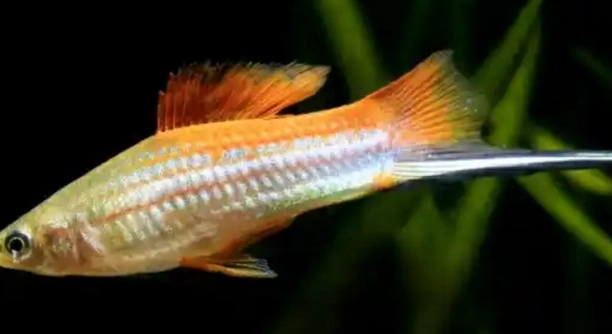
Have you ever walked past a tank of colorful swordtails and thought about starting your own aquarium at home? These fish are popular, peaceful, and easy to care for, making them a favorite among beginners.
Swordtails need a tank that is at least 20 gallons in size to thrive. This space allows them to swim freely, reduces stress, and provides enough room for their active nature and potential offspring if breeding occurs.
Choosing the right tank size is only the beginning. Other factors like tank mates, decorations, and water quality all play a role in helping swordtails live happy, healthy lives.
Choosing the Right Tank Size
When setting up a home for swordtails, it’s important to give them enough room to swim and grow. A 20-gallon tank is the minimum, but bigger is often better. These fish are active and like to have space to move around. If you’re planning to keep a small group, a 30-gallon tank or larger will help keep things peaceful and clean. Swordtails can also breed easily, so having more space helps avoid overcrowding. In smaller tanks, waste builds up faster, leading to poor water conditions and stress. With more water volume, it’s easier to maintain stable temperatures and reduce harmful spikes in ammonia or nitrates. A larger tank also lets you add decorations and plants without taking away from their swimming space. Think of the tank as their home—they need enough room to stay healthy and active.
A small tank can lead to aggressive behavior and poor health. Overcrowding often causes stress, making swordtails more likely to get sick.
If you are keeping males and females together, you’ll need to consider the potential for breeding. A larger tank helps manage this better, as baby swordtails—also called fry—will need places to hide. Plants and decorations give them shelter from adult fish.
How Many Swordtails Can You Keep?
Swordtails are social fish that do best in groups. Still, they need enough space to move freely and stay healthy. The general rule is one inch of fish per gallon of water.
In a 20-gallon tank, you can comfortably keep around 4 to 5 adult swordtails, depending on their size and the tank setup. Keep in mind that adult swordtails can grow up to 4 inches long. Males can be territorial, especially in smaller tanks, so it’s usually best to keep one male with several females to reduce tension. Adding too many fish can stress the group and lead to water quality issues. A filter and regular maintenance help, but space remains the key factor. If you plan to mix swordtails with other peaceful fish, you’ll need to reduce the number of swordtails or go for a larger tank. Overcrowding makes it harder to keep the water clean and the fish calm. Always choose quality over quantity when it comes to stocking your tank.
Tank Setup Tips for Swordtails
Swordtails do best in tanks with stable water conditions, gentle filtration, and enough plants or decorations to offer hiding spots. Use a heater to keep the temperature between 72°F and 82°F. Avoid sharp objects that could damage their fins.
A good tank setup includes a soft, fine gravel or sand substrate. Live plants like java fern or hornwort help keep the water clean and give the fish places to explore or rest. A gentle filter is important to keep the water clear without creating strong currents that stress the fish. Make sure to cycle the tank before adding any swordtails, as they are sensitive to ammonia spikes. Adding a few rocks or driftwood pieces helps create natural barriers, which reduce aggression between males. Swordtails appreciate lighting that mimics a day-night cycle, so use a timer to keep things regular. Clean the tank weekly and replace part of the water to maintain balance.
Avoid overcrowding and always test your water regularly. Swordtails are sensitive to poor water quality, so check ammonia, nitrite, and nitrate levels weekly. Keeping the pH between 7.0 and 8.4 helps prevent stress. Sudden temperature shifts or dirty water can lead to illness, so consistency is key. Feeding them a varied diet also supports their health.
Common Tank Mates for Swordtails
Swordtails are peaceful and get along well with other non-aggressive fish. Good tank mates include mollies, platies, guppies, cory catfish, and tetras. Avoid fish that nip fins or act aggressively, as swordtails don’t defend themselves much.
When choosing tank mates, match fish with similar size and temperament. Swordtails like to swim in the middle and upper levels of the tank, so bottom dwellers like cory catfish make a great pair without crowding their space. Avoid slow-moving fish with long fins—like bettas—as swordtails may sometimes nip at them. Keep in mind that swordtails breed often, so tank mates should be able to tolerate the occasional baby fish or be housed separately if needed. To reduce stress, make sure all fish have hiding spots and plenty of swimming room. Stick to peaceful species that thrive in the same water conditions. This keeps the tank calm and makes care easier for everyone involved.
Breeding and Population Control
Swordtails breed often, especially when males and females share the same tank. One female can give birth to dozens of fry every few weeks, which can quickly lead to overcrowding if not managed properly.
To control the population, keep only one gender or separate males and females. Using a breeder box can also help.
Signs Your Tank is Too Small
When a tank is too small, swordtails may show signs of stress like faded color, clamped fins, or hiding often. You might also notice aggressive behavior between males or poor water quality that’s hard to manage, even with regular cleaning.
Cleaning and Maintenance
Clean the tank weekly by removing debris and changing 25% of the water. Use a gravel vacuum to reach waste in the substrate and rinse the filter gently in old tank water. Regular care keeps your swordtails healthy and the water conditions stable.
FAQ
Can swordtails live in a 10-gallon tank?
A 10-gallon tank is not suitable for swordtails. These fish are active swimmers and need more space to stay healthy and stress-free. A small tank leads to poor water quality, limited swimming space, and more aggressive behavior. It also increases the risk of disease. A 20-gallon tank is the absolute minimum recommended, especially if you plan to keep more than one. Smaller tanks are harder to manage and can’t handle the bioload of adult swordtails, especially if they breed. A cramped environment leads to health issues and shortens their lifespan.
How many swordtails can I keep in a 20-gallon tank?
In a 20-gallon tank, you can keep around 4 to 5 swordtails. That number depends on their size and whether you have other fish in the tank. It’s best to keep one male and a few females to reduce aggressive behavior. Swordtails grow to about 4 inches, so they need space to swim. If you’re adding tank mates, you may need to reduce the number of swordtails to avoid overcrowding. Overcrowding leads to stress and poor water quality. Always prioritize clean water and happy fish over fitting too many into a small space.
Do swordtails need a heater?
Yes, swordtails need a heater to keep their water between 72°F and 82°F. These tropical fish don’t do well in cold water. Fluctuating temperatures can lead to illness and stress. A reliable heater keeps the water stable, especially in colder months or cooler climates. Choose a heater that fits your tank size and always use a thermometer to monitor the temperature. Don’t place the tank near windows or air vents, as outside temperatures can affect the water too. Keeping a stable, warm environment helps swordtails stay active and healthy.
Can I keep swordtails with bettas?
Keeping swordtails with bettas isn’t usually recommended. While swordtails are generally peaceful, they can sometimes nip at long fins. Bettas are also territorial and may see swordtails as a threat. If you do try this combination, use a large tank with plenty of hiding spots and monitor them closely. It’s safer to choose tank mates with similar activity levels and no fin displays. Fish like platies, mollies, and cory catfish are better choices. Always introduce new fish slowly and be prepared to separate them if problems come up.
Do swordtails need a filter?
Yes, swordtails need a filter to keep the water clean and oxygenated. Filters remove waste, uneaten food, and toxins like ammonia and nitrites. Without a filter, it’s difficult to maintain safe water conditions, especially in smaller tanks. Choose a gentle filter that doesn’t create strong currents. A sponge filter or adjustable flow filter works well. Clean the filter regularly by rinsing it in old tank water to keep it working properly. Good filtration supports your fish’s health and makes your maintenance routine easier. It also helps reduce algae and cloudy water.
Can swordtails jump out of the tank?
Yes, swordtails can jump out of the tank. They are strong jumpers, especially when startled or stressed. A secure lid or hood is essential to keep them from escaping. Leaving the tank open puts your fish at risk of injury or death. Make sure the lid fits well and check it often. Fish may also jump if water quality is poor, so keeping the environment healthy can help reduce the risk. Adding floating plants can also help calm them down and make them feel safer, which may lower the chance of jumping.
How often should I feed my swordtails?
Feed swordtails once or twice a day in small amounts they can finish in about two minutes. Overfeeding leads to dirty water and health problems. Use a mix of high-quality flakes, pellets, and the occasional treat like bloodworms or brine shrimp. A varied diet keeps them healthy and enhances their color. Remove any uneaten food after a few minutes to keep the tank clean. On some days, it’s okay to skip a feeding—this can help balance their digestion. Consistency and moderation are important when it comes to feeding.
What pH level do swordtails need?
Swordtails prefer a pH between 7.0 and 8.4. They are hardy fish but still need stable water conditions to stay healthy. Test your water regularly using aquarium test kits. If the pH is too low or fluctuates often, it can cause stress or illness. Avoid using chemicals to adjust pH unless necessary, as sudden changes can be harmful. Instead, use natural methods like crushed coral or driftwood if adjustments are needed. Keeping the pH consistent is more important than hitting a perfect number. Stable water quality always helps reduce health issues.
Do swordtails need live plants?
Swordtails don’t need live plants to survive, but they do benefit from having them in the tank. Live plants help filter the water, provide hiding spots, and reduce stress. Plants like java moss, hornwort, or water sprite are easy to care for and grow well in most swordtail setups. They also offer shelter for baby fish if breeding happens. While artificial plants can provide hiding spots too, they don’t improve water quality the same way live ones do. Adding a few real plants creates a more natural and calming environment for your swordtails.
Final Thoughts
Keeping swordtails healthy starts with giving them enough space. A 20-gallon tank is the minimum size recommended, but larger tanks are always better. These fish are active and need room to swim, explore, and stay calm. When they don’t have enough space, problems like stress, illness, and aggressive behavior can happen. Bigger tanks also help with water quality, making it easier to keep everything balanced. Clean water, steady temperature, and a safe tank setup all make a big difference in how well swordtails do. A well-maintained tank creates a more stable and comfortable home for them.
It’s also important to think about how many fish you plan to keep. Swordtails breed often, and it’s easy to end up with too many in a small space. Managing the number of fish, along with choosing the right tank mates, helps avoid overcrowding and stress. Peaceful fish like platies and cory catfish are great options. Avoid aggressive species or fish with long fins that might get nipped. Feeding them a balanced diet, checking water regularly, and doing weekly cleaning all support good health. Adding live plants, hiding spots, and gentle filtration helps make the tank feel more natural and less stressful for the fish.
Setting up a tank for swordtails takes a bit of effort, but it’s worth it. Once everything is running smoothly, these fish are fun to watch and easy to care for. They come in many colors and can add a lot of life to your aquarium. Even if you’re new to fish keeping, swordtails are a good choice because they are hardy and adapt well if their needs are met. Focus on space, water quality, and peaceful tank mates, and you’ll have a setup where swordtails can thrive. Taking time to learn and care for them properly means they’ll stay happy and healthy for years to come.

Hello,
If you enjoy the content that we create, please consider saying a "Thank You!" by leaving a tip.
Every little bit helps us continue crafting quality advice that supports the health, happiness, and well-being of pets around the world, for pets of all shapes, sizes, and species.
We really appreciate the kindness and support that you show us!