
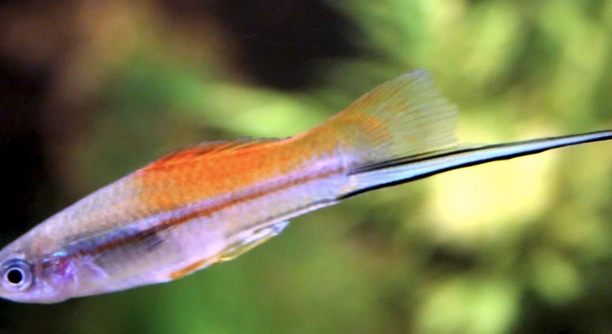
Swordtails are popular aquarium fish known for their vibrant colors and peaceful nature. When considering how many to keep together, it’s important to understand their social needs and how they interact in groups. This will ensure a happy, healthy tank environment.
Swordtails should ideally be kept in groups of at least 3 to 5 individuals, with a ratio of 2 females to every male to prevent aggression. Having more females than males helps reduce stress and territorial behavior.
Keeping the right number of swordtails will help maintain a balanced aquarium. Learn more about their social behavior and tips for a thriving tank environment.
Why Swordtails Need Company
Swordtails are social fish and prefer to be kept in groups. When kept alone or in small numbers, they can become stressed, which can lead to health problems and reduced activity. Swordtails are naturally active swimmers and enjoy the company of others, especially in larger tanks. Having multiple swordtails allows them to feel secure, making them more comfortable and vibrant.
While swordtails can survive in pairs, they thrive in schools where they can interact and share their space. Keeping just one male in a group helps prevent aggression. When males are outnumbered by females, they tend to be less territorial and more relaxed.
Additionally, swordtails are known to establish social hierarchies, and having several fish in the tank ensures that everyone finds their place. A well-balanced group of swordtails will allow them to interact in a natural way, which reduces stress and promotes healthier fish. This natural interaction also enhances the beauty of the aquarium, with their colorful tails and constant movement creating an engaging environment.
The Importance of Male and Female Ratios
Maintaining the right male-to-female ratio is essential for harmony in your tank. It’s best to keep more females than males to reduce male competition.
Male swordtails can become aggressive when they have to compete for the attention of females. By providing a higher female count, this aggression is reduced, leading to a more peaceful environment for all the fish. Too many males in a small tank can cause stress and even physical harm, as they chase the females too aggressively.
By balancing the number of males and females, you ensure that the males don’t overwhelm the females and that the females can live more comfortably. This also allows for better breeding opportunities if you plan to breed swordtails in the future. Keeping a good ratio of swordtails creates a more stable and happier aquarium.
Tank Size for Swordtails
Swordtails need ample space to swim and thrive. A 20-gallon tank is a good starting point for a small group. If you’re planning to have more swordtails, a larger tank will help keep them comfortable. Crowding can lead to stress and aggression, affecting their health.
A 20-gallon tank allows swordtails to explore, while offering enough space to establish territories. If you plan to add other fish species, consider a larger tank to accommodate everyone. Swordtails tend to be peaceful, but they need space to avoid overcrowding and to prevent competition for resources.
A bigger tank also provides better water quality and makes maintenance easier. In a larger space, water parameters are easier to balance, reducing the chances of unhealthy water conditions. A well-maintained tank promotes the growth and well-being of all the fish in your aquarium.
Maintaining a Healthy Environment
Regular water changes are crucial for keeping swordtails healthy. Aim to change 25-30% of the water every week. This helps maintain proper water quality and keeps toxins from building up, preventing stress and disease.
In addition to water changes, monitor the temperature and pH levels regularly. Swordtails prefer water that is slightly alkaline (pH 7.0–8.4) and a temperature between 72°F and 79°F. Keeping these conditions stable will ensure they stay healthy. Swordtails are quite adaptable, but sudden changes in their environment can lead to stress and illness.
Filtration is another important factor. A good filter helps keep the water clean, removes debris, and ensures that oxygen levels stay high. Without proper filtration, waste builds up quickly, leading to poor water quality. Always ensure your filter is appropriate for the size of your tank to maintain a clean, healthy environment for your swordtails.
Swordtail Breeding Tips
Swordtails breed easily in a well-maintained tank with proper male-to-female ratios. Make sure there are enough hiding spots for females to escape the attention of the males if needed. This helps reduce stress for the females.
Once swordtails start breeding, you may notice the females becoming more rounded as they carry eggs. Swordtail fry are born live, so be prepared for a surge of baby fish. You can set up a separate breeding tank or use a breeding box to keep the fry safe from adult fish.
Swordtails are livebearers, meaning they give birth to fully developed young. After birth, the fry can be fed crushed flakes or baby brine shrimp. Keeping a separate space for them ensures they get enough food and grow strong without the risk of being eaten by the adults.
Choosing Compatible Tankmates
Swordtails are peaceful fish, making them compatible with many other species. Avoid keeping them with overly aggressive or fin-nipping fish. Good tankmates include tetras, guppies, and small catfish.
When choosing tankmates, consider the activity levels and water conditions required by other species. Swordtails are active swimmers, so pairing them with similarly active fish ensures they feel comfortable. Ensure the tank size is adequate to support the added fish without overcrowding, which could cause stress and health problems.
FAQ
How many swordtails can I keep in a 10-gallon tank?
In a 10-gallon tank, it’s best to keep no more than 3-4 swordtails. While swordtails are small, they need space to swim and thrive. Overcrowding in a small tank can lead to stress, territorial disputes, and poor water quality. If you want to add more fish, make sure to consider their size and temperament.
Can swordtails live with other species?
Yes, swordtails are peaceful and generally get along with other non-aggressive fish. Good tankmates include tetras, guppies, and other livebearers. Avoid species that might nip fins or are too aggressive, as they can stress out the swordtails and affect their health.
Do swordtails need a heater in the tank?
Yes, swordtails prefer a stable water temperature between 72°F and 79°F. If you live in an area with fluctuating temperatures, a heater will help maintain the right conditions. This ensures that your swordtails stay healthy and stress-free. A heater is especially important if your room temperature drops below 70°F regularly.
How often should I feed my swordtails?
Feed swordtails twice a day, offering small portions of food that they can consume in a few minutes. Overfeeding can lead to water quality issues and obesity in your fish. It’s better to feed small amounts multiple times a day than to give them too much at once.
Do swordtails require special water conditions?
Swordtails are adaptable but thrive in water with a pH between 7.0 and 8.4. They prefer slightly alkaline water and temperatures between 72°F and 79°F. It’s important to regularly test the water to ensure it remains within these ranges. If the water is too acidic or too alkaline, it could cause stress and health problems.
How can I tell if my swordtails are healthy?
Healthy swordtails are active, swim in all parts of the tank, and have bright colors. Their fins should be spread out and not clamped, and they should be eating well. If your swordtail starts hiding, loses color, or stops eating, it could be a sign of illness or stress.
Do swordtails need to be kept in pairs?
Swordtails should not be kept in pairs, as this can lead to aggression, especially from males. It’s best to have at least 3 swordtails in a group, with more females than males. This reduces stress and prevents males from becoming overly dominant. A good ratio is 2-3 females for each male.
How long do swordtails live?
Swordtails typically live 3-5 years when kept in proper conditions. Their lifespan can be affected by factors like water quality, diet, and tank size. Providing a stable, clean environment with good water conditions can help them live longer and stay healthier.
Why is my swordtail chasing other fish?
Chasing other fish is usually a sign of territorial behavior or mating attempts. Male swordtails often chase females to court them. However, if males are chasing other fish or bullying females, it may indicate that there are too many males in the tank, or the fish feel overcrowded. Ensuring a proper male-to-female ratio can reduce this behavior.
How can I tell if my swordtail is pregnant?
Female swordtails become noticeably rounder when they are carrying eggs. They will have a visible bulge near their abdomen as they develop their young. Swordtails are livebearers, so they will give birth to fully formed fry. If your female is large and round, prepare for fry to be born within a few weeks.
Can swordtails live in freshwater or saltwater?
Swordtails are freshwater fish and should not be kept in saltwater environments. They are well-suited for freshwater tanks with slightly alkaline water. Keeping swordtails in saltwater would stress them and likely result in illness or death.
How do I care for swordtail fry?
Once swordtail fry are born, they should be kept in a separate breeding tank or a breeding box to protect them from adult fish. Feed them crushed fish food or baby brine shrimp. They will grow quickly and can be moved to the main tank once they’re large enough to avoid being eaten.
What are common diseases in swordtails?
Common diseases in swordtails include ich, fin rot, and swim bladder disease. Ich appears as white spots on the fish’s body, while fin rot leads to frayed fins. Swim bladder disease affects buoyancy and can make the fish float upside down. Regular water changes and good tank maintenance help prevent these diseases.
How do I prevent swordtail aggression?
Swordtail aggression can be reduced by keeping more females than males in the tank. Male swordtails can become territorial and chase the females, but a higher female-to-male ratio decreases this behavior. Additionally, providing plenty of hiding spots and space will help reduce competition and stress.
Do swordtails need light in their tank?
Yes, swordtails benefit from a regular light cycle. They don’t require intense lighting, but having a consistent day-night cycle helps them maintain their natural rhythm. Avoid placing the tank in direct sunlight, as this can lead to algae growth and fluctuating water temperatures.
How do I breed swordtails?
Breeding swordtails is easy, as they are livebearers. To breed them, ensure you have at least one male and several females in a tank that is well-maintained. Provide plenty of plants and hiding spots for the females. After mating, the female will carry the eggs for a few weeks before giving birth to live fry.
What should I do if my swordtail is sick?
If your swordtail shows signs of illness, isolate it in a quarantine tank to prevent the spread of disease. Monitor its symptoms and try to diagnose the problem based on its behavior, appearance, and eating habits. Many common illnesses can be treated with medications available at pet stores.
Final Thoughts
Swordtails are beautiful, active fish that can make a great addition to any aquarium. They are relatively easy to care for, making them a good choice for both beginners and experienced fish keepers. However, like all aquarium fish, swordtails require proper attention to their tank conditions, water quality, and social needs to thrive. By keeping a proper group of swordtails, maintaining a balanced male-to-female ratio, and ensuring the right tank size, you can create a healthy environment where these fish can flourish.
Providing your swordtails with the right care means paying attention to their water parameters, feeding schedule, and regular tank maintenance. Swordtails are sensitive to water changes, so it’s important to monitor temperature, pH, and ammonia levels regularly. In addition, these fish benefit from a good filtration system and consistent water changes to keep the water clean and clear. Healthy water quality not only supports the fish’s well-being but also reduces the chances of common aquarium illnesses. You can also make your swordtail tank more comfortable by adding plants or rocks for hiding spots, which will make your fish feel secure and safe.
Whether you plan to breed swordtails or simply enjoy their colorful display in your tank, understanding their needs will help ensure they live long, happy lives. Swordtails are known for their peaceful nature, and when kept in appropriate numbers, they can coexist peacefully with many other species. Keeping them in a well-maintained tank with proper care will not only support their health but also create an attractive, dynamic aquarium. By taking the time to get familiar with their behavior and care requirements, you can enjoy watching these lively fish as they swim and interact in their home.

Hello,
If you enjoy the content that we create, please consider saying a "Thank You!" by leaving a tip.
Every little bit helps us continue crafting quality advice that supports the health, happiness, and well-being of pets around the world, for pets of all shapes, sizes, and species.
We really appreciate the kindness and support that you show us!