
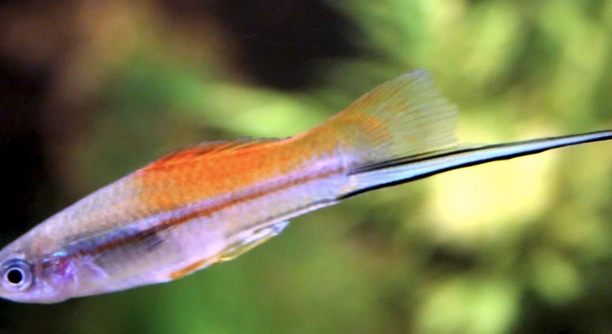
Starting with swordtails as pets is exciting, but it can be tricky. Their care needs are unique, and many new owners make common mistakes. It’s important to learn the right way to keep them happy and healthy.
New swordtail owners often make mistakes related to water conditions, tank size, feeding habits, and social dynamics. These issues can affect their health and longevity, leading to unnecessary stress for both the fish and their owners.
By understanding these simple mistakes, you can ensure a smoother experience and provide your swordtails with the care they need. Let’s explore how to avoid these common errors and create a better environment for your fish.
Not Understanding Water Conditions
Swordtails are sensitive to water quality, and poor conditions are one of the biggest mistakes new owners make. Without proper water parameters, swordtails can become stressed, get sick, or even die. They require a stable environment with the right pH level, temperature, and hardness. Too much or too little of any of these factors can affect their health. A clean tank is essential, and regular water changes help to maintain the balance.
Maintaining consistent water temperature between 72-78°F (22-26°C) is critical. A heater may be needed if the room temperature fluctuates.
Using a good water testing kit regularly will allow you to check the levels of ammonia, nitrites, and nitrates. Swordtails thrive in slightly alkaline water, with a pH between 7.0 and 8.0. A well-maintained filtration system will help remove waste and maintain clear water. Keeping an eye on these aspects ensures the fish remain healthy and vibrant.
Choosing the Right Tank Size
A small tank might seem tempting, but swordtails need plenty of space to thrive.
A 20-gallon tank is the minimum recommended size for a small group of swordtails. They are active swimmers and need room to move around. A tank that is too small can cause stress and lead to aggressive behavior, especially when they feel cramped. Additionally, smaller tanks are harder to maintain, with fluctuations in water quality being more common.
A larger tank provides better stability in water conditions and offers more space for swordtails to swim and interact. Adding plants and hiding spots can also reduce stress and improve the overall environment. The more space you can provide, the happier and healthier your swordtails will be.
Overfeeding
Overfeeding is a common issue with new swordtail owners. It leads to water pollution and health problems.
Swordtails can become overweight or develop swim bladder issues from overfeeding. The extra food also decays in the tank, contributing to poor water quality. It’s important to feed them only what they can eat in a few minutes, once or twice a day. Leftover food should be removed after each feeding to prevent it from affecting water conditions.
Another problem with overfeeding is that it can encourage the growth of harmful bacteria in the tank. The excess nutrients in the water cause an imbalance, leading to algae growth and possible illness. Stick to a proper feeding schedule, and avoid offering too much food at once. This way, your swordtails stay healthy and your tank remains clean.
Ignoring Tank Mates
Swordtails are social fish, but not all tank mates are suitable.
When choosing other fish, be mindful of their temperament. Swordtails can be peaceful but may become aggressive towards smaller or weaker tank mates. Fish like neon tetras or guppies often do well with swordtails. Avoid keeping them with overly aggressive species or those that can outcompete them for food.
A peaceful community tank can provide an enriching environment for swordtails. It’s important to monitor the dynamics in the tank and remove any aggressive or overly dominant fish. Additionally, ensure that the other species share similar water temperature and pH needs. This helps create harmony in the tank and allows all fish to coexist peacefully.
Not Monitoring Health Regularly
Swordtails can hide signs of illness, so it’s easy to miss issues.
Make sure to observe their behavior and appearance daily. If they stop eating, become lethargic, or develop unusual spots or fins, it may be a sign of illness. Regular health checks help catch problems early.
Monitoring their health also includes checking for parasites. Common issues in swordtails include fin rot, ich, and velvet disease. If left untreated, these can spread quickly. Regular water changes, proper feeding, and a stress-free environment all contribute to their health. If in doubt, visit a vet with experience in fish care.
Incorrectly Managing Breeding
Breeding swordtails requires attention to detail.
Swordtails breed easily, but many owners don’t realize the amount of care needed. Once the female swordtail is pregnant, separate her from the males to prevent further mating. A separate breeding tank with soft plants or moss will provide cover for the fry. Swordtails are livebearers, so the babies will be born fully formed and need protection from larger fish.
Ensure that the fry have access to tiny food like baby brine shrimp or specially formulated fry food. Not providing these will result in malnourished or dead fry. Proper management of the breeding process ensures the survival of the new generation.
Failing to Cycle the Tank
A proper tank cycle is essential for swordtails.
Before adding any fish, the tank needs to go through a nitrogen cycle to establish beneficial bacteria. Without this process, toxic ammonia and nitrites build up, which can harm the fish. Be patient during this phase, as it usually takes 4-6 weeks to complete.
Test the water regularly to ensure ammonia and nitrite levels stay at zero. If the cycle isn’t complete, swordtails will be exposed to harmful substances, leading to stress and illness. A properly cycled tank will provide a safe environment for your fish.
FAQ
What do swordtails eat?
Swordtails are omnivores, which means they eat both plant and animal matter. Their diet should consist of high-quality fish flakes, pellets, and live or frozen food like brine shrimp or daphnia. You can also provide them with some blanched vegetables, such as spinach or zucchini. Offering a varied diet helps keep them healthy and vibrant. Make sure to feed them small amounts that they can finish in a few minutes to avoid overfeeding. Swordtails can be picky eaters, so offering different foods can encourage them to eat more.
How often should I feed my swordtails?
Swordtails should be fed once or twice a day. It’s best to offer small portions that they can consume within a few minutes. Overfeeding can lead to poor water quality and health problems, so always remove any uneaten food after feeding. A feeding schedule helps them maintain a balanced diet and prevents water contamination. Don’t skip feedings for extended periods, as swordtails need regular meals to stay healthy. It’s important to ensure the food is appropriately sized for the fish to eat without causing stress or mess.
What size tank do swordtails need?
Swordtails need a minimum of a 20-gallon tank for a small group. The more space you provide, the better their environment will be. A larger tank helps maintain water quality and gives the fish room to swim. They are active fish and need ample swimming space to stay happy and healthy. If you have a larger group of swordtails or other fish, you’ll need an even bigger tank. A 30-gallon or larger tank is ideal for a peaceful, balanced aquarium with multiple species. It’s also a good idea to have a proper filtration system for keeping the water clean.
Can swordtails live with other fish?
Yes, swordtails can live with other peaceful species, like guppies, tetras, or mollies. However, they can be territorial and may become aggressive with other males of the same species. When choosing tank mates, make sure the fish have similar water requirements and temperament. Avoid keeping swordtails with fin-nipping or overly aggressive fish, as they may stress the swordtails or cause injuries. Swordtails also do well in community tanks with plenty of plants and hiding spots to reduce aggression and stress. Always observe the behavior to ensure peaceful interactions between species.
How can I tell if my swordtail is sick?
A sick swordtail may show several signs, including lethargy, loss of appetite, discolored or clamped fins, white spots on the body, or difficulty swimming. If you notice any of these symptoms, it’s important to address the issue quickly. Poor water quality is often the root cause of illness, so check the water parameters first. If the fish appears to be unwell, isolate it from the others in a quarantine tank to prevent the spread of disease. Consult with a vet or experienced aquarist to determine the correct treatment based on the symptoms.
Why is my swordtail not eating?
There are several reasons why a swordtail might stop eating. Stress from poor water quality, aggressive tank mates, or changes in their environment can cause them to lose their appetite. Ensure the water temperature, pH, and hardness are within the right range. If the tank is overcrowded or too small, swordtails may also avoid eating. Another possibility is that the food you’re offering isn’t to their liking. Try changing the type of food or offering live or frozen food to stimulate their appetite. If the problem persists, check for underlying health issues.
How do I breed swordtails?
Swordtails are easy to breed as livebearers, meaning they give birth to live young. To breed swordtails, you’ll need both a male and a female. The male will have a modified anal fin (gonopodium) used to transfer sperm to the female. After mating, the female can carry fertilized eggs in her body for around 3-4 weeks before giving birth. Provide a separate breeding tank with plenty of plants or soft moss to offer hiding spots for the fry. The baby swordtails will be fully formed when born and should be removed from the main tank to avoid being eaten by other fish.
How do I care for swordtail fry?
Caring for swordtail fry is relatively simple. After birth, the fry need to be separated from adult fish to prevent them from being eaten. Provide them with small, nutritious food like baby brine shrimp or finely crushed flakes. Keep the water clean and well-filtered, but avoid strong currents that could stress the fry. A 10-gallon tank is often ideal for raising fry, as it’s easy to manage. Over time, as the fry grow, you can introduce them to the main tank, but ensure they are large enough not to be eaten by adult fish.
How do I prevent swordtails from being stressed?
Stress is a common problem for swordtails and can lead to illness or aggression. To reduce stress, provide a well-maintained tank with stable water parameters. Avoid overcrowding, as this can cause tension between fish. Swordtails thrive in groups, but keep the male-to-female ratio balanced (one male to two or three females) to reduce aggressive behavior. Adding plants and hiding spots can also help them feel secure. Avoid sudden changes in water temperature or tank conditions, as these can lead to stress. Finally, make sure they have a proper diet and regular feeding schedule.
What should I do if my swordtail has fin rot?
Fin rot is a common issue caused by poor water quality or bacterial infection. To treat fin rot, first, improve the water quality by doing a water change and ensuring the filter is working properly. Remove any uneaten food and check the water parameters, especially ammonia, nitrite, and nitrate levels. If the problem persists, you may need to add a bacterial treatment to the tank. Isolate the affected fish in a quarantine tank to prevent spreading the infection. If the rot continues despite treatment, consulting a vet who specializes in fish is recommended.
Final Thoughts
Taking care of swordtails can be a rewarding experience, but it requires attention to detail. By understanding their needs and avoiding common mistakes, you can create a healthy and thriving environment for your fish. The key is to provide proper water conditions, a suitable tank size, and a balanced diet. Regular monitoring of their health and behavior helps catch problems early, preventing unnecessary stress or illness. Swordtails are relatively easy to care for, but they do better when given the right care and attention.
One of the most important aspects of keeping swordtails is maintaining good water quality. Consistent water changes, proper filtration, and regular testing are essential to keep the water parameters in check. Swordtails thrive in stable environments, so it’s important to avoid drastic changes in temperature, pH, or water hardness. Overfeeding and poor tank maintenance can lead to unhealthy conditions for your fish, so always be mindful of how much food you’re offering and how often you’re changing the water.
Lastly, understanding swordtail behavior and their social needs will help you avoid issues like aggression or stress. Keeping the right tank mates and providing plenty of space for them to swim and explore will improve their overall well-being. Swordtails are social creatures and do best in groups, but be cautious about overcrowding. By following these simple guidelines and being observant, you can enjoy watching your swordtails flourish in a peaceful and well-maintained tank.

Hello,
If you enjoy the content that we create, please consider saying a "Thank You!" by leaving a tip.
Every little bit helps us continue crafting quality advice that supports the health, happiness, and well-being of pets around the world, for pets of all shapes, sizes, and species.
We really appreciate the kindness and support that you show us!