
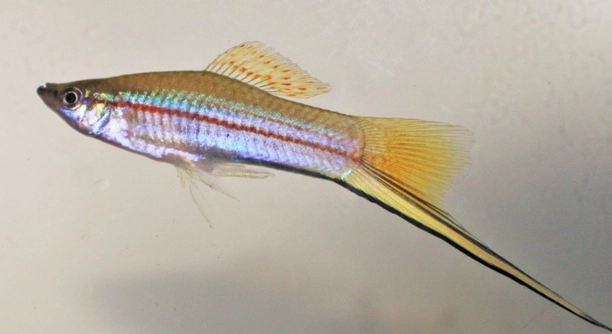
Swordtails are popular aquarium fish known for their colorful appearance and active behavior. However, fast breathing in these fish can be concerning for any fish owner. It is essential to understand why this happens.
The main reason for your swordtail’s fast breathing is stress or poor water conditions. Factors such as high ammonia levels, improper temperature, or low oxygen can trigger rapid respiration. Ensuring proper water quality and environment can alleviate this issue.
Addressing the water conditions and overall health of your fish will improve their well-being. Keep reading to find out how to prevent this from happening in the future.
Common Causes of Fast Breathing in Swordtails
Swordtails can start breathing fast due to a number of factors. Poor water quality is often the main cause, with high ammonia or nitrite levels harming the fish. It is essential to regularly test the water and make necessary adjustments. In addition to water quality, swordtails may experience stress from overcrowded tanks or incompatible tank mates. Temperature fluctuations can also cause them to breathe faster as their bodies try to adjust.
Maintaining a stable tank environment is crucial for swordtail health. Regular water changes, proper filtration, and temperature control are key factors to focus on.
To address the problem effectively, start by testing your aquarium’s water conditions. Adjustments to filtration systems or water changes may be needed to bring ammonia and nitrite levels down. Additionally, ensure your tank is not overcrowded, as fish are likely to become stressed in cramped spaces. Another important consideration is water temperature; swordtails prefer a consistent range of 72 to 79°F. Stressors, such as sudden changes in light or excessive noise, should also be minimized.
How to Improve Your Swordtail’s Health
Water quality and overall tank conditions are easy to control.
Maintaining optimal conditions involves regular water testing, temperature monitoring, and keeping the tank clean. A good filter system will help remove waste that can build up and harm your fish. Also, providing enough space for your swordtail will reduce stress. Fish that are overcrowded may experience respiratory problems due to limited oxygen levels. Keeping the tank clean and free of debris is another simple way to keep your swordtail breathing normally.
By implementing these changes, you can greatly reduce the risk of your swordtail experiencing fast breathing. This approach not only promotes a healthy tank but also ensures your fish live a stress-free life. Regularly testing water parameters, along with maintaining an appropriate tank environment, should provide noticeable improvements in your swordtail’s behavior. Ensuring your fish are not subjected to stress and have an adequate supply of oxygen will help prevent this issue from recurring.
Checking Water Parameters
When swordtails start breathing fast, water parameters are often to blame. Regular testing is essential for identifying issues with ammonia, nitrites, and pH levels. A test kit can quickly reveal harmful spikes, which require immediate action. Adjusting these parameters can prevent further stress for your fish.
Ammonia and nitrites are toxic to fish even in small amounts, and can easily spike in tanks with poor filtration or overfeeding. Perform water tests at least once a week, especially if you notice any changes in your swordtail’s behavior. To lower high levels, conduct partial water changes and ensure your filter is running efficiently.
pH imbalances can also cause respiratory stress in swordtails. They thrive in a neutral pH range, typically between 7.0 and 8.0. If the pH is too high or too low, it can lead to increased stress, causing faster breathing. Use pH adjusters if necessary, but make changes gradually to avoid sudden shifts.
Tank Temperature Control
Maintaining the right temperature is crucial for swordtails. Water that is too warm or cold can cause stress, leading to rapid breathing. Swordtails do best in a consistent range of 72 to 79°F. Keep an aquarium thermometer to monitor the temperature daily.
Temperature fluctuations affect your fish’s metabolism and overall health. Sudden drops or increases in water temperature can cause their gills to work harder to obtain oxygen, leading to faster breathing. Invest in a reliable aquarium heater that keeps the water temperature stable. Even a slight change can have a significant impact on your swordtail’s behavior.
Swordtails will also breathe faster if the temperature is outside their preferred range. If the water is too cold, they may become lethargic or breathe heavily. On the other hand, water that’s too hot can decrease oxygen levels, forcing them to respire more rapidly. Make sure to keep the tank in the ideal temperature range for healthy fish.
Tank Maintenance
Keeping your tank clean is essential for swordtail health. Waste buildup, leftover food, and debris can lead to poor water quality, triggering fast breathing. Regular tank cleaning helps reduce stress and maintain a stable environment. A clean tank ensures the fish breathe normally.
Remove uneaten food, vacuum the substrate, and clean the glass to reduce contaminants. Regularly check your filter to ensure it’s functioning properly. Over time, filters can become clogged, hindering water flow and filtration. Clean or replace the filter media as needed to keep the water quality high.
Oxygen Levels
Low oxygen levels can cause swordtails to breathe faster. Ensure your tank has adequate surface agitation for proper oxygen exchange. If the water is stagnant or the filter is not working well, oxygen will be insufficient.
Invest in an air pump or additional water movement if necessary. A good filter with proper water circulation will prevent oxygen depletion. Swordtails require enough dissolved oxygen to stay healthy and active. If you notice fast breathing, check your tank’s oxygen levels immediately.
Fish Health
Swordtails may breathe faster if they’re sick. Illnesses like gill parasites, infections, or internal problems can affect their respiratory function. Monitor for other signs of distress such as faded colors, loss of appetite, or abnormal swimming.
If your fish shows other symptoms besides fast breathing, consider a quarantine tank and consult a vet. Treating illnesses early can prevent further complications. Regular observation and prompt action can help maintain a healthy swordtail population in your aquarium.
FAQ
Why is my swordtail breathing fast but otherwise acting normal?
If your swordtail is breathing fast but doesn’t show other signs of distress, it may still be stressed due to poor water quality, temperature fluctuations, or lack of oxygen. Even mild stress can cause rapid breathing. Check the water conditions and ensure the tank temperature is within the ideal range of 72-79°F. Ensure good water circulation and oxygen exchange by maintaining proper filtration. If everything seems fine but the fast breathing continues, monitor your fish for other symptoms, as underlying health issues might develop.
Can swordtails breathe too much oxygen?
While swordtails require a good amount of oxygen, excessive oxygen is typically not a problem in well-maintained tanks. However, if you’re using a very strong air pump or aerator, it could lead to too much water agitation, which may stress your fish. In most cases, the problem is more about insufficient oxygen. Ensure that oxygen levels are consistent, and the tank isn’t overly agitated.
What are the signs of a sick swordtail?
A sick swordtail will show visible signs such as faded colors, loss of appetite, clamped fins, or unusual swimming patterns. If the fish starts gasping at the water’s surface or appears lethargic, it’s an indication of a possible illness. Look for symptoms like cloudy eyes, swollen abdomen, or skin lesions, which may signal a more serious problem. Early detection is key to treating the illness before it spreads.
Should I change the water if my swordtail is breathing fast?
Yes, if your swordtail is breathing fast, it’s a good idea to test and change the water, especially if water parameters like ammonia, nitrites, or pH levels are out of range. Water changes can help reduce toxins and provide a more stable environment for your fish. If the water has been neglected, contaminants may cause your fish to experience respiratory stress.
How often should I clean my swordtail tank?
It’s recommended to clean your swordtail tank once a week to ensure optimal water conditions. This includes removing uneaten food, vacuuming the substrate, and cleaning the tank walls. Regular maintenance prevents the buildup of organic waste, which can negatively affect water quality. Check the filter once a month and clean or replace the filter media as needed.
Can fast breathing be caused by overcrowding?
Yes, overcrowding can lead to stress, which can cause fast breathing. If the fish don’t have enough space to swim freely, it creates an unhealthy environment. The water quality can suffer quickly, leading to higher ammonia levels. Always follow the recommended stocking guidelines for swordtails and ensure that the tank has enough space for the fish to thrive.
What is the ideal tank size for swordtails?
For a pair of swordtails, a minimum of 20 gallons is recommended. If you want to keep more than two, increase the tank size accordingly. Overcrowding can lead to stress, poor water quality, and rapid breathing. A larger tank provides more oxygen and better filtration, which keeps swordtails happy and healthy.
Are there any diseases that cause fast breathing in swordtails?
Yes, several diseases can cause fast breathing in swordtails. Gill parasites, bacterial infections, and internal parasites can all interfere with a swordtail’s ability to breathe properly. Infected fish may display other symptoms like abnormal swimming, loss of appetite, or swollen gills. If you suspect an infection, move the affected fish to a quarantine tank and begin treatment immediately.
Is it normal for swordtails to breathe fast after a water change?
Swordtails may breathe faster temporarily after a water change due to the changes in water temperature or chemistry. If you’ve changed a significant amount of water, ensure that the new water matches the tank’s temperature and pH. A sudden temperature change can cause your fish to become stressed, leading to faster breathing. Monitor them closely for any other signs of distress.
Can feeding too much cause fast breathing in swordtails?
Overfeeding can lead to uneaten food decaying in the tank, which in turn affects water quality. This can increase ammonia levels and reduce oxygen, causing your swordtail to breathe rapidly. Be mindful of how much you’re feeding, and remove any leftover food from the tank. Feed your swordtail small amounts that they can consume in 2-3 minutes.
How can I improve oxygen levels for my swordtail?
To improve oxygen levels, ensure good water circulation and surface agitation. Use a filter that provides adequate water movement, or consider adding an air pump if necessary. Avoid overstocking the tank, as this can lead to low oxygen levels. Regularly check water quality to maintain healthy oxygen levels for your swordtails.
Final Thoughts
Swordtails are resilient fish, but when they start breathing fast, it’s essential to pay attention. Often, fast breathing signals stress, discomfort, or health issues. It’s important to understand the root cause of the behavior, whether it’s related to water quality, temperature, oxygen levels, or illness. By monitoring these factors closely, you can create a stable and healthy environment for your swordtail to thrive. Regular testing, water changes, and keeping the tank clean will go a long way in maintaining optimal conditions.
Over time, you may notice that your swordtail’s breathing becomes normal again after addressing the issue. It’s important not to ignore these early signs, as ongoing stress or poor water conditions can weaken their immune system and lead to more severe problems. By taking proactive measures, you’ll be able to prevent further complications and ensure your swordtail remains healthy. Keeping a close eye on your fish and making small adjustments can prevent big problems down the line.
In conclusion, swordtails need a balanced, well-maintained tank to stay healthy. Monitoring water quality, controlling temperature, and keeping oxygen levels stable are key to preventing fast breathing and ensuring your fish live comfortably. Whether it’s through adjusting tank conditions or treating a potential illness, staying alert and responsive to your swordtail’s needs will ensure they stay happy and stress-free in their aquatic home.

Hello,
If you enjoy the content that we create, please consider saying a "Thank You!" by leaving a tip.
Every little bit helps us continue crafting quality advice that supports the health, happiness, and well-being of pets around the world, for pets of all shapes, sizes, and species.
We really appreciate the kindness and support that you show us!