
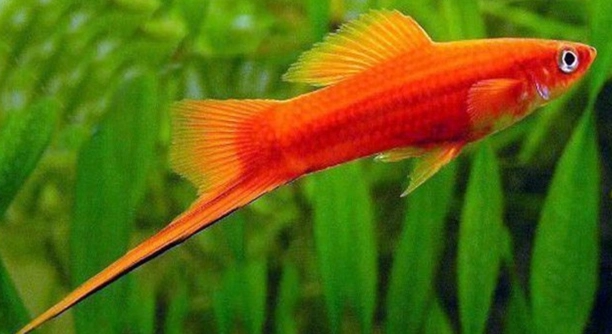
Swordtail fish are popular in home aquariums due to their vibrant colors and easygoing nature. However, many fishkeepers wonder whether these fish need a heater to stay healthy and comfortable in their environment.
Swordtail fish thrive in water temperatures between 72°F and 82°F (22°C – 28°C). In most homes, this range can be maintained with a heater, especially during cooler months, ensuring stable conditions for the fish and reducing stress.
By understanding the ideal water temperature for swordtails, you can make informed decisions about aquarium care and ensure the well-being of your fish.
The Importance of Stable Water Temperature for Swordtail Fish
Maintaining a stable water temperature is essential for swordtail fish. These fish are hardy, but they do best when the water remains within their preferred temperature range. Fluctuations can lead to stress, weakening their immune system, and making them more susceptible to illness. In aquariums, temperature fluctuations can occur due to changes in room temperature or exposure to drafts. Without a heater, keeping the water warm enough during colder months can be challenging, especially in regions with fluctuating seasonal temperatures. A reliable heater will prevent the water from getting too cold, ensuring that the fish are comfortable.
A heater provides a consistent temperature that swordtails need for optimal health. It eliminates the risk of sudden drops or spikes in temperature, which could harm the fish.
Without a heater, swordtails may exhibit signs of stress like reduced activity, faded colors, or a decrease in appetite. Consistency in temperature allows them to grow properly and breed without complications. The long-term benefits of using a heater outweigh any initial investment costs.
When to Use a Heater for Swordtail Fish
During colder months, using a heater becomes more crucial.
Swordtail fish thrive in warmer water, but they can handle slight variations in temperature. However, when the water drops below their preferred range, their immune systems become less effective, and they may fall ill. In areas where the room temperature fluctuates, a heater ensures that the aquarium water stays within the safe range. Using a heater is especially important in the winter months when indoor temperatures may not be sufficient to maintain warmth. You’ll notice that swordtails are more active and vibrant when they are kept at the ideal temperature.
If your aquarium is in a room that tends to get cooler, investing in a heater is a wise decision. It will provide consistent warmth, helping swordtails live healthier, longer lives. It also reduces the risk of diseases that may result from cold stress, which is a common issue for aquarium fish during winter.
Heater Types for Swordtail Fish Aquariums
There are different types of heaters available for swordtail fish tanks. Each type has its advantages depending on the size of your aquarium and your budget.
Submersible heaters are the most common. They are placed inside the tank, providing efficient heating while remaining hidden. These heaters are typically adjustable, allowing you to set the temperature precisely. You can also find fully submersible heaters, which can be completely submerged in water.
Another option is the hang-on-the-back (HOB) heater, which is placed on the edge of the tank. While they are easier to install, they might not distribute heat as evenly as submersible heaters. Both types can be reliable, but submersible heaters are generally the most popular due to their efficiency and ability to blend in with the aquarium’s setup.
Choosing the Right Heater for Your Tank Size
When choosing a heater for your swordtail fish, tank size matters.
For smaller aquariums under 20 gallons, a heater with a lower wattage (around 50 to 100 watts) is often sufficient. Larger tanks, on the other hand, require more powerful heaters. For tanks between 20 to 50 gallons, heaters in the 100 to 200-watt range are ideal. It’s crucial to select a heater that matches your tank’s size to ensure consistent temperature control. If the heater is too small, it won’t effectively warm the water, and if it’s too large, it could overheat the tank.
A properly sized heater will maintain a stable temperature and provide a comfortable environment for your swordtails. Always check the manufacturer’s recommendations for tank size to ensure you’re getting the right wattage.
Proper Heater Placement in the Tank
Heater placement plays a crucial role in maintaining a stable water temperature. It should be positioned where water can flow freely around it.
The best spot is near the filter or water pump, as this allows the heater to evenly distribute warm water throughout the tank. Avoid placing it near decorations or plants that may block the water flow.
Correct heater placement ensures that your swordtail fish are exposed to consistent warmth, which helps prevent any cold spots in the aquarium. This will keep them comfortable and reduce stress caused by temperature fluctuations.
Monitoring Water Temperature
Keeping track of the water temperature is essential for swordtail health.
A thermometer should be placed in the tank at a spot away from the heater to ensure an accurate reading. It helps monitor any sudden changes in temperature, which could harm the fish. Regular checks with a reliable thermometer will give you peace of mind.
Using a thermometer in conjunction with the heater’s built-in thermostat allows you to make adjustments if necessary.
FAQ
Do swordtail fish really need a heater?
Yes, swordtail fish thrive in a consistent temperature range. While they can tolerate slight fluctuations, maintaining a stable environment within 72°F to 82°F (22°C – 28°C) is essential for their health and well-being. A heater ensures that the water remains at the optimal temperature, especially during cooler months.
What happens if I don’t use a heater for my swordtail fish?
Without a heater, the water temperature may drop below the preferred range, which can lead to stress and weakened immune systems. Swordtails are more susceptible to diseases in colder water, and their growth and activity levels can also be negatively affected.
Can swordtail fish survive in room temperature water?
Swordtails can survive in room temperature water, but it’s not ideal. Room temperatures are often inconsistent and may fluctuate too much, especially in colder climates. In areas where temperatures drop at night or during winter, a heater is highly recommended to maintain a stable and warm environment.
How do I know what size heater to buy for my tank?
The size of the heater depends on your tank’s size. For a tank under 20 gallons, a 50 to 100-watt heater is usually sufficient. For larger tanks between 20 and 50 gallons, a 100 to 200-watt heater is appropriate. A general rule of thumb is 5 watts per gallon of water.
What type of heater is best for swordtail fish?
Submersible heaters are often the best option for swordtail fish. They can be fully submerged in the water, making them efficient and discreet. These heaters also offer precise temperature control and even heat distribution. Hang-on-the-back heaters can also work, but they tend to be less effective at evenly heating the tank.
How do I properly install a heater in my tank?
Place the heater in a location where water can circulate around it freely, typically near the filter or water pump. This ensures even distribution of warmth throughout the tank. Avoid placing the heater too close to decorations or plants that may obstruct water flow, as this can cause uneven heating.
How can I prevent my swordtail fish from getting stressed by temperature changes?
To prevent stress, always keep the water temperature within the ideal range of 72°F to 82°F (22°C – 28°C). Use a reliable heater and thermometer to maintain a consistent temperature. Avoid placing the tank in areas where it may be exposed to drafts or direct sunlight, as these can cause temperature fluctuations.
What is the ideal temperature for swordtail fish?
The ideal temperature for swordtail fish is between 72°F and 82°F (22°C – 28°C). Keeping the water within this range promotes healthy growth, vibrant colors, and successful breeding. Avoid temperatures above 85°F (29°C) as this can cause stress and potentially lead to health problems.
Can swordtail fish live in cold water?
Swordtail fish are not cold-water fish. They prefer warmer water and may suffer in temperatures below 68°F (20°C). Prolonged exposure to cold water can lead to stress, weakened immune systems, and increased susceptibility to disease. If you live in a cooler climate, a heater is necessary.
How often should I check the temperature in my tank?
Check the temperature daily, especially during seasonal changes. Sudden fluctuations in temperature can be harmful to your swordtail fish. Using a thermometer ensures that the water remains within the proper range, preventing any unexpected drops or spikes that could cause stress.
Should I use a heater with an automatic shut-off feature?
Yes, a heater with an automatic shut-off feature is recommended. This feature prevents the water from overheating in case the thermostat malfunctions, ensuring the safety of your fish. It helps maintain a stable environment and reduces the risk of overheating or boiling the water.
How do I know if my heater is working properly?
Check the water temperature regularly with a thermometer to ensure that the heater is maintaining the correct range. If the water temperature is consistently too high or too low, the heater may not be functioning properly. In such cases, you may need to adjust the heater or replace it.
Can a heater cause the water to overheat?
Yes, if the heater is set too high or malfunctions, it can cause the water to overheat. This is why using a heater with an adjustable thermostat is crucial. It allows you to set the desired temperature and prevents overheating, which could harm your swordtail fish.
How do I clean my heater?
Unplug the heater and remove it from the tank before cleaning. Use a soft cloth or sponge to gently wipe off any debris or algae. For a deeper clean, you can soak the heater in a vinegar solution for about 15 minutes to remove calcium buildup. Make sure the heater is dry before re-installing it.
What are the signs that the water is too cold for my swordtail fish?
If the water is too cold, your swordtail fish may become lethargic, lose their vibrant color, and stop eating. These are signs of stress, and you may notice them huddling in corners or near the heater. Regularly checking the water temperature will help prevent these issues.
Do swordtail fish need a heater in a tropical tank?
Yes, even in tropical tanks, swordtail fish benefit from a heater. While the surrounding environment may be warm, temperatures can still fluctuate within the tank. A heater ensures that the water remains stable, keeping swordtails comfortable and healthy.
Final Thoughts
When it comes to swordtail fish, maintaining a stable water temperature is crucial for their health and well-being. Swordtails are tropical fish that thrive in water temperatures ranging from 72°F to 82°F (22°C to 28°C). Without a proper heater, it can be difficult to keep the water at the ideal temperature, especially in cooler environments. While swordtails can survive in room temperature water, a heater ensures that the water remains at a consistent, optimal level, reducing the risk of stress and disease.
Choosing the right heater for your tank is essential. Submersible heaters are generally the best option for swordtail fish, as they are efficient, discreet, and easy to use. They provide consistent heating and are adjustable, allowing you to maintain the perfect temperature. It’s also important to place the heater in an area of the tank where water flows freely around it, ensuring even heat distribution. If you have a larger tank, you may need a more powerful heater to effectively maintain the water temperature.
Regular monitoring of the water temperature is key to preventing any sudden fluctuations that could harm your fish. Using a thermometer in conjunction with your heater allows you to track the temperature accurately. Additionally, heaters with automatic shut-off features offer added peace of mind, preventing overheating in case of a malfunction. By maintaining the right temperature, your swordtail fish will remain healthy, active, and vibrant. Taking these steps will ensure that your swordtails have a comfortable, stable environment to thrive in.

Hello,
If you enjoy the content that we create, please consider saying a "Thank You!" by leaving a tip.
Every little bit helps us continue crafting quality advice that supports the health, happiness, and well-being of pets around the world, for pets of all shapes, sizes, and species.
We really appreciate the kindness and support that you show us!