
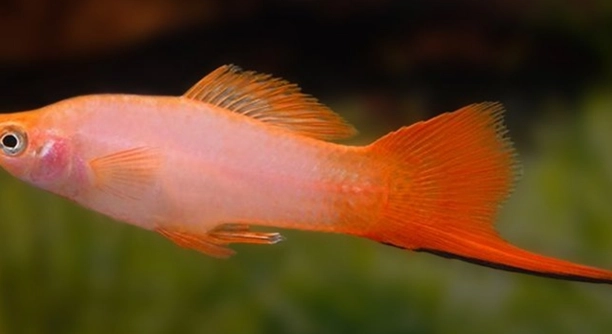
Swordtails are popular aquarium fish, known for their distinct appearance and active nature. If you’re curious about their behavior, understanding their sleep patterns can help ensure a healthy environment for them in your tank.
Swordtails do sleep, though their sleep patterns are different from mammals. They rest in a state of reduced activity, typically during the night, but can remain somewhat alert to their surroundings. This behavior is common in many fish species.
Understanding how swordtails sleep can improve your care routine and help you maintain a peaceful aquarium. Their resting habits reveal important insights into their health and well-being.
Swordtail Sleeping Habits
Swordtails are active during the day, but they still need rest. Unlike mammals, they don’t have a set sleep cycle. Instead, they enter a state of reduced activity, often around dusk or night. This rest time is important for their health. They might still move slightly and keep an eye on their surroundings, but it’s clear they are not as energetic. Keeping an eye on their resting habits can help you ensure they are healthy and not stressed.
While swordtails sleep, their environment plays a big role. A peaceful tank without too much disturbance will encourage them to rest better. You might notice them resting near plants or floating in the water. They prefer calm areas for their rest.
Swordtails’ sleep habits are crucial in creating a comfortable environment for them. In a tank, it’s important to replicate natural conditions as closely as possible. This means providing places to hide, dimming the lights at night, and reducing loud noises. When they sleep, they are more likely to recover from stress and stay healthy in the long run.
What Swordtails Look Like When Sleeping
Swordtails have unique sleeping positions. They usually hover in place, sometimes resting near the bottom of the tank.
Observing your swordtail’s sleeping behavior can give you important clues about its well-being. They may remain in place, showing very little movement. However, this is normal, and they will still respond to major changes in their environment. Swordtails often rest near plant life, using it for shelter and security.
Swordtail Sleep Cycle
Swordtails don’t have a traditional sleep cycle like humans. Instead, they rest during the night or in low-light conditions. During this time, they reduce their activity levels, but remain slightly alert to their surroundings.
Their sleep is more of a resting state, where they’re not fully inactive. You may notice them still moving slightly, even when they appear to be resting. This is perfectly normal for fish, and it’s a sign they feel safe in their environment. They will also occasionally swim around if disturbed, especially if there are changes in light or water conditions.
In a well-kept aquarium, swordtails are more likely to rest peacefully. When they sleep, it’s important not to disturb them, as constant movement or noise can stress them out. Swordtails are most comfortable when they feel secure and undisturbed, allowing them to get the rest they need.
Impact of Tank Conditions on Sleep
The conditions of the tank can have a significant effect on how well swordtails rest. Water temperature, lighting, and the presence of plants all play a role.
A calm tank, with proper water temperature, can help swordtails feel secure during their sleep. If the water is too warm or cold, it can interfere with their natural sleep patterns. Swordtails tend to rest best when the tank temperature is between 72 and 78°F.
Lighting is another key factor. Swordtails prefer dimmer lighting at night, mimicking their natural habitat. A light cycle that closely mirrors day and night can promote healthy sleep. Additionally, having plants or decorations in the tank provides hiding spots where they can rest more comfortably, reducing stress.
Swordtail Sleep Behavior
Swordtails rest by hovering or staying near the bottom of the tank. They are not fully motionless but rather in a relaxed, low-energy state.
This behavior is common for many fish species. Swordtails may also swim slowly, or remain in place, but are still alert to movement or changes in their environment. It’s important to ensure that their rest area is free from disturbances to promote healthier sleep.
Why Swordtails Rest at Night
Swordtails rest primarily at night, as they are naturally less active during these hours. However, their sleep is not like human deep sleep; they still maintain awareness of their surroundings.
In the wild, swordtails would rest during dark hours, avoiding predators and conserving energy for the daytime. In an aquarium, it’s best to replicate this by dimming the lights and reducing noise. The dark environment signals to swordtails that it’s time to rest and recuperate. It’s a good practice to ensure the tank follows a consistent day and night cycle.
Swordtail Resting Position
Swordtails typically rest near the tank’s bottom or in plants. They may stay motionless or hover in place, depending on the environment.
FAQ
Do swordtails sleep with their eyes closed?
Swordtails do not have eyelids, so they cannot close their eyes. Instead, they rest in a state of lowered activity where their behavior becomes less intense. Even though they appear less active, their eyes are still open, allowing them to stay alert to any potential threats.
Do swordtails need total darkness to sleep?
Swordtails don’t require total darkness, but they do prefer dim lighting at night. In the wild, they rest when it’s dark, so mimicking this in an aquarium helps them feel secure. Low light levels help swordtails distinguish between day and night, promoting their natural sleep cycle.
How do swordtails sleep in the wild?
In the wild, swordtails typically rest in plants, submerged structures, or areas with less current. They rest during darker hours, reducing their activity to conserve energy. Swordtails are not deep sleepers; they remain somewhat alert to their environment, keeping an eye out for any potential threats like predators.
How long do swordtails sleep?
Swordtails typically rest for several hours, usually at night, when their surroundings are quiet. On average, swordtails may sleep for about 8-12 hours, depending on their environment and lighting. Their sleep duration can vary based on tank conditions, such as water temperature and lighting cycles.
Do swordtails rest during the day?
While swordtails are generally active during the day, they may rest during certain periods, particularly when the environment is quieter. They may find a spot near plants or the bottom of the tank to hover and conserve energy, but they are still alert to any changes in their surroundings.
Can stress affect a swordtail’s sleep?
Yes, stress can disrupt a swordtail’s sleep patterns. Factors such as poor water quality, overcrowding, sudden changes in the environment, or aggressive tank mates can cause stress. When stressed, swordtails may have difficulty resting properly, leading to exhaustion and potentially affecting their overall health.
What tank conditions promote better sleep for swordtails?
Swordtails need a peaceful environment for restful sleep. Key factors include maintaining a stable water temperature between 72-78°F, offering places for hiding like plants or decorations, and ensuring proper water filtration. Additionally, a consistent day and night lighting cycle helps signal when it’s time to rest.
Do swordtails sleep on the tank floor?
Yes, swordtails often rest near the bottom of the tank. They may hover or settle on the substrate, especially in areas with plants or structures that provide cover. This behavior helps them feel secure and protected while resting, mimicking the natural hiding spots they would seek in the wild.
Can swordtails sleep while swimming?
Swordtails may sleep while swimming or hovering in place. Unlike some fish that completely rest on the tank floor, swordtails can remain somewhat active even during rest. They may swim slowly or maintain a stationary position, which is typical of their natural behavior when they sleep.
Should I avoid disturbing swordtails while they are sleeping?
It’s best to avoid disturbing swordtails while they are resting. Interrupting their sleep can cause stress and affect their health. If you need to perform maintenance or feed them, try to do so during their active hours to prevent disrupting their rest. Keeping the environment calm and quiet will help them stay comfortable.
How can I tell if my swordtail is sleeping?
You can tell if your swordtail is sleeping by its reduced activity. During rest, they may hover in place or stay near the tank’s bottom. Their movements will be slow or minimal, and they will generally be less responsive than during their active hours. However, they may still react to sudden disturbances.
Is it normal for swordtails to swim at night?
While swordtails tend to rest at night, it is normal for them to swim occasionally. They may swim around the tank if they are startled or if the conditions in their environment change. However, this behavior should not be frequent or vigorous at night, as it could indicate stress or discomfort.
Do swordtails sleep in groups or alone?
Swordtails are social fish, and while they may rest alone at times, they often sleep near other swordtails or tank mates. In the wild, they tend to form loose schools. In an aquarium, swordtails may rest in close proximity to each other, offering a sense of security.
Do swordtails sleep more when they are young?
Young swordtails may sleep more than adults as they are still growing and developing. Their bodies require more rest to recover from the energy they use throughout the day. However, as they mature, swordtails will become more active and may sleep for shorter periods, especially during daylight hours.
Can I adjust the light cycle to help swordtails sleep better?
Yes, adjusting the light cycle can help swordtails sleep better. Swordtails require a consistent light schedule to mimic natural day and night cycles. Providing 10-12 hours of light during the day, followed by darkness at night, can encourage them to rest properly. It’s important to avoid sudden changes in lighting, as this can disturb their sleep patterns.
How do I create a peaceful environment for swordtails to sleep?
To create a peaceful environment for swordtails, provide hiding spots like plants or decorations, maintain stable water conditions, and ensure appropriate lighting. Avoid loud noises or sudden movements near the tank. Keeping the tank clean and free from excess waste also reduces stress, encouraging better rest for swordtails.
Final Thoughts
Swordtails, like many other fish, do need rest to maintain their health. While they don’t sleep in the same way humans do, they enter a state of lower activity, usually at night, when the environment is calm and dark. Their sleep cycle is closely tied to the lighting and conditions in their aquarium, and they rely on a stable, peaceful environment to rest properly. By keeping the tank clean, maintaining consistent water temperature, and offering hiding spots, you can help swordtails get the rest they need.
Stress can significantly affect the sleep patterns of swordtails. If their environment is too noisy, the water quality is poor, or they are in close quarters with aggressive tank mates, it may lead to disrupted sleep or even health problems. It’s important to provide swordtails with a calm, stress-free environment where they can feel safe. This not only supports better sleep but also ensures that they are more active during their waking hours. A well-maintained tank with appropriate lighting and water quality is essential for their overall well-being.
Swordtails are social creatures, and while they do need their rest, they should not be isolated for long periods. Providing a peaceful, stable environment for sleep and socializing opportunities during active hours helps swordtails thrive in their aquarium. Understanding their sleep needs can ensure that they remain healthy and happy, both in the tank and in the wild. Regular tank maintenance and observing your swordtail’s behavior are key to keeping them in good health, allowing them to rest properly and be active when needed.

Hello,
If you enjoy the content that we create, please consider saying a "Thank You!" by leaving a tip.
Every little bit helps us continue crafting quality advice that supports the health, happiness, and well-being of pets around the world, for pets of all shapes, sizes, and species.
We really appreciate the kindness and support that you show us!