
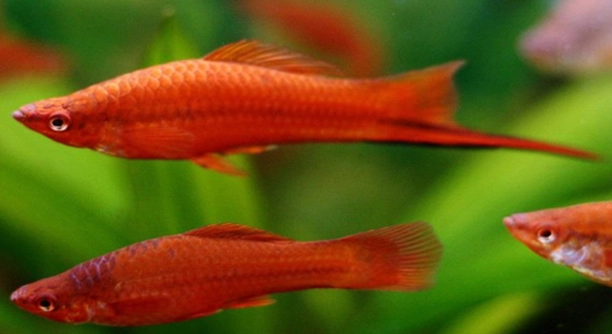
Swordtails are active fish that often engage in chasing behavior, which may leave you wondering about the reasons behind this. Understanding their actions can help you create a better environment for these lively creatures. Let’s explore why this happens.
Swordtails chase each other mainly due to territorial disputes, mating behavior, or competition for resources. Male swordtails often chase each other to establish dominance, while females may chase or be chased during courtship. This behavior is natural and common.
This article will help you better understand your swordtails’ behavior and provide you with helpful tips on managing their interactions.
Why Swordtails Chase Each Other
Swordtails are naturally active, curious fish that often exhibit chasing behavior. This can happen for several reasons, including territorial disputes, mating rituals, and food competition. Chasing is a common part of their daily activities and shouldn’t be a cause for concern unless it becomes excessive. Males typically chase each other to establish dominance, and this can sometimes lead to aggressive behavior, especially when they are vying for the attention of a female. The chasing also intensifies when the fish feel crowded or stressed.
Understanding swordtail behavior helps in managing their interactions. While chasing is often normal, it can also indicate underlying issues such as limited space or an imbalance in male-to-female ratios. The more swordtails you have, the better their social dynamics can balance out, reducing aggression.
A well-maintained tank with plenty of hiding spots can minimize stress and decrease unnecessary chasing. Ensuring your swordtails are in a suitable environment can make a big difference in their behavior.
Mating Rituals and Courtship
Mating behavior is another reason swordtails chase each other. Male swordtails actively pursue females during the breeding season, with chasing being part of the courtship ritual. The males display their swords—elongated tails—hoping to attract a female’s attention.
This chasing can often escalate when the males are competing for the same female. While this behavior is natural, it’s important to monitor for signs of stress or injury, especially if the chasing becomes aggressive. Proper tank conditions, including sufficient space and hiding spots, can reduce any unnecessary tension during mating.
Keeping a good ratio of males to females can also help minimize overzealous chasing. Too many males in a tank can lead to persistent chasing, which may cause stress for the females and disrupt the natural social order of the tank.
Territorial Behavior and Stress Factors
Another common reason for swordtail chasing is territorial behavior. Swordtails, like many fish, are territorial creatures and may chase others to defend their space. This typically happens when they feel their territory is being encroached upon. Male swordtails, especially, may aggressively defend their territories from other males.
Space in the tank plays a crucial role in minimizing this behavior. If swordtails feel crowded, the likelihood of chasing increases as they try to assert dominance. Providing plants, rocks, or decorations can help break up territories, allowing swordtails to claim their own space without the constant need to chase others. Additionally, swordtails tend to be more relaxed when they are not competing for food, so ensuring there’s enough for everyone will help reduce stress.
Understanding these triggers and adjusting their environment accordingly will lead to a more peaceful tank for your swordtails. By creating a balanced space, you encourage natural behavior without excessive chasing.
Male-to-Female Ratio
An imbalanced male-to-female ratio is another reason why swordtails chase each other. If there are more males than females in the tank, the competition for mating opportunities increases. This often leads to excessive chasing as males vie for the attention of the females.
To avoid this, it’s best to maintain a healthy balance. Ideally, there should be at least two females for every male. This reduces the amount of chasing and ensures that no single female is overwhelmed by constant attention. A better male-to-female ratio leads to a calmer tank environment and healthier fish.
A proper ratio also helps prevent males from becoming overly aggressive. If males have to compete less, their behavior becomes more natural, and the females experience less stress. This balance makes the tank more harmonious and enjoyable to watch. By maintaining the correct ratio, you can create a stress-free environment for all your swordtails.
Tank Size and Space
The size of the tank plays a significant role in reducing chasing. Swordtails need ample space to swim freely, and a cramped environment can cause stress, which leads to more chasing. A tank that’s too small doesn’t allow swordtails to establish their own territories, increasing aggressive interactions.
Larger tanks provide plenty of room for swordtails to swim and explore, which helps minimize conflicts. A 20-gallon tank is usually the minimum size recommended for swordtails. If you’re keeping multiple swordtails, a larger tank allows them to spread out and reduces territorial behavior. Adding plants, rocks, and decorations provides even more hiding spots.
Tank size, combined with appropriate decor, gives swordtails the space they need to behave naturally. Providing a proper habitat where swordtails have room to swim and find shelter keeps them healthy and prevents excessive chasing, making for a more peaceful aquarium.
Feeding Behavior
Swordtails may also chase each other due to competition for food. If food is scarce or if multiple swordtails are competing for the same spot, chasing can become more common. Swordtails are opportunistic feeders, and they can get quite aggressive when trying to secure a meal.
To minimize this, ensure you’re feeding your swordtails enough food and that it’s evenly distributed in the tank. Offering food at different spots will help reduce competition and encourage more peaceful eating. This also ensures that each swordtail gets enough to eat, preventing any unnecessary chasing over food.
Tank Mates
The presence of other species in the tank can also lead to chasing behavior. Swordtails may chase or be chased by other fish, especially if they feel threatened or if another species is encroaching on their space. The temperament of tank mates plays a big role in how swordtails behave.
Choose tank mates that are peaceful and won’t stress your swordtails. Aggressive or territorial fish may trigger chasing behaviors in swordtails. In a tank with compatible species, swordtails tend to be more relaxed and less likely to engage in excessive chasing, ensuring harmony in the tank.
Stress and Overcrowding
Swordtails can also chase each other due to stress caused by overcrowding or poor water quality. A crowded tank can lead to aggressive behavior as swordtails try to establish dominance or claim territory. Additionally, poor water quality can make swordtails more prone to stress.
Maintaining good water quality and ensuring your tank isn’t overcrowded is crucial for the health and well-being of your swordtails. Regular water changes and the use of a filtration system will help keep the environment stable. Reducing stress will minimize chasing and help swordtails live a healthier, more comfortable life.
FAQ
Why do my swordtails chase each other all the time?
Swordtails often chase each other as part of their natural behavior. This can happen due to territorial disputes, mating rituals, or competition for food. Males, in particular, chase each other to establish dominance and gain the attention of females. It’s common to see this behavior when they are trying to impress a female or defending their territory. If the chasing becomes aggressive or excessive, it may indicate stress from overcrowding, poor water quality, or an imbalance in the male-to-female ratio.
How can I reduce excessive chasing in my swordtail tank?
To reduce excessive chasing, consider improving the tank environment. Start by ensuring that there is enough space for all the fish. A tank that is too small can lead to overcrowding and increase stress, leading to more chasing. Adding plants, rocks, and decorations will help create hiding spots and break up territories. Additionally, maintaining a proper male-to-female ratio (at least two females for every male) can reduce competition. Regular water changes and good filtration are also key in maintaining a healthy environment where swordtails feel less stressed.
Should I be worried if my swordtails are chasing each other?
Not necessarily. Chasing is a natural behavior for swordtails, especially when they are asserting dominance or engaging in mating behavior. However, if the chasing becomes constant or aggressive, it might indicate that your fish are stressed or uncomfortable. Stress can be caused by overcrowding, poor water conditions, or an imbalance in tank dynamics. Keep an eye on their behavior and look for signs of injury or excessive stress. If things seem out of hand, consider adjusting the tank setup or water quality to improve their well-being.
Can I keep more swordtails in a tank to reduce chasing?
While it may seem logical to add more swordtails to dilute the chasing, doing so can actually make things worse in a smaller tank. Swordtails need space to thrive, and adding too many can create more competition for territory and food. Instead, focus on providing a larger tank with plenty of hiding spots. A 20-gallon tank is generally recommended for swordtails, but bigger is always better. Keeping a balanced male-to-female ratio and ensuring proper water quality will also help reduce chasing and keep the environment stable.
How do I know if my swordtails are stressed from chasing?
Swordtails can show signs of stress in several ways. If chasing is causing stress, you might notice that the affected fish are hiding more than usual, not eating as much, or displaying unusual swimming patterns like darting or erratic movements. Stress can also cause physical symptoms such as faded colors, rapid gill movement, or fin damage. If you observe these signs, it’s important to address the stressors in their environment. Reducing overcrowding, improving tank conditions, and ensuring they have plenty of space to swim can help relieve stress.
Is it normal for swordtails to chase the females?
Yes, it is completely normal for males to chase females. During breeding season, male swordtails often chase females as part of their courtship behavior. The males try to impress the females by displaying their elongated tail fin, known as the sword. The chasing is a way for the males to compete for the female’s attention. However, if this behavior becomes too aggressive or if the females seem stressed, it may indicate an imbalance in the male-to-female ratio or environmental stressors. Ensuring a good balance and providing plenty of space can help reduce any unwanted aggression.
Can swordtails be kept with other fish if they chase each other?
Swordtails can coexist with many other species, but you should be cautious about the types of fish you add to the tank. Some species may trigger more chasing, especially if they are aggressive or territorial. Peaceful tank mates like guppies, mollies, and other non-aggressive fish can be suitable companions. Avoid species that are known for aggressive behaviors, as they could stress your swordtails and encourage more chasing. It’s important to ensure that all fish in the tank are compatible and that there’s enough space for everyone to thrive.
How does the water quality affect chasing behavior in swordtails?
Water quality plays a significant role in swordtail behavior. Poor water conditions, including high levels of ammonia or nitrites, can stress swordtails and make them more prone to chasing. When swordtails are uncomfortable or stressed due to poor water quality, they may become more aggressive or territorial. Regular water changes, good filtration, and proper tank maintenance are essential to ensuring swordtails remain healthy and happy. A stable and clean environment will reduce stress and minimize chasing behavior.
Do swordtails need a lot of hiding spots to prevent chasing?
Yes, providing plenty of hiding spots in the tank can help reduce chasing behavior. Swordtails, like many fish, feel safer when they have areas to retreat to. Plants, rocks, and decorations can offer shelter and create territories where swordtails can avoid conflict. When fish feel threatened or stressed, they can hide in these areas to escape chasing. This can also help reduce the overall aggression in the tank by giving swordtails the option to separate themselves from others when needed.
What should I do if one swordtail is constantly chasing another?
If one swordtail is persistently chasing another, it’s important to assess the tank’s conditions. Ensure that the fish aren’t overcrowded and that there is enough space for everyone. Check the male-to-female ratio, as an imbalance may cause one male to become overly aggressive. Adding more females or reducing the number of males could help balance the aggression. Additionally, ensure the water quality is optimal, and consider adding more hiding spots or decorations to break up territories. If the chasing continues despite these changes, you might need to separate the fish temporarily to allow them to calm down.
Final Thoughts
Chasing among swordtails is a natural behavior, often driven by competition for food, territory, or mating opportunities. It’s important to recognize that this behavior is not always a sign of aggression but rather part of their instinctive actions. Swordtails, especially males, will often chase each other as a way to establish dominance or attract females. While this can be normal, it’s essential to observe the intensity and frequency of the behavior. If the chasing becomes excessive or seems to cause stress to the fish, it’s time to assess the environment.
One of the most effective ways to reduce chasing behavior is by ensuring the tank is appropriately sized. Swordtails need ample space to swim freely and establish their own territories. Overcrowding is a common cause of aggression, as fish become more competitive when space is limited. A tank that’s too small can create a stressful environment, leading to more frequent chasing. Additionally, maintaining a balanced male-to-female ratio can help prevent males from constantly vying for the attention of females. Offering hiding spots and decorations will also provide fish with safe places to retreat when needed, further reducing conflict.
Finally, maintaining good water quality is key to preventing unnecessary stress. Poor water conditions can make swordtails more aggressive and prone to chasing. Regular water changes, proper filtration, and monitoring water parameters will ensure a healthy and stable environment. When swordtails feel secure in their habitat, they are less likely to display excessive chasing. By keeping the tank well-maintained, providing ample space, and ensuring a balanced social structure, you can minimize chasing behavior and create a more peaceful environment for your swordtails to thrive.

Hello,
If you enjoy the content that we create, please consider saying a "Thank You!" by leaving a tip.
Every little bit helps us continue crafting quality advice that supports the health, happiness, and well-being of pets around the world, for pets of all shapes, sizes, and species.
We really appreciate the kindness and support that you show us!