
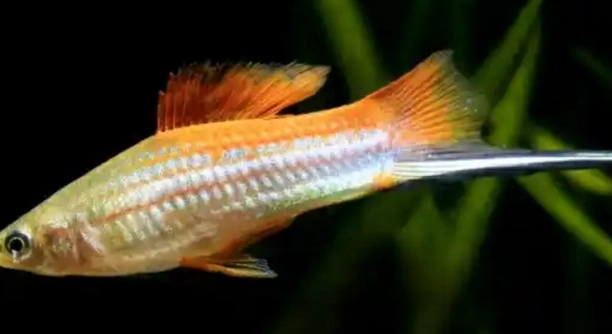
If you’ve noticed your swordtail gasping at the top of the tank, it’s essential to understand what could be causing this behavior. Swordtails are active swimmers and typically stay near the middle or bottom of the tank.
The most common reason for swordtails gasping at the surface is a lack of oxygen in the water. This can be caused by poor water circulation, high water temperature, or an excess of waste. Proper filtration and aeration can help prevent this issue.
Taking steps to improve water quality and oxygen levels can help your swordtail return to normal behavior. Let’s explore how to address this issue effectively.
Common Causes for Swordtails Gasping at the Top
Swordtails may gasp at the surface for several reasons, but one of the most common is poor water quality. When there’s not enough oxygen in the water, fish instinctively swim to the top to get a breath. This issue can arise from several factors, such as inadequate filtration, overfeeding, or dirty water. Poor water circulation can also limit oxygen distribution, causing fish to seek the surface.
If you notice your swordtail gasping frequently, it’s important to address the water conditions right away. First, test the water to ensure the pH, ammonia, nitrites, and nitrates are at safe levels. Regular water changes and proper filtration can significantly improve water quality. You should also check the water temperature; swordtails thrive in water that’s not too warm, as high temperatures reduce oxygen levels.
Adding an air pump or adjusting your filter’s flow rate can further improve oxygen levels. By maintaining proper water conditions, your swordtail will have a healthier environment and feel more comfortable.
Water Temperature and Oxygen Levels
Water temperature plays a significant role in oxygen levels. When the water gets too warm, oxygen can become scarce, and fish may start gasping.
Maintaining a stable water temperature is essential to keep your swordtail comfortable. Swordtails typically do well in water that ranges from 72°F to 79°F (22°C to 26°C). Keeping the water cooler helps ensure that oxygen stays at adequate levels for your fish. If the water gets too hot, consider adjusting your aquarium heater or adding a fan to help cool the water down.
Poor Water Filtration
A weak filtration system can lead to debris, waste, and excess nutrients building up in the water, lowering oxygen levels. Inadequate filtration makes it harder for your swordtail to breathe comfortably, leading them to gasp for air at the surface.
If the filter isn’t working properly, clean or replace it. Make sure the filter is the right size for your tank to ensure effective water circulation. When selecting a filter, consider one that provides both mechanical and biological filtration to remove particles and harmful toxins. Additionally, regular maintenance of the filter, including cleaning and replacing cartridges, is crucial for optimal performance.
When the water is properly filtered, your swordtail will have a cleaner, healthier environment with better oxygen distribution. Keeping the filtration system in top condition also reduces the likelihood of ammonia or nitrite spikes, which can further stress your fish and impact their breathing.
Overfeeding and Uneaten Food
Overfeeding is another common cause of poor water quality and oxygen depletion. Uneaten food will decompose and release waste into the water, reducing oxygen and polluting the tank.
To prevent this, feed your swordtail small portions that they can consume within a few minutes. Avoid leaving excess food in the tank, as it will break down and create ammonia. Regular water changes will help remove any remaining food particles and keep the water cleaner. Additionally, using a feeding ring can help contain the food in one area, preventing it from sinking to the bottom and decaying. Keeping track of feeding habits will help you maintain a balanced environment.
By adjusting feeding habits and ensuring all food is consumed, your swordtail’s water quality will improve, making breathing easier and reducing the need to gasp for air at the surface.
Ammonia and Nitrite Spikes
Ammonia and nitrite are toxic to fish, and high levels can make it difficult for swordtails to breathe. These chemicals build up from waste, uneaten food, and decaying plant matter. Regular testing will help you spot dangerous levels early.
High ammonia or nitrite levels can irritate your swordtail’s gills, making it harder for them to get enough oxygen. If levels are too high, perform a partial water change immediately and check your filtration system to ensure it’s working properly. Adding beneficial bacteria can help break down ammonia and nitrite.
Oxygen-Rich Water
Increasing oxygen in the water helps your swordtail breathe easier and reduces surface gasping. You can achieve this by adding an air pump, upgrading your filter, or placing the tank near a source of moving air.
An air stone or a sponge filter can add more oxygen by creating surface agitation. Oxygen-rich water helps with gas exchange at the surface and ensures that your swordtail has the oxygen it needs. Also, adjusting water flow can prevent stagnant areas where oxygen is low, ensuring a consistent supply throughout the tank.
Water pH Imbalance
A sudden shift in pH levels can cause stress for your swordtail, affecting its ability to breathe properly. If the pH is too high or too low, it disrupts the fish’s gill function.
FAQ
Why is my swordtail staying at the top of the tank?
Swordtails naturally swim at various levels, but if they’re staying near the top, it’s often a sign of oxygen deficiency or poor water quality. If your fish is gasping for air, it could be a result of insufficient oxygen in the water. This can happen due to improper filtration, a lack of water movement, or even high water temperatures. Check the water parameters and improve aeration to help your fish return to normal behavior.
Can I fix oxygen levels with a water change?
Yes, a partial water change can help improve oxygen levels. When you replace some of the water, it reduces the buildup of toxins like ammonia and nitrites, which can further decrease oxygen availability. Make sure the water temperature is similar to avoid shocking your swordtail, and remember that aeration devices like air stones or additional filters can further boost oxygen levels.
How can I tell if my swordtail is stressed?
Stress in swordtails can show through erratic swimming patterns, loss of color, or lack of appetite. If your swordtail is gasping at the surface, it’s likely stressed due to poor water conditions, oxygen deprivation, or illness. It’s crucial to address the root cause of stress, like improving water quality or adjusting the tank’s temperature.
What’s the ideal temperature for my swordtail tank?
Swordtails thrive in temperatures between 72°F and 79°F (22°C to 26°C). If the water is too warm, oxygen levels can drop, which can lead to gasping at the surface. Use an aquarium thermometer to maintain a stable temperature, and adjust your heater as needed to avoid overheating.
How often should I test my tank’s water?
It’s a good idea to test your water at least once a week, especially if you’re noticing issues like gasping or unusual behavior. Regular testing ensures that ammonia, nitrites, and nitrates stay within safe limits. If you’re troubleshooting gasping, consider testing more frequently until the problem is resolved.
Can overfeeding cause my swordtail to gasp?
Yes, overfeeding can lead to excess waste and uneaten food in the tank, which in turn lowers oxygen levels. Leftover food decomposes and creates ammonia, further polluting the water. Feed small portions your swordtail can eat in a few minutes, and remove any uneaten food after feeding.
Do swordtails need a filter?
Yes, swordtails benefit from a properly working filtration system. A filter helps maintain clean water by removing debris, waste, and harmful toxins. Without a filter, toxins like ammonia and nitrite can build up, which could contribute to gasping and other health issues. Ensure your filter is the appropriate size for your tank.
Why does my swordtail gasp at the surface even with a filter?
If your swordtail continues to gasp despite having a filter, it may indicate that the filter isn’t working properly, or the water isn’t oxygenated enough. Check the filter for blockages or low flow and ensure it’s the correct size for your tank. Adding an air pump or increasing surface agitation can also help raise oxygen levels.
Is it okay for my swordtail to swim at the top of the tank sometimes?
Occasional swimming at the top is normal, especially if your swordtail is hunting for food. However, frequent surface gasping can indicate problems with oxygen levels or water quality. If you notice your swordtail staying at the top consistently, it’s essential to check the water conditions and improve them if necessary.
Should I add an air pump to my tank?
Adding an air pump can significantly help increase oxygen levels in your tank, especially if you notice your swordtail gasping at the surface. Air pumps create bubbles that increase surface agitation, promoting gas exchange and ensuring a more oxygen-rich environment. This can be especially useful in tanks with low water movement or large numbers of fish.
Can I use a sponge filter instead of a regular filter?
Sponge filters can work well in smaller tanks or when you want a gentle filtration option. They provide mechanical filtration by trapping debris and biological filtration by promoting the growth of beneficial bacteria. However, sponge filters might not be powerful enough for larger tanks or heavily stocked aquariums. Ensure that the filter type suits your tank size and needs.
How can I improve water circulation in my tank?
You can improve water circulation by adjusting the flow rate of your filter or adding a water pump. Having good water movement helps distribute oxygen throughout the tank, reducing areas of stagnant water. Swordtails like moderate water flow, so ensure the current isn’t too strong to stress them.
What water parameters should I monitor for swordtails?
For healthy swordtails, monitor pH, ammonia, nitrite, and nitrate levels. The ideal pH range is 7.0 to 8.0. Ammonia and nitrite levels should always be zero, and nitrates should be below 20-30 ppm. Testing regularly will help you keep the water conditions in check and avoid issues like gasping at the surface.
How can I prevent my swordtail from getting sick?
To prevent illness in your swordtail, maintain a clean, well-filtered tank with stable water conditions. Regular water changes, good feeding practices, and monitoring water quality will keep your fish healthy. Quarantining new fish before introducing them to your tank can also prevent the spread of disease.
Why does my swordtail swim near the top and not eat?
A swordtail that swims near the top and refuses to eat could be stressed or unwell. Stress can be caused by poor water quality, sudden changes in tank conditions, or tankmates. Ensure the water parameters are optimal, and consider separating any aggressive tankmates. If the behavior persists, a visit to an aquarium professional or vet may be necessary.
Final Thoughts
Gasping at the surface can be a sign that something is off with your swordtail’s environment. It’s important to pay attention to any changes in behavior, as they can provide clues about water quality or other stress factors. Swordtails are fairly hardy, but even small changes in their surroundings can cause discomfort, which might lead to gasping or abnormal behavior. By keeping a close eye on their health and taking steps to address any issues, you can help ensure your swordtail remains healthy and happy.
Maintaining a healthy tank is crucial for swordtails to thrive. Regular water testing, good filtration, and proper aeration are some of the most effective ways to prevent oxygen issues. These small, consistent efforts can make a big difference in your swordtail’s well-being. If you’re seeing your swordtail at the surface often, try improving water flow, checking water parameters, and making sure your fish aren’t stressed by their tankmates or environment. A small problem can quickly become bigger if not addressed, so it’s best to act sooner rather than later.
In most cases, gasping at the surface is fixable once you identify the underlying cause. Whether it’s low oxygen levels, poor water quality, or something else, taking immediate action is key. While it can be stressful to see your swordtail acting differently, rest assured that with the right care, they’ll often recover quickly. Keep the tank conditions stable, avoid overfeeding, and ensure your fish have a balanced environment to thrive in. This proactive approach can prevent future issues and create a better, healthier home for your swordtail.

Hello,
If you enjoy the content that we create, please consider saying a "Thank You!" by leaving a tip.
Every little bit helps us continue crafting quality advice that supports the health, happiness, and well-being of pets around the world, for pets of all shapes, sizes, and species.
We really appreciate the kindness and support that you show us!