
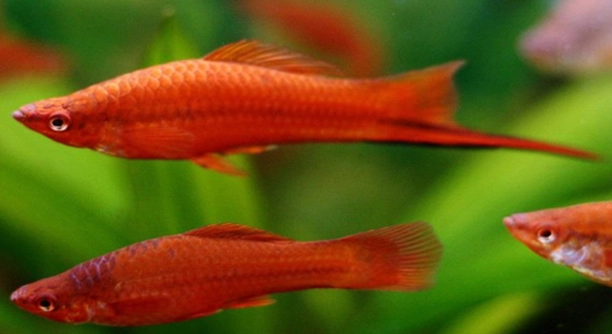
Swordtails are popular aquarium fish, known for their colorful tails and lively personalities. Proper feeding is crucial to their health, and it can sometimes be tricky to know how often to feed them. Let’s explore the best approach.
Swordtails should be fed once or twice a day, offering them small amounts of food. Overfeeding can lead to water quality issues, while underfeeding can result in malnourishment. It’s important to maintain a consistent feeding routine for their well-being.
Balancing their meals ensures your swordtails stay healthy and active, providing them with the energy they need for optimal growth and vibrant colors.
How Often Should You Feed Swordtails?
Swordtails are relatively easy to care for when it comes to feeding. It’s important to remember that they have small stomachs, so portion control is key. Overfeeding can lead to poor water quality, which could affect the health of your fish and the entire tank environment. Aim to feed them small amounts of food that they can consume within 2-3 minutes, once or twice a day. Adjust their portions based on the water quality and their overall health. Monitoring the amount of leftover food is essential for keeping your aquarium clean and ensuring your swordtails receive the proper nutrition.
For swordtails, maintaining a healthy feeding schedule is just as important as the food you offer them. Their nutritional needs are best met with a balanced diet of high-quality flakes, pellets, or frozen foods. Supplement their diet with occasional live or frozen foods, such as brine shrimp or daphnia, for variety.
Keep in mind that swordtails, like all fish, can be sensitive to changes in their environment. Feeding them at consistent times each day helps establish a routine, reducing stress and promoting their overall well-being. A steady feeding schedule helps ensure that your swordtails thrive in their aquarium.
Why Overfeeding Is Harmful to Swordtails
Feeding swordtails too much can lead to serious consequences for both your fish and the aquarium. Excess food left in the tank can cause the water quality to deteriorate quickly. As the food decays, it releases harmful toxins that can harm your fish and other tank inhabitants.
Overfeeding also contributes to poor water conditions, leading to algae blooms and increased levels of ammonia and nitrites. This can stress your swordtails, making them more susceptible to illness. It’s best to feed them small portions that they can finish in a few minutes to avoid excess food in the tank. Keeping the aquarium water clean and clear should always be a top priority.
Types of Food to Feed Your Swordtails
Swordtails benefit from a varied diet that meets their nutritional needs. Offer them high-quality flakes or pellets specifically designed for freshwater fish. These foods are rich in essential vitamins and minerals, which are important for their growth and overall health.
Occasionally, supplement their diet with live or frozen foods such as brine shrimp, daphnia, or bloodworms. These protein-rich options help boost their immune system and provide a more natural feeding experience. Avoid feeding them too much live food, as it can unbalance their diet. Stick to feeding live food a few times a week to maintain variety without overdoing it.
A balanced diet that combines both dry and live foods will help your swordtails maintain vibrant colors and good health. It’s also important to avoid feeding them large portions of protein-rich foods regularly, as it can lead to obesity. Always observe your fish’s behavior and adjust their food accordingly.
Water Quality and Feeding
Swordtails rely on good water quality to thrive, and their feeding habits play a significant role in maintaining that. Leftover food can quickly contaminate the water, raising levels of harmful substances like ammonia and nitrites. These contaminants can stress your fish and lead to health issues.
When you feed swordtails, avoid putting too much food in the tank. Remove any uneaten food within a few minutes to prevent it from affecting the water quality. Regular water changes are also essential to ensure that harmful toxins don’t build up. Swordtails, like many fish, will thrive in a stable and clean environment, which is only possible with proper feeding and water management. Keeping the water quality optimal will reduce stress and help them grow to their full potential.
Feeding Frequency for Swordtails
Swordtails should be fed once or twice a day, depending on their activity level and tank conditions. It’s important to adjust the frequency based on their growth and the overall health of the aquarium.
For adults, feeding once a day is usually sufficient. However, if your swordtails are growing or are particularly active, feeding them twice a day can help maintain their energy levels. Just be sure not to overfeed.
Signs of Overfeeding
Overfeeding can lead to a variety of issues. Swordtails may become sluggish, and their water quality can deteriorate quickly.
If you notice leftover food accumulating at the bottom of the tank or see the fish becoming less active, it’s likely that you’re feeding them too much. Adjust the amount accordingly.
Proper Portion Sizes
The right portion size for swordtails is small and manageable. Offer only what they can eat within 2-3 minutes.
This helps avoid food waste and prevents water contamination. You may need to adjust the amount based on their size and appetite, but always ensure the portion is suitable for their stomach size.
FAQ
How much should I feed my swordtail fish?
You should feed your swordtails small portions that they can finish within 2-3 minutes. This helps prevent excess food from polluting the tank. The amount can vary based on their size and activity level. It’s better to start with smaller amounts and adjust as needed.
Can I feed my swordtails just flakes?
Yes, high-quality flakes can be the primary food for your swordtails. Look for flakes that are designed for freshwater fish, as these will provide the necessary nutrients. However, supplementing with live or frozen food occasionally can improve their diet and overall health.
How often should I feed swordtail fry?
Fry need to be fed more frequently than adults, typically 3-4 times a day. They have smaller stomachs and higher energy needs. Feed them specially formulated fry food or finely crushed flakes until they are large enough to eat adult food.
What happens if I overfeed swordtails?
Overfeeding can lead to poor water quality and stress for your swordtails. Uneaten food will break down, releasing toxins into the water that can harm your fish. It also leads to obesity in swordtails, making them less active and potentially shortening their lifespan.
Can swordtails eat vegetables?
Swordtails are omnivores, and while their primary diet should be protein-based, they can benefit from occasional vegetable offerings. Blanched spinach, zucchini, or peas can be fed in small amounts. Vegetables can aid digestion and add variety to their diet.
How do I know if my swordtail is getting enough food?
Your swordtail should appear active, with a healthy appetite and vibrant coloration. If they seem lethargic, their fins are clamped, or they are constantly scavenging for food, they might not be getting enough. Regularly check their behavior and adjust portions accordingly.
Can I feed my swordtails live food?
Yes, swordtails can benefit from live food like brine shrimp, daphnia, and bloodworms. Live food is great for providing natural nutrients and stimulating hunting instincts. Feed live food in moderation to avoid overfeeding and maintain a balanced diet.
How do I prevent my swordtails from overfeeding?
Use a feeding schedule and stick to it. Only feed them what they can finish in 2-3 minutes. Keep an eye on how much food is left uneaten after feeding, and remove any excess. Consistency in their feeding routine will help avoid overfeeding.
Is it safe to feed swordtails frozen food?
Frozen food is safe for swordtails as long as it is properly thawed before feeding. Frozen brine shrimp, daphnia, and bloodworms are excellent choices. Just ensure that the frozen food is from a reputable source to avoid contamination.
Should I feed my swordtails different types of food?
Variety is key for swordtails. While flakes or pellets are essential, offering a range of food types—like frozen food, live food, and vegetables—will ensure a well-rounded diet. This variety helps with their growth and keeps them healthy.
How do I know if I’m feeding my swordtail too much?
If you notice excess food accumulating in the tank or your swordtails seem sluggish or bloated, you may be overfeeding. Monitor their behavior and the condition of the tank to ensure that you’re not feeding more than they can consume. Reduce portions if necessary.
Can swordtails eat pellets instead of flakes?
Yes, swordtails can eat pellets. Choose high-quality pellets specifically formulated for freshwater fish. Pellets provide concentrated nutrition and are often more nutritionally balanced than flakes. Just make sure the pellet size matches the size of your swordtails.
What is the best food for swordtails to help them grow?
For optimal growth, swordtails need a diet rich in protein, vitamins, and minerals. A combination of high-quality flakes, occasional live food, and frozen food will provide them with the necessary nutrients for healthy growth. Ensure that the food is finely sized to match their mouth size.
Should I feed swordtails different food for breeding?
Breeding swordtails need a nutrient-rich diet to support reproduction. Offer live foods like brine shrimp and bloodworms to boost protein intake. This helps improve the health and vitality of both the males and females. You can also add more vegetables to maintain a balanced diet.
Can swordtails go without food for a day?
Swordtails can survive without food for a day or two, but it’s not ideal. They should be fed regularly to maintain their energy levels and keep their metabolism healthy. If you’re going on vacation or need to skip a day, ensure the tank is clean and well-maintained to avoid stress.
What’s the best time of day to feed swordtails?
Swordtails do best when fed during the day, preferably at the same time each day. This helps establish a routine and reduces stress. Feeding in the morning or early afternoon is ideal, as it gives them time to digest before the tank lights go off.
Can swordtails eat the same food as other fish?
Swordtails can share food with other fish, as long as the food is suitable for both species. Ensure that the food is appropriate for the tank’s different inhabitants. Some fish may need specialized food, so it’s essential to monitor their health and adjust accordingly.
Should I feed my swordtails at night?
Feeding at night is not recommended for swordtails. Swordtails are diurnal, meaning they are more active during the day. Feeding them at night can lead to leftover food, which can cause water contamination. Stick to daytime feeding for healthier fish and better tank maintenance.
Final Thoughts
Feeding swordtails is a relatively simple process, but it requires attention to detail. By feeding them appropriate amounts of food at the right times, you can ensure they remain healthy and active. Swordtails are active fish, and their energy needs will change based on factors like their size, age, and activity level. Offering small portions they can finish in 2-3 minutes is a good rule of thumb to prevent overfeeding and water contamination. Always adjust your feeding schedule based on their behavior and growth.
Maintaining a consistent feeding routine is crucial for swordtails. Overfeeding or underfeeding can lead to health problems, including poor water quality or malnutrition. If you’re unsure whether you’re feeding them the right amount, observe their behavior closely. Healthy swordtails are active, vibrant, and always eager to eat. If they seem lethargic or if excess food is left uneaten, it’s time to reconsider your feeding habits. Variety in their diet—like flakes, pellets, live, and frozen foods—will help keep them well-nourished and happy.
In conclusion, swordtails are relatively easy to care for when it comes to feeding. By offering them a balanced diet, feeding at the right intervals, and watching for any signs of overfeeding, you can keep them healthy. Regularly monitoring their behavior and adjusting portions as needed will ensure their long-term well-being. Proper feeding practices play a significant role in maintaining a healthy tank environment, which benefits both your fish and your aquarium’s ecosystem.

Hello,
If you enjoy the content that we create, please consider saying a "Thank You!" by leaving a tip.
Every little bit helps us continue crafting quality advice that supports the health, happiness, and well-being of pets around the world, for pets of all shapes, sizes, and species.
We really appreciate the kindness and support that you show us!