
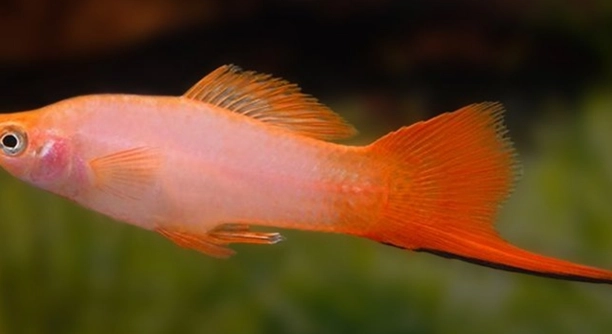
Are your swordtails looking a little lonely in their tank, or are you trying to find peaceful tank mates that get along? Adding the right fish can create a balanced and active aquarium environment for your swordtails.
Swordtails can live peacefully with various tank mates, including mollies, platies, corydoras, and peaceful tetras. These fish share similar water preferences and temperaments, making them ideal companions in a community tank setup with proper care and monitoring.
These pairings can lead to a healthier, more vibrant tank where all fish thrive together.
Platies Are a Colorful Match
Platies are one of the most compatible tank mates for swordtails. They share similar care requirements, enjoy the same water conditions, and are generally peaceful. Both species are livebearers, which makes them ideal for a calm community setup. Platies come in a wide range of colors, adding variety to your tank without introducing aggression. They tend to stay active but not overly aggressive, which helps maintain balance in the aquarium. Feeding and care routines are also nearly identical, making daily maintenance easier. As long as the tank is spacious and well-planted, these fish will coexist without issues.
Platies rarely nip or chase swordtails, keeping stress levels low. They’re social and do well in groups, just like swordtails.
Their calm personalities and shared needs make them one of the easiest and most reliable fish to pair with swordtails. You’ll likely notice more interaction and a livelier atmosphere without much effort or adjustment.
Corydoras Keep the Bottom Clean
Corydoras are peaceful bottom dwellers that won’t compete with swordtails for space or food, making them excellent tank mates.
These catfish tend to mind their own business while staying active along the tank floor. They help by cleaning up leftover food and reducing waste, which improves water quality. Since swordtails prefer the mid-to-upper levels of the tank, there’s no competition between them. Corydoras thrive in groups and appreciate a soft, sandy substrate. Adding driftwood and plants provides them places to explore and rest. Their calm nature helps create a relaxed environment for all fish. Make sure the water temperature and pH match both species’ needs. When cared for properly, Corydoras and swordtails can thrive together in a low-stress tank. Observing their different behaviors across levels of the tank can add more interest without creating tension. Feeding sinking pellets for Corydoras and floating flakes for swordtails keeps everyone well-fed without conflict.
Mollies Add Energy Without Trouble
Mollies are active, peaceful fish that generally get along well with swordtails. They enjoy similar temperatures and water conditions, which makes them easy to care for in the same tank. Their social nature helps keep the tank lively without causing stress or conflict.
When keeping mollies with swordtails, it’s important to make sure there’s enough space to swim freely. Both fish can be curious, so overcrowding may lead to minor chasing. A 20-gallon tank or larger works best for a group of each species. Mollies enjoy slightly brackish water, but they adapt well to freshwater when introduced gradually. Feed both species high-quality flakes, supplemented with occasional vegetables or frozen foods. Watch for signs of stress or aggression, especially in smaller tanks. Overall, mollies and swordtails make a great combination when given enough room and attention to basic care needs.
Their shared preference for warmer water and a peaceful environment allows them to thrive side by side. Adding live plants, like java fern or anubias, helps both species feel secure while also improving water quality. Mollies may breed often, much like swordtails, so it’s good to monitor population growth. Regular water changes and a balanced diet keep both fish in good health. With careful setup, this pairing stays active, colorful, and problem-free.
Guppies Are Easygoing and Bright
Guppies are another livebearing fish that pairs well with swordtails. They’re small, colorful, and usually peaceful, which helps maintain a balanced community. Like swordtails, guppies are very active and enjoy open swimming areas as well as hiding spots.
It’s important to keep guppies in groups to help them feel safe and display natural behavior. Male guppies can sometimes become a little too persistent when females are around, so keeping more females than males helps avoid issues. They prefer warm, slightly alkaline water, which fits well with swordtail needs. Guppies enjoy a mix of flake food and occasional treats like brine shrimp or bloodworms. Since both species tend to stay in the upper and middle levels of the tank, it’s best to avoid overcrowding. This allows them to swim freely without competition. Their bold colors and constant activity add movement and contrast, making the tank more interesting without causing aggression.
Neon Tetras Bring Color and Calm
Neon tetras are peaceful schooling fish that stay small and don’t bother other species. They swim in tight groups and prefer calm surroundings, making them a nice contrast to the more active swordtails.
They thrive in the same temperature range as swordtails and enjoy planted tanks with low lighting. Their calm behavior helps maintain peace.
Zebra Danios Are Active but Friendly
Zebra danios are known for their fast swimming and playful nature. They do well with swordtails because they’re non-aggressive and adapt to a variety of tank setups. Just make sure the tank is large enough to give both species plenty of space. Keep them in groups of at least five to reduce stress and prevent fin-nipping. Their energy adds movement without disrupting the balance of the tank. They tolerate a wide range of conditions and are easy to care for. A mix of open space and hiding areas works best. Feed them a simple diet of flakes and occasional frozen foods.
Otocinclus Help Keep Things Clean
Otocinclus catfish are quiet, algae-eating fish that stay out of the way. They’re a peaceful choice for keeping algae under control without disturbing other fish.
FAQ
What are the best tank mates for swordtails?
Swordtails are generally peaceful fish that do well with species like platies, mollies, guppies, neon tetras, and zebra danios. These fish share similar water preferences, temperaments, and sizes, making them compatible with swordtails in a community tank. Always ensure there’s enough space to avoid stress or aggression.
Can swordtails live with other livebearers?
Yes, swordtails can live with other livebearers like guppies, platies, and mollies. These species have similar care requirements, such as temperature range and water pH. However, it’s essential to maintain a balance in the tank to avoid overcrowding or excessive breeding. Keep an eye on male-to-female ratios to prevent aggression.
How many swordtails should be kept together?
Swordtails should be kept in groups of at least three to four to ensure they feel comfortable and secure. Males may be territorial, so having more females than males can help prevent unwanted aggression. A group of swordtails will display more natural behaviors and create a dynamic, active tank.
Do swordtails need a heater in their tank?
Yes, swordtails thrive in warm water, typically between 72°F and 82°F (22°C to 28°C). A reliable aquarium heater helps maintain a stable temperature, which is essential for their health and well-being. If the water is too cold, swordtails can become stressed, which can lead to health problems.
How can I tell if my swordtail is stressed?
Stressed swordtails may display behavior changes such as hiding, reduced appetite, or aggressive actions like fin nipping. Their colors might also fade or become dull. Stress can be caused by poor water quality, overcrowding, or incompatible tank mates. Regular water changes and ensuring the tank has enough space can help reduce stress.
Can swordtails live with bettas?
It’s not recommended to keep swordtails with bettas, especially male bettas. Bettas are aggressive and territorial, and they may attack swordtails, particularly if the swordtail’s long fins resemble the betta’s natural rivals. If you still want to keep them together, ensure the tank is large with plenty of hiding spaces.
Are swordtails aggressive?
Swordtails are not considered aggressive but can show territorial behavior, particularly males towards each other. They are generally peaceful in community tanks if given enough space. However, aggression can arise in overcrowded environments or when they feel threatened by tank mates. Maintaining a balanced tank setup can prevent this.
What do swordtails eat?
Swordtails are omnivores and will eat a variety of foods. They thrive on a diet of high-quality flakes, pellets, live foods like brine shrimp, and occasional vegetables like spinach or zucchini. A varied diet ensures they get the nutrients needed for optimal health and vibrant colors.
Can swordtails live in a tank without a filter?
While it’s possible for swordtails to live in a tank without a filter, it’s not ideal. A filter helps maintain water quality by removing waste and toxins, which are essential for fish health. Without proper filtration, waste can accumulate quickly, leading to poor water conditions that can stress or harm your swordtails.
How often should I do water changes for swordtails?
Regular water changes are crucial for maintaining a healthy environment for swordtails. Perform partial water changes (about 25% of the tank volume) once a week to keep water quality high. If you have a larger tank or a heavily stocked aquarium, you might need to do more frequent changes.
Can swordtails live with goldfish?
Swordtails and goldfish are generally not ideal tank mates. Goldfish thrive in cooler water temperatures, while swordtails prefer warmer water. This temperature difference can lead to stress and health issues for both species. Additionally, goldfish can produce a lot of waste, which may negatively affect water quality for swordtails.
Are swordtails easy to care for?
Yes, swordtails are relatively easy to care for, making them a good choice for beginner fishkeepers. They are hardy, adaptable, and tolerant of a range of water conditions. However, they do require consistent care, including regular water changes, a balanced diet, and compatible tank mates to thrive.
How long do swordtails live?
Swordtails typically live for 3 to 5 years in a well-maintained tank. Their lifespan depends on water quality, diet, and overall care. Keeping the tank clean and providing a stress-free environment will help swordtails live longer, healthier lives.
Can swordtails be kept with shrimp?
Swordtails can generally live with peaceful shrimp species like cherry shrimp, amano shrimp, and ghost shrimp. However, swordtails might occasionally chase or nip at shrimp, especially smaller ones. To reduce the risk, ensure the tank has plenty of plants and hiding spots where shrimp can retreat when needed.
Final Thoughts
Choosing the right tank mates for your swordtails is essential for creating a peaceful, healthy aquarium. Swordtails are generally peaceful, but they can show territorial behavior, especially males. It’s important to select species that are similar in size and temperament to avoid conflicts. Fish like neon tetras, zebra danios, and platies are excellent choices because they share similar water conditions and will coexist with swordtails without much trouble. Additionally, small algae-eaters like otocinclus can help keep your tank clean without disrupting other fish.
Keeping your swordtails in a well-maintained tank is key to ensuring they thrive. Regular water changes, a consistent feeding routine, and monitoring water parameters will help maintain a healthy environment. Swordtails enjoy planted tanks, which provide hiding spots and reduce stress, making them feel more comfortable. When choosing other species, always ensure there’s enough space for all the fish. Overcrowding can cause stress, which leads to health issues and potential aggression. If you can meet the care needs of all your fish, you’ll be able to create a peaceful community tank where all the species can thrive.
Lastly, remember that compatibility is essential, but so is the overall care you provide for your swordtails and their tank mates. Always observe the fish closely to identify any signs of stress or aggression. Each fish has its own personality, and while some may get along right away, others might need more time to adjust. Pay attention to the behavior of all species in the tank and be prepared to make adjustments if necessary. A harmonious tank setup, with the right mix of species, will ensure your swordtails and their companions live healthy and happy lives.

Hello,
If you enjoy the content that we create, please consider saying a "Thank You!" by leaving a tip.
Every little bit helps us continue crafting quality advice that supports the health, happiness, and well-being of pets around the world, for pets of all shapes, sizes, and species.
We really appreciate the kindness and support that you show us!