
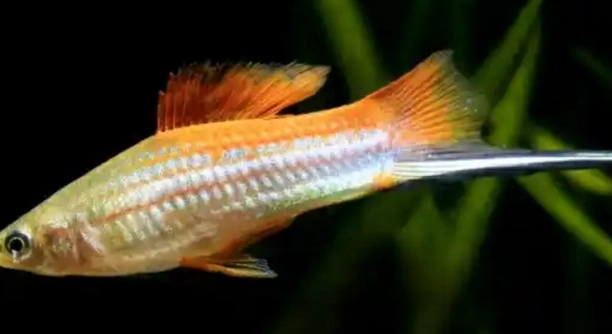
Swordtails and guppies are both popular aquarium fish, often chosen for their vibrant colors and peaceful nature. However, many fish keepers wonder if these two species can coexist in the same tank without any issues.
Swordtails and guppies can generally live together in a community tank without significant problems. Both species are peaceful, share similar water requirements, and thrive in similar environments, making them compatible tankmates for most setups.
With the right care and attention, these two species can create a colorful and harmonious aquarium environment. Understanding their unique behaviors and needs will help ensure they live together peacefully.
Compatibility Between Swordtails and Guppies
Swordtails and guppies are both peaceful fish, making them good tankmates. They have similar care requirements, including water temperature, pH level, and tank conditions. These fish are also active swimmers, which helps prevent any territorial disputes. However, there are a few things to keep in mind. Swordtails are slightly larger and more robust than guppies, so it’s important to ensure the tank is spacious enough for both species to thrive. Guppies, being smaller, may sometimes feel stressed if overcrowded or if the swordtails are too dominant in the tank.
Both species are social and do best in groups, so keeping multiple individuals of each species can help maintain balance. In terms of behavior, swordtails are generally peaceful, but male swordtails can sometimes show aggressive tendencies toward each other. Guppies, on the other hand, are very docile, which usually prevents conflict with swordtails. Ensuring your tank has plenty of hiding spaces and plants will also help reduce potential stress and keep things calm.
A peaceful aquarium setup with swordtails and guppies can lead to a lively, colorful display. However, always keep an eye on their interactions. If you notice any aggression or stress, adjusting the tank size or adding more plants and hiding spots can help resolve the issue. Both species thrive when they feel safe and secure in their environment.
Water Conditions for Swordtails and Guppies
Swordtails and guppies both prefer warm water, with a temperature range of 72-82°F (22-28°C) being ideal. Keeping the water temperature stable is important to avoid stress on the fish.
Maintaining consistent water conditions is crucial to the health of both swordtails and guppies. Regular water changes, testing the water for ammonia, nitrites, and nitrates, and using a reliable filtration system will ensure the fish remain healthy. The water should be slightly alkaline, with a pH level between 7.0 and 8.2, and moderately hard. While these fish can tolerate a variety of conditions, it’s best to mimic their natural habitat as much as possible. Both species are also sensitive to water quality, so frequent checks and proper filtration will help maintain a healthy environment.
Adding live plants can further benefit the water conditions, as they help absorb excess nutrients and improve oxygen levels. Swordtails and guppies both appreciate having plants and hiding spots, which also help them feel more secure. You’ll also want to avoid sudden temperature changes, as this can lead to stress or illness in both species. A consistent, stable environment is key to their well-being.
Tank Size for Swordtails and Guppies
For swordtails and guppies to live comfortably, a tank of at least 20 gallons is recommended. This size provides enough space for both species to swim freely without overcrowding. More room helps maintain water quality and reduces stress on the fish.
A 20-gallon tank is a good starting point, but if you have more fish or want to add other species, a larger tank may be necessary. Swordtails grow larger than guppies, so having ample space ensures that they don’t feel cramped. Guppies are small, but they also benefit from space to swim. Proper filtration and water circulation are also crucial in preventing stagnant spots in the tank where waste and harmful bacteria can build up.
It’s also essential to consider the swimming habits of both species. Swordtails tend to swim more actively, while guppies prefer the middle and top parts of the tank. Ensuring that there is space for both species to claim their territory will help reduce the risk of aggression and territorial behavior. A well-balanced tank setup is key to keeping these fish happy and healthy.
Feeding Swordtails and Guppies
Both swordtails and guppies are omnivores and enjoy a varied diet. High-quality flakes or pellets designed for tropical fish will meet their basic nutritional needs. Offering live or frozen food like brine shrimp or daphnia can also enhance their diet.
While both species are small, they have healthy appetites and will eat a variety of foods, including vegetables, protein, and algae. It’s best to feed them two to three times a day, providing only as much as they can consume in a few minutes. Overfeeding can lead to poor water quality and health issues.
Guppies tend to be faster eaters, so ensure swordtails aren’t being outcompeted for food. You can feed them separately if necessary or ensure there are plenty of hiding spots so all the fish have access to food. By varying their diet and providing balanced meals, you’ll keep them active and healthy in your aquarium.
Gender and Breeding Considerations
When keeping swordtails and guppies together, it’s important to understand their breeding habits. Both species breed easily, and without careful planning, you may end up with too many fry. Female swordtails and guppies give birth to live young, which can quickly overpopulate the tank.
To avoid overbreeding, consider keeping only males or separating males and females. Male guppies are particularly known for their constant pursuit of females, which may stress the fish. If you want to breed them, provide separate breeding tanks and be prepared for a large number of offspring.
Breeding can also affect the behavior of your fish. Male swordtails might become more territorial when trying to attract females, and this could lead to conflicts. Having plenty of hiding spaces for the females and ensuring the males are not overly aggressive is key to maintaining peace in the tank.
Health and Maintenance
Healthy fish thrive in stable, clean environments. Regular water changes, checking water parameters, and ensuring your tank’s filtration system is running smoothly are essential for maintaining a healthy tank for both swordtails and guppies.
Monitoring your fish for signs of stress or illness is also important. Swordtails and guppies are generally hardy, but poor water quality can lead to issues like fin rot or ich. A clean tank with good water quality, along with balanced feeding, will help prevent these problems.
Tank Decoration
Both swordtails and guppies enjoy having plants and hiding spots in their tanks. Providing a variety of plants, rocks, and decorations will allow them to feel secure and reduce stress. It’s also a good idea to have open swimming spaces to accommodate both species’ activity levels.
Plants not only provide shelter but also improve the water quality. Live plants help absorb excess nutrients and provide oxygen, which is beneficial for all fish in the tank. Make sure to use soft plants or smooth decorations to prevent injury to their delicate fins.
FAQ
Can swordtails and guppies live together in a community tank?
Yes, swordtails and guppies can live together in a community tank. They are both peaceful species that thrive in similar water conditions. Swordtails are slightly larger, but they typically don’t show aggression toward guppies unless there’s not enough space. Ensure your tank has adequate room and hiding spots to prevent any territorial behavior. Both species enjoy being in groups, so having multiple individuals of each can help promote harmony.
Are swordtails more aggressive than guppies?
Swordtails can display some territorial behavior, especially the males. While they are not typically aggressive, they may show aggression towards other males or fish that resemble them. Guppies, on the other hand, are generally peaceful and non-aggressive. If you have a tank with both species, you should still keep an eye on them to make sure no fish are being bullied.
What size tank is best for swordtails and guppies?
A tank of at least 20 gallons is ideal for swordtails and guppies. This size allows them to swim freely and prevents overcrowding. Both species are active swimmers, and having enough space helps keep the water quality stable. If you plan to add other species, a larger tank will be necessary to maintain a balanced environment.
How do I prevent overbreeding in swordtails and guppies?
To avoid overbreeding, consider keeping only male swordtails and guppies or separating males and females. Both species reproduce quickly and without control, so you may end up with a lot of fry. If you want to breed them, consider having a separate breeding tank to ensure the babies are taken care of properly without overcrowding the main tank. Additionally, removing pregnant females to a breeding tank can prevent them from becoming overwhelmed by male attention.
Do swordtails and guppies need the same water temperature?
Yes, swordtails and guppies both prefer warm water, with a temperature range of 72-82°F (22-28°C). Keeping the temperature consistent is crucial to their health. Fluctuations can lead to stress or illness. A reliable heater and thermometer are essential in maintaining the right temperature, especially if you live in an area with temperature extremes.
What should I feed swordtails and guppies?
Swordtails and guppies are omnivores, so they require a balanced diet that includes both plant and protein-based foods. High-quality flakes or pellets can serve as their base diet, and occasional live or frozen foods like brine shrimp, daphnia, or bloodworms will provide extra nutrition. It’s also good to offer some vegetables like spinach or zucchini. Be sure to feed small amounts several times a day to avoid overfeeding and water contamination.
Can I keep other fish with swordtails and guppies?
Yes, you can keep other peaceful fish with swordtails and guppies. However, avoid aggressive species that might harm these smaller fish. Suitable tankmates include other peaceful livebearers, tetras, or corydoras catfish. It’s important to ensure that all fish in the tank share similar water conditions and aren’t too large or territorial.
What should I do if my swordtail is chasing my guppy?
If your swordtail is chasing your guppy, it may be due to territorial behavior or a male swordtail trying to court a female. Make sure the tank is large enough to give the fish room to swim and create plenty of hiding spots for the guppy. You can also separate the males and females if this behavior persists. Adding more plants or decorations will provide more areas for the guppy to hide and feel safe.
Are swordtails and guppies prone to diseases?
Swordtails and guppies are relatively hardy but can still be prone to common fish diseases like ich, fin rot, and swim bladder issues, especially if the water quality is poor. Regular water changes, proper filtration, and monitoring the water parameters can help prevent most health problems. Keep an eye on your fish for any signs of illness such as abnormal swimming, loss of appetite, or visible lesions. Prompt action is key to preventing the spread of disease.
How do I know if my swordtail or guppy is stressed?
Stress in swordtails and guppies can show up in several ways. Some common signs include rapid gill movement, lethargy, loss of color, hiding more than usual, or erratic swimming behavior. Stress can be caused by overcrowding, poor water quality, aggressive tankmates, or sudden temperature changes. Ensuring a stable environment with plenty of hiding spots and appropriate tankmates can reduce stress levels in both species.
Final Thoughts
Swordtails and guppies are both popular aquarium fish, and with proper care, they can live together peacefully. These species share similar water requirements and behaviors, which makes them good tankmates for beginners or experienced fish keepers alike. However, it’s important to consider a few factors to ensure a harmonious environment. Proper tank size, water conditions, and the balance between males and females are key to keeping them healthy and stress-free. A tank that’s too small or overcrowded can lead to aggression and discomfort for both species.
While swordtails and guppies are generally compatible, it’s important to keep an eye on their interactions. Swordtails can sometimes be more territorial, especially the males, and may show aggression towards other males. Guppies, being smaller, are usually less aggressive, but they can still become stressed if there isn’t enough space or if the swordtails are too dominant. Providing plenty of hiding spots and decorations will help reduce stress and give both species the space they need. Regular monitoring of the tank and being prepared to separate fish if needed is a good way to prevent potential issues.
In conclusion, swordtails and guppies can live together in a well-maintained tank with the right conditions. By ensuring you meet their needs, from water quality to proper feeding habits, these fish can thrive and create a colorful, peaceful aquarium. It’s also important to remember that every tank setup is different, and you may need to adjust based on the specific dynamics between your fish. With a little attention to detail, swordtails and guppies can be wonderful companions in your aquarium.

Hello,
If you enjoy the content that we create, please consider saying a "Thank You!" by leaving a tip.
Every little bit helps us continue crafting quality advice that supports the health, happiness, and well-being of pets around the world, for pets of all shapes, sizes, and species.
We really appreciate the kindness and support that you show us!