
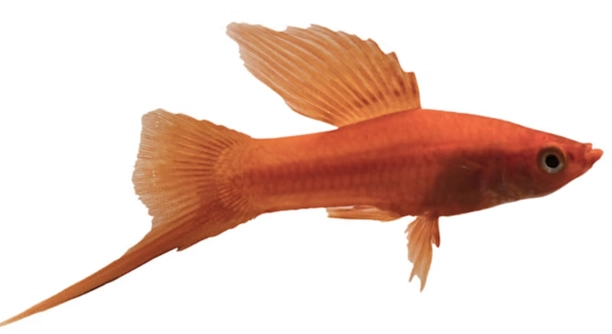
Are you concerned about your swordtail staying at the bottom of the tank? This behavior may seem unusual, but it can have various explanations, ranging from environmental issues to health concerns. Understanding why this happens can help you provide the best care for your fish.
The most common reason for a swordtail staying at the bottom is stress, poor water quality, or illness. Stressors such as sudden changes in water temperature or the presence of aggressive tank mates can cause them to retreat to the bottom.
There are different ways to improve your swordtail’s situation, from adjusting tank conditions to monitoring their health. Understanding these factors can help you create a better environment for your fish and ensure their well-being.
Stress and Overcrowding
When your swordtail stays at the bottom of the tank, one of the first factors to consider is stress. Fish are highly sensitive to changes in their environment, and stress can make them act in unusual ways. Overcrowding, for example, can cause fish to feel unsafe or trapped, leading them to retreat to the bottom. If there are too many fish in your tank, your swordtail may not have enough space to swim freely, making them more likely to seek refuge in the lower areas of the tank.
If overcrowding is an issue, consider reducing the number of fish in the tank to create a more comfortable space for your swordtail. Ensuring the tank has adequate filtration and oxygen levels can also reduce stress.
Additionally, aggressive tank mates may be causing your swordtail to feel threatened, prompting it to stay low. Swordtails can become stressed when constantly harassed by other fish. Try rearranging the decorations or adding more hiding spots so that your swordtail has more security.
Water Quality
Poor water quality is another leading cause of your swordtail’s behavior. If the water in your tank is not clean or is improperly balanced, your fish may avoid swimming in higher areas. Fish are particularly sensitive to changes in pH, ammonia, and nitrate levels. Even slight imbalances can cause discomfort and health problems. It’s crucial to regularly test the water to ensure it is within optimal conditions.
Poor water quality affects fish in various ways, including causing respiratory issues or making them sluggish. Swordtails need clean water with consistent temperature levels between 72°F and 82°F (22°C to 28°C) to thrive. If your swordtail is staying at the bottom of the tank, test the water parameters immediately. If you find any issues, address them right away by performing water changes and adjusting the filtration system.
Illness or Injury
Swordtails at the bottom of the tank may also be showing signs of illness or injury. A sick or injured fish may become lethargic and hide at the bottom as a way to avoid predators or discomfort. Look for any signs of physical injury, like missing fins or abnormal growths, which could indicate disease.
If your swordtail is staying at the bottom, check for any physical symptoms that could point to illness. Parasites, bacterial infections, or internal diseases can lead to unusual behavior. Fish that are sick often avoid swimming with the rest of the tank mates, especially if they are feeling weak.
If you notice any signs of illness, you may need to quarantine the affected fish to prevent spreading the disease. Treatment options can range from medicated food to special water treatments. In some cases, seeking advice from a veterinarian who specializes in aquatic animals may be necessary to ensure your fish gets the best care possible.
Water Temperature
Swordtails are tropical fish, so they need warm water to stay active and healthy. If the water temperature in your tank is too low, your swordtail might retreat to the bottom to stay warmer. Swordtails thrive in water temperatures between 72°F and 82°F (22°C to 28°C).
If the water temperature drops below this range, your swordtail may become sluggish and seek the warmer areas of the tank. Ensure your tank has a reliable heater to maintain the correct temperature. Regularly monitor the temperature, especially in colder weather, to prevent sudden drops that might cause your fish to become stressed.
Having a thermometer in the tank is an easy way to keep track of the water temperature. If the temperature fluctuates too much, your swordtail may become more vulnerable to diseases. Consistent, warm water will help your swordtail stay active and comfortable, reducing the chances of it staying at the bottom of the tank.
Tank Setup
The setup of your tank can play a big role in your swordtail’s behavior. If the tank lacks proper hiding spots or decorations, your swordtail may feel insecure and retreat to the bottom. A tank that feels open or exposed can stress fish, leading to unnatural behavior.
Ensure your tank has enough plants, rocks, or other decorations to create hiding spots. This gives your swordtail the option to feel safe and secure while still being able to swim freely. The more natural the environment, the more comfortable your fish will feel. Adding plants also helps maintain water quality.
Diet and Nutrition
A poor diet can cause your swordtail to feel weak or lethargic, leading it to stay at the bottom of the tank. Swordtails require a balanced diet, including high-quality flakes, pellets, and occasional live or frozen foods. Poor nutrition can lead to a weakened immune system.
If your swordtail is not eating properly, it may struggle to maintain its energy levels, causing it to stay at the bottom. It’s important to feed your fish the right amount of food and avoid overfeeding. A varied diet will support your swordtail’s health and vitality.
FAQ
Why is my swordtail always at the bottom of the tank?
There could be several reasons why your swordtail is staying at the bottom. Stress, poor water quality, illness, or even tank setup could all contribute to this behavior. Swordtails are social fish, and if they feel threatened, overcrowded, or uncomfortable due to water conditions, they may retreat to the bottom for safety. Checking your tank’s water parameters, ensuring there’s enough space, and maintaining a peaceful environment will help address the issue.
Is it normal for swordtails to swim at the bottom?
Swordtails generally prefer to swim at all levels of the tank, but if they are consistently staying at the bottom, something is wrong. This behavior is often a sign of stress, illness, or unfavorable tank conditions. Healthy swordtails are usually active swimmers, and any sudden changes in behavior could indicate an underlying issue that needs attention.
How can I help my swordtail swim better?
To help your swordtail swim better, start by improving the tank conditions. Check the water temperature, pH, and ammonia levels to make sure they are within the optimal range. If your swordtail is stressed, provide more hiding spots or rearrange the tank decorations to reduce aggression. Proper nutrition and a balanced diet are also important.
Should I worry if my swordtail is staying at the bottom?
Not necessarily, but it’s important to monitor the behavior. If the swordtail is eating, swimming occasionally, and doesn’t show signs of illness, it may be fine. However, if the fish is consistently at the bottom, not eating, or appears sluggish, it could be a sign of illness or poor water quality. In this case, you should investigate and correct any issues as soon as possible.
Can swordtails get stressed easily?
Yes, swordtails are sensitive to changes in their environment and can get stressed easily. Factors such as sudden changes in water temperature, aggressive tank mates, overcrowding, and poor water quality can all cause stress. Stress can lead to a weakened immune system, making your fish more vulnerable to diseases. Keeping a stable and peaceful tank environment will help reduce stress.
How can I tell if my swordtail is sick?
Look for physical signs like faded colors, sores, spots, or swollen body parts. You should also pay attention to behavior changes, such as staying at the bottom, not eating, or swimming erratically. If your swordtail is showing any of these signs, it could be sick. It’s best to isolate the fish in a quarantine tank and treat it with medication designed for the issue.
Can poor water quality affect my swordtail’s health?
Yes, poor water quality can lead to several health problems for your swordtail. High levels of ammonia or nitrates, improper pH levels, and fluctuating temperatures can cause stress, weaken their immune system, and even lead to diseases. Regular water changes and proper filtration are crucial to maintaining good water quality.
Is my swordtail sick if it’s just staying at the bottom?
Not necessarily, but if your swordtail is staying at the bottom and displaying other signs like lack of appetite, faded color, or abnormal swimming patterns, it might be sick. Illness can be a common reason for this behavior, but environmental stress or injury should also be considered. Always check water parameters and look for any physical symptoms.
How often should I change the water in my swordtail tank?
You should change 25-30% of the water in your swordtail’s tank every 1-2 weeks. Regular water changes help maintain healthy water conditions by removing toxins and replenishing essential minerals. If you notice that the water quality is poor or your swordtail is showing signs of stress, more frequent water changes may be necessary.
Can swordtails live with other fish?
Yes, swordtails are generally peaceful fish and can live with other species, especially those that are not too aggressive. However, it’s essential to choose tank mates carefully. Avoid keeping swordtails with overly territorial or aggressive fish, as this can lead to stress and cause your swordtail to hide at the bottom.
How do I prevent my swordtail from getting stressed?
To prevent stress, create a peaceful and stable environment for your swordtail. Keep the water temperature consistent, maintain proper water quality, and avoid overcrowding the tank. Providing plenty of hiding spots and ensuring tank mates are compatible will also help reduce stress. Lastly, avoid sudden changes in the tank’s environment.
What temperature should I keep my swordtail tank at?
Swordtails prefer water temperatures between 72°F and 82°F (22°C to 28°C). If the water is too cold or fluctuates too much, your swordtail may become stressed, lethargic, or even sick. Keep a reliable heater in your tank and monitor the temperature regularly to ensure it stays within the recommended range.
Can swordtails live in cold water?
Swordtails are tropical fish and need warm water to thrive. They can tolerate slight drops in temperature, but prolonged exposure to cold water will stress them out and potentially lead to illness. Coldwater can also affect their immune system and reduce their activity level. Always keep the water temperature within the ideal range for swordtails.
How do I know if my swordtail is happy?
A happy swordtail will be active, swim around the tank, and interact with other fish. It should display bright colors and feed regularly. If your swordtail is staying at the bottom, swimming lethargically, or avoiding food, it may not be feeling well. A healthy environment and balanced diet are key to their well-being.
What kind of tank setup do swordtails prefer?
Swordtails prefer tanks with plenty of swimming space and some plants or decorations to hide in. They enjoy a tank that mimics their natural environment, so adding live plants, rocks, or driftwood can help. Avoid sharp objects or anything that could injure them. Swordtails also appreciate a peaceful community tank.
Final Thoughts
When your swordtail spends time at the bottom of the tank, it’s important to first understand that there could be multiple reasons behind this behavior. Stress, poor water quality, illness, or even environmental factors like water temperature can all cause this. It’s essential to look at the whole picture and assess the conditions in the tank before jumping to conclusions. Fish, including swordtails, are very sensitive to their surroundings, and their health can be greatly affected by changes in their environment.
Taking care of your swordtail starts with maintaining a healthy and stable environment. Ensuring the water quality is optimal by testing the pH, ammonia, and nitrate levels is crucial. The right water temperature is also important, as swordtails are tropical fish that need warmth to stay active. Regular water changes, proper filtration, and a balanced diet will keep your swordtail in its best condition. Make sure to monitor the behavior and appearance of your fish, as any changes could signal an underlying issue that needs addressing.
Lastly, creating a peaceful and safe environment is key to reducing stress. Swordtails are social and do well with compatible tank mates. However, overcrowding or aggressive fish can cause stress and affect their well-being. Providing hiding spots and plenty of swimming space will help your swordtail feel secure. By observing and adjusting your tank’s conditions and responding to changes in behavior, you can ensure that your swordtail remains healthy and happy.

Hello,
If you enjoy the content that we create, please consider saying a "Thank You!" by leaving a tip.
Every little bit helps us continue crafting quality advice that supports the health, happiness, and well-being of pets around the world, for pets of all shapes, sizes, and species.
We really appreciate the kindness and support that you show us!