
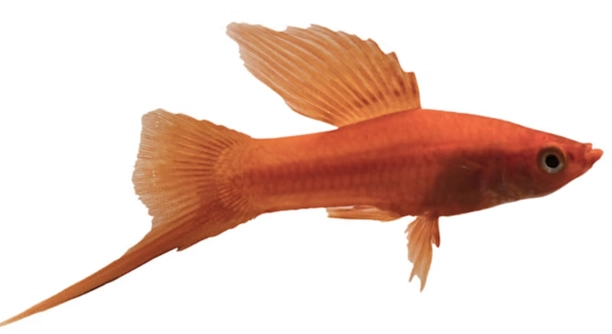
Swordtails are social fish but may survive alone if necessary. Understanding their needs can help you care for a solitary swordtail while maintaining its well-being. This article covers what to expect when housing them alone.
A swordtail can live alone, though it is not ideal. Swordtails are naturally social and thrive better in groups. Without companions, they may experience stress, loneliness, and a reduction in their activity levels, which can affect their health.
Knowing the challenges of keeping a swordtail alone will help you make the best decision for its care. This article provides important details about their social needs and how to improve their life in solitary conditions.
Swordtails: Social Creatures by Nature
Swordtails are naturally social and thrive when kept in groups. In the wild, they swim together for safety and companionship. Without company, a swordtail can experience loneliness, which may lead to reduced activity, stress, or even health issues. Though they can survive alone, it’s not the ideal environment for them.
However, if you must house a swordtail by itself, there are ways to reduce the negative effects. Providing a stimulating environment can help. A well-planted tank with plenty of hiding spaces and swimming areas allows your swordtail to feel secure. Adding other species, like peaceful fish, can offer companionship without overcrowding.
Maintaining good water conditions and offering a proper diet is crucial for their well-being. It’s important to monitor their behavior closely, as a lonely swordtail might display signs of stress. Keep an eye on their eating habits, as stress may also lead to a lack of appetite. A healthy environment is key to reducing potential health concerns.
The Impact of a Solo Environment
Living alone doesn’t mean your swordtail can’t be happy. If you’re committed to keeping one as a solo resident, consider adding decorations and plants to keep it engaged.
Keeping the water temperature steady and avoiding sudden changes will help prevent additional stress. A stable and enriched environment will encourage your swordtail to remain active and healthy.
Tank Setup for a Solo Swordtail
For a swordtail living alone, the tank setup is important. A 20-gallon tank is recommended to give them plenty of space. Include plants, decorations, and caves to mimic natural environments, allowing the swordtail to explore. A good filtration system will help maintain water quality and stability.
A properly designed tank helps keep a swordtail engaged and comfortable. Swordtails like to swim and hide, so include a mix of tall plants, smooth rocks, and caves. Avoid sharp objects that could harm their fins. Keeping a consistent water temperature between 72°F and 78°F helps maintain their health. Regular water changes are also essential to reduce stress and prevent the buildup of toxins. With proper care, your swordtail can live comfortably in a solo setup.
In a solo tank, it’s important to avoid overcrowding. While adding other species can sometimes help, make sure to choose peaceful fish that won’t stress the swordtail. Aggressive tankmates could increase stress levels, leading to health issues. Keep the tank cluttered with hiding spaces but not so full that it feels cramped. A balance of open swimming space and safe hiding spots is ideal for your swordtail’s well-being. Regular observation can help ensure the swordtail stays active and stress-free.
Socializing a Swordtail with Other Fish
If you decide to introduce other species to your swordtail’s tank, choose peaceful companions. Swordtails do well with non-aggressive fish, such as guppies, tetras, and small catfish. These fish will allow your swordtail to socialize without causing harm or stress.
When adding new fish to the tank, do so gradually. Introduce one or two fish at a time and monitor how the swordtail reacts. If they show signs of aggression or excessive stress, it may be better to remove the new fish. Sometimes, swordtails can become territorial, especially with similar-looking species. It’s important to observe their behavior closely. If the swordtail shows signs of stress, consider removing the other fish or adjusting the tank environment.
Proper tank size is also important when housing multiple species. For a peaceful community tank with swordtails, a 30-gallon tank or larger is ideal. This provides enough space for each fish to have its own territory while avoiding territorial disputes. A larger tank will also help maintain better water quality and give each fish room to swim freely. Keep an eye on water conditions, as more fish will require more filtration and water changes to maintain stability.
Swordtail Diet for Solo Fish
Swordtails need a balanced diet for optimal health. Offer high-quality flakes, pellets, and occasional live or frozen foods like brine shrimp or bloodworms. Variety helps prevent nutrient deficiencies and keeps them interested in eating. Feed them two to three times a day, ensuring they get enough food without overfeeding.
Overfeeding can lead to poor water quality, which impacts your swordtail’s health. Only offer as much food as they can eat in a few minutes, removing any leftovers. Too much food left in the tank can pollute the water and stress the fish. Stick to a regular feeding schedule, and be mindful of water conditions.
Monitoring Behavior and Health
Keep a close watch on your swordtail’s behavior and appearance. Healthy swordtails are active swimmers and display vibrant colors. If your swordtail becomes lethargic, loses its color, or has clamped fins, these are signs of stress or illness. Address these issues promptly to avoid further health problems.
Sometimes, stress from being alone can cause a decrease in appetite or unusual behavior. In these cases, check water parameters like temperature, pH, and ammonia levels. Ensure the environment is as comfortable as possible, and consider adding a companion if your swordtail’s health continues to decline due to loneliness.
Tank Maintenance for a Solo Swordtail
Regular tank maintenance is essential to keep a solo swordtail healthy. Clean the tank every two weeks, removing debris and performing partial water changes. Ensure the filter is running well to prevent any build-up of waste. Keeping the water fresh helps prevent diseases and keeps the fish stress-free.
FAQ
Can a swordtail live alone permanently?
A swordtail can live alone, but it’s not ideal for long-term care. These fish are naturally social and thrive when they have company. If a swordtail is kept alone for extended periods, it may become stressed, which can lead to health problems. However, with proper care, a swordtail can survive alone for a while.
What signs should I look for if my swordtail is stressed?
If your swordtail is stressed, you may notice it swimming erratically, staying in one spot, or hiding excessively. A stressed swordtail may also show signs like loss of color, clamped fins, or reduced appetite. Monitoring behavior and providing a comfortable environment can help reduce stress.
Can I keep a swordtail with other fish?
Swordtails can live with other peaceful fish, such as guppies or tetras. However, avoid aggressive species, as swordtails can become stressed or territorial. Keep in mind that swordtails are known to be more peaceful than other fish, but each individual can have a different temperament.
How often should I feed my swordtail?
Feed your swordtail two to three times per day, offering small amounts of food each time. Overfeeding can lead to poor water quality and health problems. Make sure to remove any uneaten food from the tank within a few minutes to prevent it from fouling the water.
What type of tank mates are suitable for swordtails?
When choosing tank mates, opt for peaceful species that won’t compete with the swordtail for space or food. Small, non-aggressive fish like tetras, mollies, and catfish can live well with swordtails. Avoid species that are too similar in appearance, as this could lead to territorial behavior.
How large of a tank does a swordtail need?
A swordtail requires a minimum of a 20-gallon tank, especially if it’s the only fish in the tank. A larger tank can provide more space for swimming and hiding. A 30-gallon or larger tank is recommended if you’re keeping more than one swordtail or other species.
What is the best temperature for a swordtail tank?
Swordtails prefer water temperatures between 72°F and 78°F. Keeping the water temperature consistent helps maintain their health and comfort. Use a heater if necessary to maintain a stable environment. Sudden changes in temperature can cause stress, so keep it steady.
How do I know if my swordtail is male or female?
Male swordtails are typically smaller and more colorful than females. They also have a long, distinctive “sword” tail fin, which is absent in females. Females are usually rounder in shape and larger, with less vibrant colors. This makes it easier to distinguish the sexes.
Should I add live plants to a swordtail tank?
Adding live plants to your swordtail’s tank is highly recommended. Plants provide hiding spaces, which can help reduce stress, and they also improve water quality by absorbing excess nutrients. Swordtails enjoy swimming around plants, which mimics their natural habitat.
How can I tell if my swordtail is sick?
If your swordtail shows signs of lethargy, loss of color, abnormal swimming, or clamped fins, it might be ill. Check the water parameters for any issues, such as high ammonia or nitrite levels. If you notice any of these signs, consider treating the fish promptly.
Can swordtails breed in a community tank?
Yes, swordtails can breed in a community tank. Female swordtails are livebearers, meaning they give birth to live young rather than laying eggs. If you don’t want to breed them, consider keeping only males or removing pregnant females to prevent unwanted fry from taking over the tank.
How long do swordtails live?
Swordtails typically live for 3 to 5 years if given proper care. Maintaining good water quality, feeding a balanced diet, and avoiding stress are all important factors in helping them live a long, healthy life. Some swordtails have been known to live longer with excellent care.
What kind of filter do I need for a swordtail tank?
A good filter is essential for maintaining water quality in a swordtail tank. A filter rated for the size of your tank will help keep the water clean by removing debris and toxins. Choose a filter that provides gentle water movement, as swordtails prefer calm water conditions.
Can swordtails tolerate changes in water parameters?
Swordtails are fairly resilient, but drastic changes in water parameters can cause stress. Sudden shifts in temperature, pH, or hardness can affect their health. To prevent this, test the water regularly and avoid making rapid changes. Slow adjustments are safer and less stressful for the fish.
Do swordtails need a lot of light?
Swordtails do well with moderate lighting in their tank. Too much light can cause algae growth, while too little can affect plants and their overall environment. A consistent day-night cycle of 10 to 12 hours of light is sufficient for most swordtails.
Is it okay to keep a single swordtail with no companions?
Although swordtails are social creatures, a single swordtail can live alone if necessary. However, it’s important to maintain a comfortable, stimulating environment to prevent loneliness and stress. Keep in mind that swordtails may not be as active or vibrant when kept alone for extended periods.
How can I reduce stress in my swordtail?
To reduce stress, ensure your swordtail has a stable environment. Provide plenty of plants and hiding spots in the tank, maintain proper water conditions, and avoid sudden changes. Minimize aggressive interactions with other fish and keep the tank clean to help the swordtail feel more secure.
Final Thoughts
Swordtails can live alone, but they thrive in a social environment. These fish are naturally active and enjoy interacting with other fish. If you choose to keep a swordtail by itself, be sure to provide a well-maintained tank with plenty of hiding spots and plants to keep it comfortable. While swordtails can adapt to a solo lifestyle, they may show signs of stress if left alone for too long. Keeping them alone occasionally is fine, but long-term isolation may lead to health problems, such as reduced appetite and color fading.
Maintaining proper care and a balanced environment will help your swordtail live a healthy life, whether it’s alone or with tank mates. Make sure the water temperature is stable, the tank is clean, and the fish receives a varied diet. Swordtails are hardy fish, but they need consistent care. A small mistake in water quality or diet can affect their health. Monitoring their behavior regularly and making adjustments as needed will help prevent any problems. Always test the water parameters and feed your swordtail in moderation to avoid overfeeding and poor water quality.
If you decide to keep multiple swordtails, ensure they have enough space to swim freely. A larger tank is ideal to accommodate more than one fish without overcrowding. A 20-gallon tank can house a pair, while a larger tank will support more. Swordtails are peaceful by nature, but overcrowding can cause stress and lead to territorial behavior. Whether alone or in a group, swordtails require attention to their environment to stay healthy and happy. Always keep an eye on their behavior and act quickly if any issues arise.

Hello,
If you enjoy the content that we create, please consider saying a "Thank You!" by leaving a tip.
Every little bit helps us continue crafting quality advice that supports the health, happiness, and well-being of pets around the world, for pets of all shapes, sizes, and species.
We really appreciate the kindness and support that you show us!