
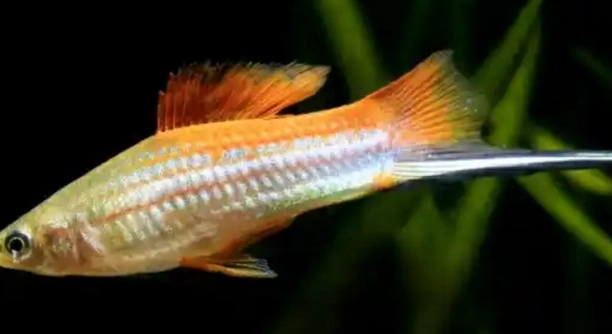
Have you ever noticed your swordtail fish acting differently when kept alone compared to when it’s around others in the tank?
Swordtail fish are social animals and can show signs of loneliness when isolated. In group settings, they tend to display more natural behaviors, improved activity levels, and reduced stress, contributing to their overall well-being.
Exploring how environment and companionship influence swordtail fish behavior can help you create a more comfortable and thriving aquarium setup.
Signs a Swordtail Fish May Be Lonely
When a swordtail fish is kept alone, its behavior may change in noticeable ways. It might become less active, spending more time hiding or staying in one part of the tank. You may also see reduced appetite or a general lack of interest in exploring its surroundings. Swordtails are known for their active swimming and social interaction, especially in community tanks. Without companions, they often lose this natural energy. They can even become more stressed, which weakens their immune system and may lead to health issues. While each fish has its own temperament, consistent isolation can cause behavioral and physical changes that suggest discomfort. It’s helpful to observe them over time, especially during feeding and when the tank environment is calm. Comparing their current behavior to when they were with other fish can provide insight into their needs.
Lonely swordtails tend to lose interest in food and may avoid interaction entirely.
If your swordtail fish seems withdrawn, it could be reacting to a lack of social interaction. These fish are not truly solitary by nature. While one fish might seem fine alone for a short period, long-term isolation is not ideal. Introducing compatible tank mates often results in a more vibrant, healthy fish.
How to Keep Your Swordtail Fish Engaged
Tank size, decorations, and tank mates play a role in how stimulated and secure a swordtail fish feels each day.
Adding plants, hiding spots, and gentle currents can help reduce boredom and stress. Swordtail fish like to explore, so giving them a space that feels active and natural encourages healthy activity. When choosing tank mates, look for peaceful, similar-sized species like mollies or platies. Avoid aggressive fish, as this can create a stressful environment. Grouping swordtails—ideally one male with two or more females—helps reduce territorial behavior and encourages social interaction. Keep in mind that overcrowding can also be a problem, so balance is key. Regular maintenance, water testing, and feeding routines help keep the environment stable. Interactive feeding methods, like floating food or slowly sinking pellets, can also hold their interest. These small steps, when added together, contribute to a more active, socially balanced, and healthy life for your swordtail fish.
Social Needs and Natural Behavior
Swordtail fish naturally live in groups and are often seen swimming together in the wild. They rely on social interactions for comfort, safety, and mental stimulation, especially in captive environments like home aquariums.
In a group, swordtails establish loose social structures. Males may occasionally display dominance, but aggressive behavior is usually minimal when there’s a proper male-to-female ratio. These fish thrive when they can observe and interact with others of their kind. Social interactions often include following one another, synchronized swimming, and mild chasing, which are normal behaviors. When kept alone, these natural tendencies are suppressed, which can lead to changes in mood and behavior. Their instincts push them toward companionship, and being part of a group allows them to feel more secure in their environment. Providing that social setting helps promote a healthy, active, and balanced life for your swordtail fish.
A single swordtail in isolation might not receive enough stimulation. Even if the tank has plenty of hiding spots and enrichment, a lack of interaction can reduce activity and result in stress-related issues over time. Being social is part of their normal routine. Without companions, they may not express themselves fully. Pairing or grouping with compatible fish supports emotional balance and helps your swordtail live a more natural and comfortable life.
Choosing the Right Companions
Swordtails do best with peaceful tank mates that don’t compete for space or food. Ideal companions include mollies, platies, guppies, and cory catfish. Keeping similar-sized and non-aggressive fish helps reduce stress and supports natural social behavior.
The key is avoiding aggressive or overly dominant fish that could harass or intimidate swordtails. Fish like barbs or cichlids may chase or nip at their long tails, which can lead to injury or stress. Also, avoid species that grow significantly larger or require drastically different water parameters. A community setup works best when all fish have similar needs. Consider gender balance too—keeping one male with two or more females can lower aggression and create a more relaxed tank. Each fish species should have space to swim and explore without being crowded. Providing enough visual barriers and plants helps reduce territorial behavior, making the aquarium a peaceful, engaging space for everyone.
Behavioral Changes to Watch For
A lonely swordtail may become less active, choosing to stay in one spot for long periods. You might also notice them ignoring food or exploring less often, which can suggest they are not mentally stimulated.
They may also become more skittish, reacting quickly to movement outside the tank. These changes often appear gradually but are worth monitoring. Reduced interaction, appetite changes, or hiding more than usual are all signs your fish may be uncomfortable in its current environment.
Benefits of Group Living
Keeping swordtails in small groups supports their natural behavior and helps reduce stress-related problems. Group settings offer mental stimulation, consistent movement, and chances to interact. These fish tend to be more active and alert when surrounded by compatible tank mates. Living in a group also improves their confidence, making them less likely to hide or react nervously. They’re more likely to eat regularly, swim around the tank, and display their vibrant colors. Proper social environments also reduce boredom, which can lead to healthier overall development. As long as tank conditions are right and space is available, group living provides a strong foundation for a thriving swordtail.
Tank Setup Tips
Make sure the tank has enough space for multiple fish to swim comfortably. Add live plants and decorations for hiding and resting.
FAQ
Can swordtail fish live alone?
Swordtail fish can survive alone for a time, but it’s not ideal for their long-term well-being. They are social animals and thrive when kept with others of their species. Isolation can lead to stress, reduced activity, and even health issues over time. If you choose to keep one alone, make sure it has plenty of stimulation from plants, decorations, and regular interaction with you. However, for the best results, consider keeping them in groups of two or more, preferably with other peaceful species to support their natural behaviors.
How many swordtails should I keep together?
Swordtail fish do best when kept in small groups. A ratio of one male to two or three females is ideal. This setup helps reduce aggression between males, which can become territorial, and ensures the females aren’t stressed by excessive attention. You can increase the group size if space allows, but avoid overcrowding, as it can lead to territorial disputes and poor water quality. A group of three to five swordtails is generally manageable for most tank sizes.
What should I do if my swordtail is hiding?
If your swordtail is hiding, it could be stressed, uncomfortable, or unwell. Check the water parameters first, as poor water quality is a common stressor. Make sure the tank temperature, pH, and hardness are within their ideal ranges. If the water is fine, consider whether there are aggressive tank mates, changes in the environment, or a lack of hiding spots. Swordtails need some places to retreat to feel secure, but if they hide too much, they may also be reacting to stress or loneliness. Adding more tank mates and enriching the tank can help.
Do swordtails need a heater?
Yes, swordtail fish require a stable water temperature to stay healthy. They prefer water temperatures between 72°F and 79°F (22°C to 26°C). A heater helps maintain a consistent temperature, especially in cooler rooms or during seasonal temperature changes. Without a heater, the water temperature may fluctuate, which could stress the fish and impact their immune system. Use a reliable aquarium heater and a thermometer to monitor the temperature regularly.
What do swordtails eat?
Swordtail fish are omnivores and thrive on a varied diet. You can feed them high-quality flakes, pellets, or frozen foods like brine shrimp, bloodworms, and daphnia. They also enjoy vegetable matter, such as blanched spinach, zucchini, and peas. It’s important to provide a mix of protein and plant-based foods to ensure balanced nutrition. Feed them small amounts multiple times a day, and be sure to remove any uneaten food to keep the tank clean.
How can I tell if my swordtail is male or female?
Male and female swordtails can be distinguished by their body shape and the presence of a “sword” on the tail. Males have longer, more pronounced tail extensions, giving them a sword-like appearance, while females have short, rounded tails. Additionally, females tend to be larger and fuller-bodied than males. In some cases, males also have brighter colors, especially when they are trying to attract females.
Why is my swordtail’s tail not looking normal?
If your swordtail’s tail appears torn, ragged, or deformed, it could be a sign of injury or poor water quality. Swordtails are generally peaceful but can suffer from fin damage if kept with aggressive tank mates. Stress and poor water conditions can also lead to fin rot, where the edges of the fins or tail become discolored or decayed. Check the water parameters and ensure there are no sharp objects in the tank that could cause injury. If fin rot is suspected, increase water changes and consider using an aquarium salt treatment.
Can swordtails breed in a community tank?
Yes, swordtails can breed in a community tank, provided there are no overly aggressive fish to disturb the breeding process. If you’re keeping males and females together, you may notice the males displaying courting behavior to attract the females. After mating, females can give birth to live fry, which are relatively large compared to other fish species. If you don’t want fry, consider keeping only males or isolating the females from the males during the breeding process. A breeding trap or separate nursery tank can help protect the fry from other fish.
How do I prevent overfeeding my swordtail?
Overfeeding swordtails can lead to obesity, poor water quality, and health problems. Stick to a feeding schedule and give them only as much food as they can eat in a few minutes. Avoid leaving uneaten food in the tank, as it will decompose and pollute the water. A good rule of thumb is to feed small amounts several times a day instead of one large feeding. This helps mimic their natural feeding patterns and reduces the risk of overfeeding.
What size tank is best for swordtails?
Swordtails need enough space to swim and explore. A minimum tank size of 20 gallons is recommended for a small group of swordtails. If you’re planning to keep multiple fish, increase the tank size accordingly to ensure they have plenty of swimming space. Larger tanks are easier to maintain in terms of water quality and provide more opportunities for decorations and plants. Keeping them in a spacious environment will help reduce stress and promote natural behavior.
Final Thoughts
Swordtail fish can live in both solitary and group settings, but they thrive best when kept with others. They are social creatures, and keeping them with tank mates provides the mental and physical stimulation they need. A lonely swordtail may exhibit signs of stress, including reduced activity, poor appetite, and hiding. These behavioral changes are often a sign that your fish needs more interaction or a more enriching environment. Keeping swordtails in groups of two or more, ideally with a few other peaceful species, can help reduce stress and encourage natural behaviors.
Creating the right tank environment is key to keeping swordtails healthy. They need a spacious tank, with plenty of plants, hiding spots, and decorations to help mimic their natural habitat. Maintaining clean water and ensuring that the temperature stays within the recommended range are crucial steps for their well-being. Swordtails are fairly easy to care for, but their health can suffer if their environment isn’t properly maintained. Regular water changes, proper filtration, and monitoring water quality will help ensure your fish stay healthy and active.
Overall, swordtails are resilient fish that can adapt to various environments, but they perform best when kept with others of their species or compatible tank mates. They are generally peaceful, but a lack of social interaction or poor tank conditions can cause stress and lead to health issues. By understanding their social needs and providing a proper environment, you can keep your swordtails happy and healthy for years to come.

Hello,
If you enjoy the content that we create, please consider saying a "Thank You!" by leaving a tip.
Every little bit helps us continue crafting quality advice that supports the health, happiness, and well-being of pets around the world, for pets of all shapes, sizes, and species.
We really appreciate the kindness and support that you show us!