
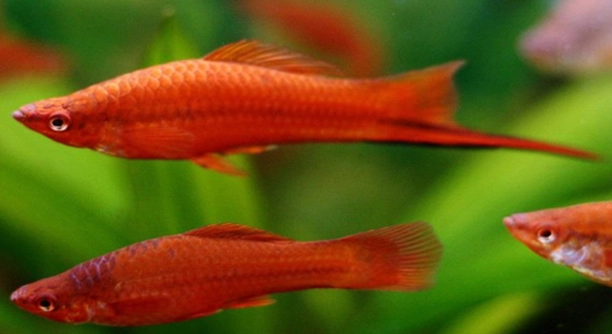
Swordtail fish are popular for their vibrant colors and active nature. As with any aquarium species, understanding their water flow preferences is key to ensuring their health and well-being. This article will address this important aspect of their care.
Swordtail fish generally prefer moderate water flow in their tanks. Too fast a current can stress them, as they are not naturally accustomed to rapid-moving waters. Providing them with a gentle current can help maintain their health and comfort.
Understanding how water flow impacts your swordtail’s behavior will help you create an optimal environment for them. Proper adjustments can make a noticeable difference in their overall well-being.
Understanding Swordtail Fish and Their Water Flow Needs
Swordtail fish are relatively adaptable to different tank conditions, but water flow plays a significant role in their comfort. These fish are naturally found in slow-moving waters, such as streams and rivers, so a rapid current can cause stress. Providing them with moderate water flow will help them feel more secure and active. If the current is too fast, swordtails may struggle to swim properly, leading to potential health problems.
In an aquarium, a filter with adjustable flow settings is ideal for creating the right conditions. Keeping the current gentle and steady allows the fish to swim freely and reduces their stress levels.
A well-maintained aquarium with the right water flow will encourage swordtail fish to thrive. You’ll notice better swimming patterns and more active behavior when they are comfortable. It’s crucial to balance water flow, temperature, and tank layout to suit their preferences. These simple adjustments will go a long way in keeping your swordtails healthy and happy.
How Fast Water Flow Affects Swordtail Fish
Water flow affects swordtails in various ways. They rely on gentle currents to maintain their health, with rapid water flow being a potential stressor.
Swordtails, like many other aquarium fish, are naturally suited for still or slow-moving waters. In the wild, they live in calm areas with minimal water movement, such as shallow streams. When exposed to fast-moving water in captivity, swordtail fish may display behaviors that indicate discomfort, like hiding or staying near the tank’s edges. Over time, constant exposure to strong currents can weaken their immune system, making them more susceptible to illness.
Adjusting the water flow in your tank is key. Ensure that the filter or water pump you use is not creating too much turbulence. Adding plants or decorations can also help break up the current and provide areas where swordtails can retreat to feel safer. By mimicking the environment they are adapted to, swordtails will be more likely to thrive and display their natural behaviors.
Effects of Strong Water Flow on Swordtails
Fast-moving water can make swordtails feel threatened. Their instinct is to find calm areas for swimming, and a strong current disrupts this. It can lead to them becoming stressed, which in turn can affect their appetite and behavior.
Swordtail fish are generally more comfortable in tanks with minimal water movement. When the current is too fast, they may try to swim against it or huddle near the edges of the tank. Over time, this can lead to exhaustion and even physical issues, such as fin damage. The stress caused by strong currents may also reduce their ability to interact with other fish or explore their environment.
Maintaining a moderate water flow allows swordtails to move freely and feel safe. With a gentler current, swordtails can exhibit more natural behaviors like exploring, foraging, and interacting with their tankmates. This also promotes their overall well-being and encourages healthier activity levels. Adjusting the water flow to suit their needs is a key factor in their care.
Finding the Right Water Flow for Swordtails
The ideal water flow for swordtail fish should be gentle but sufficient to keep the tank clean. This balance is essential for their comfort and health.
To maintain proper water flow, opt for an adjustable filter or pump that allows you to control the strength of the current. Position the filter near the tank’s corner or against the back wall to avoid direct flow to the swordtails. Additionally, placing plants or rocks strategically throughout the tank will help slow down the water’s movement, creating calmer areas for the fish. Keep in mind that swordtail fish, while adaptable, still thrive best in slower-moving water.
This moderate flow also benefits the tank’s ecosystem. A well-maintained water flow prevents debris buildup, ensuring that the water quality remains high. Clean, oxygenated water is essential for the swordtails’ health, so make sure the flow remains steady but not overwhelming.
Signs of Stress in Swordtail Fish Due to Water Flow
Swordtail fish show clear signs when the water flow is too strong. They may appear lethargic or spend a lot of time hiding. Some swordtails may also display erratic swimming patterns, such as darting back and forth in the current.
These stress signals should not be ignored. If you notice your swordtails struggling with the water movement, it’s important to adjust the flow as soon as possible. Consistent stress can weaken their immune system, making them more vulnerable to diseases. In extreme cases, the fish may even stop eating, leading to further health problems.
Creating a Comfortable Environment for Swordtails
A comfortable tank setup is crucial for swordtail fish. To avoid strong water currents, consider incorporating natural elements like plants or driftwood. These objects can break the current, offering areas for the swordtails to retreat.
By adjusting the water flow and enhancing the tank’s layout, you can create a secure space where swordtails feel safe and thrive. Combining these factors leads to a healthier and more vibrant tank environment for your fish.
Tank Size and Water Flow Considerations
Tank size plays a major role in how water flows. A smaller tank tends to have faster-moving water, especially if a high-powered filter is used. Larger tanks provide more space for water to circulate gently.
When setting up a swordtail aquarium, ensure the tank is large enough to allow for the flow to be distributed evenly. Avoid placing too many items in the tank, as this can cause water to move rapidly in certain areas. A spacious tank helps maintain consistent, moderate water flow, which is ideal for swordtails.
FAQ
Do swordtail fish need strong water flow?
Swordtail fish do not thrive in strong water flow. They prefer calm to moderately moving waters, mimicking their natural habitat in shallow streams and ponds. Strong currents can cause them to become stressed, resulting in lethargy and reduced appetite. A moderate flow is ideal for their well-being.
What is the ideal water flow for swordtail fish?
The best water flow for swordtail fish is gentle to moderate. Using an adjustable filter or water pump allows you to control the current strength. The current should be strong enough to keep the water clean, but not so powerful that it disrupts the swordtail’s movement and comfort.
How do I reduce the water flow in my swordtail tank?
To reduce water flow, position the filter in a corner or along the back of the tank where it will disperse the water more evenly. You can also add decorations like plants, rocks, or driftwood to break the flow and create calm spots in the tank for the fish to relax.
Can fast water flow cause stress in swordtails?
Yes, fast-moving water can cause stress in swordtails. These fish are not accustomed to strong currents, so exposure to fast-moving water can result in behavior changes such as hiding, erratic swimming, or loss of appetite. Prolonged exposure to such conditions can also lead to weakened immune systems.
Do swordtails prefer slow or fast-moving water?
Swordtails prefer slow-moving or still water. In their natural environment, they are typically found in shallow streams and ponds where the water is not turbulent. Slow-moving water allows them to swim freely without fighting against strong currents, ensuring they remain healthy and active.
Is it bad to have a strong water flow in a swordtail tank?
Yes, a strong water flow can be harmful to swordtail fish. It can stress them, causing them to become less active and more prone to illness. Strong currents may also lead to physical strain as they attempt to swim against the current. A gentle to moderate flow is the best for maintaining their health.
How can I tell if my swordtail fish are stressed by the water flow?
Signs of stress in swordtails due to water flow include lethargy, hiding, and erratic swimming patterns. If the fish seem to be avoiding the middle of the tank or clinging to the edges, it is likely that the water flow is too strong. Stress can also result in a loss of appetite and reduced interaction with other fish.
Can swordtail fish adapt to stronger water flow?
While swordtail fish are adaptable to some changes, they are not well-suited to strong water currents. Over time, they may become accustomed to mild changes in water flow, but strong or fast-moving water can lead to chronic stress and health issues. It’s best to avoid exposing them to excessive current.
How can I adjust the water flow in my tank to suit swordtails?
To adjust the water flow, consider using an adjustable filter or pump with a flow rate that can be modified. Positioning the filter near the back of the tank and adding plants or decorations can help disperse the water movement and create calm zones. This will allow swordtails to move freely without being stressed by the current.
Do swordtail fish like to swim in currents?
Swordtail fish are not naturally inclined to swim in strong currents. They prefer calm water where they can swim leisurely and interact with their environment. Providing a moderate water flow helps them feel secure and encourages more natural behavior, such as foraging and socializing with other fish.
What tank size is best for swordtail fish?
Swordtail fish do best in larger tanks, ideally 20 gallons or more. A larger tank allows for better water circulation and provides ample space for them to swim without being overwhelmed by strong currents. The added space also helps in distributing the water flow more evenly, creating a more comfortable environment.
Can water temperature affect the flow preferences of swordtail fish?
Water temperature can impact the overall activity of swordtail fish, but it does not significantly change their preference for water flow. Swordtails are best kept in temperatures between 72-79°F (22-26°C). However, regardless of the temperature, they will still prefer moderate water flow that does not stress them.
Should I use a powerhead for swordtail tanks?
Using a powerhead in a swordtail tank is not recommended unless it is adjustable. Swordtail fish are best suited to moderate water movement, and a powerhead can create a strong current. If you choose to use one, ensure the flow is adjustable and keep it on a low setting to avoid overwhelming the fish.
Are there any tank mates that suit swordtails with higher water flow?
Swordtails can be kept with a variety of other fish, but it’s essential that their tank mates are also suited to similar water flow conditions. Fish that prefer calm waters, such as guppies or mollies, are ideal tank mates. Avoid adding species that thrive in fast-moving waters, as they may increase stress for the swordtails.
Can adding live plants help reduce water flow for swordtail fish?
Yes, live plants can help reduce water flow by blocking or redirecting the current. Plants create natural barriers in the tank, which help slow down water movement and provide swordtails with calm areas to swim in. Additionally, live plants improve water quality and provide hiding spots for the fish.
What should I do if my swordtail fish are not adjusting well to the water flow?
If your swordtail fish are not adjusting well to the water flow, the first step is to reduce the flow. Reposition the filter or use an adjustable pump to lower the current. Adding tank decorations like plants or rocks can also break up the flow, creating calmer areas where the swordtails can feel more secure.
Final Thoughts
Swordtail fish are hardy and adaptable, but they require specific conditions to thrive. One of the most important factors to consider is water flow. These fish naturally prefer calm waters, and excessive current can cause stress, affecting their health and behavior. Maintaining a gentle to moderate flow in their tank ensures they remain active, healthy, and stress-free. By paying attention to their environment and adjusting the water flow as needed, you can provide the best possible care for your swordtail fish.
Creating a tank that meets the needs of swordtail fish involves more than just controlling the water flow. It’s important to consider other factors, such as tank size, temperature, and water quality. A larger tank allows for more stable water conditions and better distribution of the flow, reducing the chances of creating strong currents. Keeping the water temperature in the right range and ensuring proper filtration can also help maintain a healthy environment. All these factors combined will allow your swordtail fish to thrive and exhibit their natural behaviors.
In conclusion, while swordtail fish are relatively low-maintenance, they still require a thoughtful setup to keep them comfortable. The water flow is a key consideration, and adjusting it to suit their needs is essential for their well-being. Creating a peaceful and stable environment, with proper care and attention to their specific needs, will result in a thriving, happy aquarium. By ensuring that all factors, including water flow, tank setup, and maintenance, are carefully balanced, you can enjoy healthy swordtails that display vibrant colors and active behavior.

Hello,
If you enjoy the content that we create, please consider saying a "Thank You!" by leaving a tip.
Every little bit helps us continue crafting quality advice that supports the health, happiness, and well-being of pets around the world, for pets of all shapes, sizes, and species.
We really appreciate the kindness and support that you show us!