
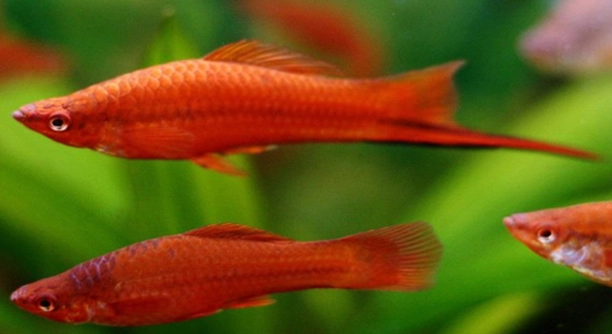
Have you ever watched your swordtails swim around and wondered if they’re simply exploring or actually enjoying themselves through playful behavior?
Swordtails do engage in playful-like behaviors, often seen chasing one another or exploring their environment. While these actions may not qualify as play in the human sense, they are signs of healthy, active fish behavior.
Understanding these behaviors can help you recognize what’s normal, what’s playful, and what could signal stress or discomfort.
Common Swordtail Behaviors That Look Like Play
Swordtails are active swimmers that often display behaviors which may seem playful. You’ll notice them darting across the tank, weaving through plants, or lightly chasing each other. These movements are not random—they are natural signs of curiosity and energy. Swordtails, especially in groups, are social and interact with each other regularly. This interaction can sometimes look like a game of tag, but it’s usually related to hierarchy, mating, or general exploration. Tank layout also influences their activity. Plants, rocks, and swimming space allow them to move freely and stay engaged. When swordtails are comfortable, they are more likely to stay active and interactive. Their behavior reflects their comfort level, which is often supported by proper care, stable water parameters, and good tank mates. Watching them in a well-maintained tank gives you a clear view of how these fish express themselves through motion, subtle chasing, and exploratory activity.
These behaviors are not meant for entertainment but help swordtails stay mentally and physically stimulated.
If your swordtails suddenly stop swimming actively or show signs of hiding too much, that may indicate stress or a problem in the tank.
What to Watch For in a Healthy Swordtail
Healthy swordtails swim with ease and interact calmly with tank mates. Quick darting, sudden hiding, or frayed fins can signal stress or aggression.
Watch for consistent movement across the tank, regular feeding, and minor chasing. These are signs your swordtail is relaxed and healthy. A balanced tank environment supports their well-being. Keep an eye on any change in routine. If they suddenly stop eating or hide more than usual, check the water parameters. Ammonia spikes or low oxygen levels can impact behavior. Tank mates also play a role. Aggressive fish or overstocking can stress your swordtails. Aim for calm, compatible species. Also, ensure you have enough space—crowded tanks reduce the chance for normal activity. Provide hiding spots but leave plenty of room for open swimming. Proper lighting and a stable schedule also help. A healthy swordtail should be active, display its colors well, and react calmly to its surroundings without signs of distress.
How Environment Affects Swordtail Behavior
A stimulating tank setup encourages more natural behavior in swordtails. When the environment supports their needs, they tend to stay active, swim freely, and show more interest in their surroundings.
Swordtails need a tank with plenty of space and hiding spots to stay active and engaged. Live plants, rocks, and decorations help create areas for them to explore and retreat when needed. These features reduce stress and promote healthier behavior. Avoid tanks that are too small or overcrowded. In such setups, swordtails may become inactive or aggressive. Water temperature and lighting also affect their comfort. A steady temperature between 72–82°F and moderate lighting help keep them active throughout the day. Regular tank maintenance keeps the water clean and parameters stable. A calm, structured environment supports their social behavior and allows them to exhibit their natural swimming patterns without fear or discomfort.
A peaceful tank with compatible species supports consistent and natural movement. Swordtails interact more freely when they’re not threatened by aggressive tank mates. Bright lighting should be balanced with shaded areas to help them feel secure. Strong water flow should be avoided, as it may limit their movement or lead to exhaustion. When swordtails feel safe, their behavior becomes more expressive. They’ll swim through different levels of the tank, pause in sheltered spots, or display brief chasing among tank mates. These are all normal. Their play-like movements increase when their surroundings allow for freedom, comfort, and stability. Environmental stress or disruptions often cause a quick change in this behavior. Keeping the tank layout consistent helps prevent unnecessary stress and keeps them active.
When Swordtail Activity Signals a Problem
Unusual activity like constant hiding or aimless swimming can mean something is wrong. Swordtails normally swim in a relaxed, steady manner. Erratic movements or avoiding food may be a sign of illness or discomfort.
Rapid gill movement, clamped fins, or changes in color can signal poor water conditions or illness. Always test the water when you notice these signs. Sudden changes in temperature, high ammonia, or nitrite levels can affect their behavior quickly. In some cases, stress from aggressive tank mates may also lead to hiding or unusual swimming patterns. Watch for torn fins or marks on the body. These signs often appear after repeated chasing or nipping. Isolation from the group is another concern. Swordtails are social and usually stay near others. If one separates itself, check for injury or sickness. Consistency in behavior helps you spot problems early. Maintaining clean water, good filtration, and a calm environment supports their long-term well-being.
How Tank Mates Influence Swordtail Behavior
Swordtails do better with peaceful tank mates. Aggressive or overly active fish can stress them and disrupt their natural behavior. Choose species that won’t chase or nip at their fins to keep the tank calm.
Compatible tank mates help swordtails stay relaxed and active. Good options include mollies, platies, and cory catfish. Avoid species known for territorial or aggressive behavior. A peaceful environment supports natural swimming and social interaction.
Best Ways to Encourage Play-Like Behavior
Provide plenty of space and visual variety. Plants, driftwood, and rocks create a more interesting tank and help swordtails stay mentally stimulated. They enjoy swimming around structures and exploring new areas. A varied environment encourages healthy movement. Use floating plants for shade and small objects for gentle hiding spots. Keep the layout simple but engaging. Feeding live or frozen food occasionally can also spark more activity. It adds stimulation and gives them a reason to search and move differently during feeding. Stick to a regular light cycle and avoid loud external disturbances. This stability keeps them active and comfortable.
Final Thoughts on Swordtail Play
Swordtails express their comfort through movement and interaction. With the right setup and care, their natural behavior becomes more visible and enjoyable to observe.
FAQ
Do swordtails need tank mates?
Swordtails are social fish and generally do well in groups. While they can live alone, they thrive when kept with other peaceful species. A group of swordtails will often engage in more natural behaviors, including chasing and swimming together. Tank mates should be non-aggressive to ensure a peaceful environment. Overcrowding should be avoided, as it can lead to stress and fighting. Swordtails are also compatible with other livebearers like mollies and guppies. Having a community tank with calm fish will help swordtails feel more secure and active.
What should I feed swordtails to keep them active?
Swordtails need a varied diet to stay healthy and active. Their primary diet consists of high-quality flake food or pellets designed for tropical fish. You can supplement their diet with live or frozen food like brine shrimp, daphnia, and bloodworms. Offering a variety of foods encourages them to swim more in search of their next meal, keeping them engaged. Also, adding plant matter, such as algae wafers or blanched vegetables, is beneficial for their overall health. Avoid overfeeding as it can lead to poor water quality, which may reduce their activity levels. Proper feeding supports their natural behavior and maintains their energy.
How much space do swordtails need in a tank?
Swordtails need enough space to swim freely. The minimum recommended tank size for a small group of swordtails is 20 gallons. For every additional swordtail, consider adding another 5 gallons to the tank. Providing plenty of swimming space helps reduce stress, which supports their natural, playful behavior. Overcrowding can cause aggression and limit movement, making the tank feel cramped. In larger tanks, swordtails will have more space to explore and interact with other fish. A spacious, well-maintained tank encourages swordtails to stay active and healthy.
Why do swordtails chase each other?
Chasing is a common behavior among swordtails. It usually involves males chasing females, especially during mating season. Males are often more active and may chase each other to establish dominance. This behavior is part of their natural social structure and is often harmless. However, prolonged chasing, especially if it leads to fin nipping, may indicate territorial issues or stress. If the behavior is excessive, it might be due to overcrowding or incompatible tank mates. Make sure there are enough hiding spots to allow the swordtails to retreat if they feel threatened.
Are swordtails prone to any diseases?
Swordtails are relatively hardy, but they can still fall victim to common fish diseases. These include Ich (white spot disease), fin rot, and fungal infections. Poor water quality is often the main cause of illness. Keeping water parameters stable and performing regular water changes will help prevent these problems. If you notice symptoms like white spots, clamped fins, or unusual swimming behavior, it’s essential to act quickly. Using aquarium salt for minor infections can help, but severe cases may require treatment with specific medications. Always quarantine new fish before adding them to your tank to prevent the introduction of diseases.
How can I tell if my swordtail is stressed?
Stress in swordtails can be caused by several factors, including poor water conditions, aggression from tank mates, or overcrowding. Signs of stress include erratic swimming, hiding more often than usual, clamped fins, loss of color, or excessive rubbing against objects. Stress can weaken their immune system, making them more susceptible to illness. To reduce stress, maintain a stable tank environment with proper filtration, temperature, and water quality. Ensure they have enough space and hiding places and avoid sudden changes in their environment.
Do swordtails prefer planted tanks?
Swordtails enjoy tanks with plants. They use plants as shelter, which gives them places to hide and explore. Live plants improve water quality by absorbing excess nutrients and providing oxygen, which helps swordtails stay healthy. They also help create a more natural and engaging environment. While swordtails don’t need plants to be active, adding plants encourages them to move around more, exploring different areas of the tank. Floating plants can provide shade, while rooted plants offer hiding spots. If you have live plants, make sure they’re not easily uprooted, as swordtails might nibble on them or disturb them.
Can swordtails live with other types of fish?
Swordtails are peaceful and social fish that can live with a variety of tank mates. However, compatibility depends on the species you choose. They do best with other non-aggressive fish that won’t nip at their fins. Some good tank mates include other livebearers like platies and mollies, as well as species like tetras, corydoras, and peaceful barbs. Avoid keeping swordtails with aggressive fish, such as larger cichlids, which may bully or harm them. It’s also important to ensure that the fish have similar water temperature and pH preferences to keep the tank peaceful and harmonious.
What temperature should swordtails live in?
Swordtails thrive in warm water temperatures between 72°F and 82°F. They are tropical fish and require a stable environment to stay healthy and active. Fluctuating temperatures can stress swordtails, affecting their immune system and overall behavior. If you live in an area with cooler temperatures, it’s a good idea to use an aquarium heater to maintain a constant temperature. A thermometer can help you monitor the water closely. Additionally, swordtails appreciate a moderate light cycle to mimic their natural day-night rhythm, which also supports their active behavior.
How do I know if my swordtail is pregnant?
Female swordtails can become pregnant, as they are livebearers. Pregnancy is often noticeable when the female’s abdomen swells, and you may see a dark spot near the back of her belly. This spot is the developing fry, and it grows larger as the pregnancy progresses. Swordtails have a gestation period of about 28 to 30 days. If you notice that your female is becoming more sluggish or hiding more often, it’s a sign that she might be getting ready to give birth. After giving birth, it’s important to remove the fry or provide hiding spots to protect them from being eaten by the adults.
Final Thoughts
Swordtails are active, social fish that thrive in well-maintained tanks with peaceful tank mates. Their playful nature is often seen when they have enough space to swim and explore. By providing a variety of hiding spots and plants, swordtails can express their natural behaviors. Their social interactions with other peaceful fish are essential for their overall well-being. It’s important to choose compatible tank mates to prevent stress and aggression. Proper care ensures that swordtails will remain active and healthy.
Maintaining water quality is crucial for swordtails to remain healthy and active. Regular water changes and proper filtration help keep the water free from harmful substances. Swordtails are hardy, but they are still susceptible to illness if the water conditions are not optimal. Keeping the tank at a stable temperature and monitoring water parameters is key to supporting their natural behavior. Providing a varied diet also helps them stay active, with live or frozen food encouraging foraging and exploration. Balanced feeding and good water conditions are the foundation of a healthy tank environment.
Overall, swordtails are engaging fish that offer plenty of entertainment with their playful behavior. They are easy to care for once their basic needs are met. Whether kept in groups or with other compatible fish, swordtails add a lively dynamic to any aquarium. With the right environment, proper feeding, and careful tank mate selection, swordtails can thrive and provide enjoyment for years. Their social nature and active behavior make them a great choice for aquarium enthusiasts looking for an interactive fish species.

Hello,
If you enjoy the content that we create, please consider saying a "Thank You!" by leaving a tip.
Every little bit helps us continue crafting quality advice that supports the health, happiness, and well-being of pets around the world, for pets of all shapes, sizes, and species.
We really appreciate the kindness and support that you show us!