
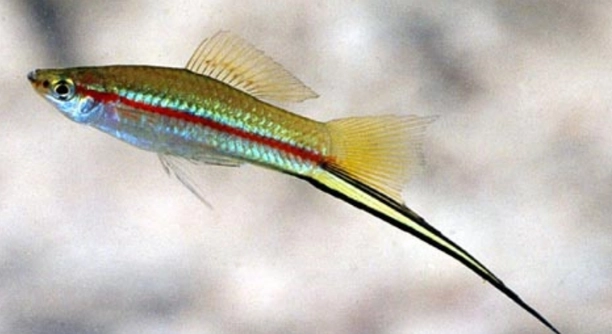
Swordtails are popular aquarium fish known for their vibrant colors and active personalities. As a pet owner, ensuring their happiness is key to keeping them healthy and lively. It’s important to understand the signs of a satisfied swordtail.
A happy swordtail will show active and energetic behavior, have bright colors, eat well, and interact with tank mates. Healthy water conditions, a balanced diet, and adequate space are essential for maintaining your swordtail’s happiness.
These simple signs will help you recognize when your swordtail is thriving. Understanding their needs can enhance their overall well-being, allowing you to create a supportive environment for them. Keep reading to discover more ways to keep your swordtail happy.
Your Swordtail’s Activity Level
Swordtails are active fish, so a happy one will swim around the tank, explore different areas, and interact with other fish. If you notice your swordtail being unusually lethargic or hiding for long periods, this could be a sign something is off. They prefer to stay busy, swimming through plants or hiding spots, making sure they have plenty of space to move around. Regular movement helps maintain their physical health.
A swordtail’s playful behavior shows it’s content with its environment. If your fish consistently swims in different areas of the tank, it’s likely feeling good.
It’s important to watch how much your swordtail is swimming. If it’s staying in one spot for long periods, this could indicate stress, illness, or discomfort in the tank. A happy swordtail will happily chase after food, move around its territory, and show interest in its surroundings. Keeping the tank clean and free from stressors like overcrowding or extreme temperatures can keep your swordtail active and thriving. Regularly check for any changes in behavior, as this can indicate something needs adjustment in the tank.
The Importance of Bright Colors
Swordtails are known for their bright, vibrant colors, which are often a sign of a happy, healthy fish. If your swordtail’s colors begin to dull or appear faded, it might be a sign of stress or illness.
Bright and vibrant colors indicate your swordtail is well-cared for, receiving the right diet, and living in ideal water conditions. Healthy water and a balanced diet are crucial to maintaining those beautiful hues. If you notice the colors fading, check the water quality and temperature, as these could affect your fish’s appearance. Regular water changes, along with providing a proper nutritional balance, will help maintain your swordtail’s natural beauty. A healthy swordtail’s colors will glow, and its overall appearance will stay lively.
Healthy Appetite
A swordtail with a healthy appetite is a good indicator that it’s content. If your fish is consistently eager to eat and shows interest in food, it’s a sign of a happy, healthy fish.
Swordtails typically enjoy a varied diet, including pellets, flakes, and live foods like brine shrimp. If your swordtail is eating well and regularly, it’s a clear sign that its environment is suitable. However, if it suddenly loses interest in food, it may indicate stress, illness, or poor water conditions. A healthy swordtail will not only eat but also actively look for food during feeding times. It’s essential to feed them the right amount of food to avoid overfeeding, as this can lead to water quality issues.
Keep an eye on their eating habits, and make sure the food you provide is nutritious. If your swordtail refuses food for several days, take a closer look at water parameters and tank conditions. Healthy eating is one of the simplest ways to tell if your swordtail is happy.
Tankmates and Social Behavior
Swordtails are generally peaceful fish and thrive in a community setting. If your swordtail interacts well with other fish, it’s a good sign that it’s happy.
A swordtail’s behavior toward its tankmates should be calm, with occasional playfulness. If you see your swordtail schooling with other fish or exploring together, this is a positive indicator of well-being. However, if your swordtail becomes aggressive or overly shy, it may be experiencing stress. Tankmates should be chosen carefully, as some species can cause aggression or disruption to the peaceful nature of swordtails.
In addition to interacting with other fish, swordtails enjoy having enough space to establish their own territories. Providing hiding spots and plants can help them feel secure and reduce stress. Happy swordtails will show a comfortable and social behavior, whether alone or in a group. It’s important to monitor these interactions regularly to ensure your swordtail is thriving in its environment.
Clean Water Conditions
Happy swordtails need clean water to stay healthy. Poor water quality can quickly lead to stress or illness. Regular water changes are crucial to maintaining a stable environment for your fish.
Swordtails thrive in water that’s clean, well-filtered, and at the right temperature. Regularly test the water for ammonia, nitrate, and nitrite levels, and ensure the pH is suitable. Swordtails prefer slightly alkaline water, with a temperature between 72-79°F (22-26°C). If you notice your swordtail spending more time near the surface or appearing lethargic, it could be a sign of poor water conditions. Keep your tank properly filtered and perform water changes weekly to keep things in balance.
Proper water care helps swordtails feel more comfortable and reduces the risk of disease. Keeping a consistent routine for water maintenance will ensure your swordtail remains happy and healthy.
Proper Tank Size
Swordtails need enough space to swim and explore. A cramped tank can lead to stress, aggression, and health issues.
A minimum tank size of 20 gallons is recommended for swordtails, as it gives them room to move freely. Smaller tanks may cause overcrowding, which increases stress and reduces water quality. More space allows your swordtail to feel secure, especially when combined with plenty of plants or hiding spots. Keeping the right tank size can help prevent territorial disputes and ensure a peaceful environment. Additionally, it can help reduce waste buildup, keeping the water cleaner for longer.
Balanced Diet
A healthy, balanced diet keeps swordtails in good shape. Feeding them a variety of foods helps maintain their energy and colors.
Swordtails are omnivores, so a mix of plant and animal-based foods is ideal. Flakes, pellets, and live foods like brine shrimp or daphnia should make up their diet. Offering variety ensures they get all the necessary nutrients. Overfeeding can lead to water quality issues, so give them the right portions to avoid leftovers. Regular feeding is essential for maintaining your swordtail’s happiness and health, as well as keeping them active and vibrant. A well-fed swordtail will show more energy and better coloration.
FAQ
How do I know if my swordtail is sick?
Signs of illness in swordtails can include loss of appetite, faded colors, lethargy, or abnormal swimming behavior like staying at the bottom of the tank. Look for physical signs like clamped fins, lesions, or bloating. If your swordtail is showing any of these symptoms, check water quality and isolate the fish if necessary to prevent the spread of potential diseases.
What is the best temperature for swordtails?
Swordtails prefer a water temperature between 72°F and 79°F (22°C to 26°C). Keeping the water in this range promotes good health and activity. Temperatures that are too high or low can stress your swordtail and make it more susceptible to illness. Use a reliable aquarium heater and thermometer to maintain a stable environment.
Can swordtails live with other fish?
Yes, swordtails are generally peaceful and can live with other fish that have similar care needs. Avoid aggressive species that might stress or harm your swordtail. Suitable tank mates include other livebearers, small peaceful community fish, and some bottom-dwelling species. Always ensure there is enough space and hiding spots in the tank to reduce stress.
How often should I feed my swordtail?
Feed your swordtail once or twice a day, offering only as much food as it can eat in 2-3 minutes. Swordtails can overeat, so be mindful of not overfeeding. A varied diet of flakes, pellets, and occasional live food keeps them healthy. Overfeeding can lead to water quality problems, so be sure to remove any uneaten food after feeding.
What should I do if my swordtail is hiding a lot?
Swordtails may hide due to stress, illness, or an unsuitable environment. First, check the water quality, temperature, and tankmates. Stress can be caused by aggressive tankmates or poor water conditions. If your swordtail is hiding because of illness, isolate it and seek advice from an aquarium expert or veterinarian.
Can swordtails live in a tank without plants?
Swordtails prefer a tank with plants, as they provide hiding spots, help reduce stress, and mimic their natural habitat. However, if you don’t have live plants, adding decorations or artificial plants can help create hiding places. Providing a natural environment helps swordtails feel secure and encourages more active behavior.
Why is my swordtail’s tail damaged?
Tail damage can occur due to fighting, aggressive tankmates, or even poor water conditions. If your swordtail is getting bullied by other fish, it’s essential to rearrange the tank layout to reduce territorial issues. Keeping the water clean and ensuring a balanced tank environment can also help prevent injury and promote healing.
What should I do if my swordtail is pregnant?
When your swordtail is pregnant, you can expect it to give birth to live young, usually in about 4 to 6 weeks. Pregnant swordtails will often have a noticeably swollen belly, and you may see a dark spot near the anal fin. To ensure the health of both the mother and babies, consider setting up a separate breeding tank or providing plenty of hiding spots for the fry. After birth, the fry will need small food like infusoria or crushed flakes. If you don’t want the fry, remove the mother after she gives birth to prevent further breeding.
How can I prevent my swordtail from getting sick?
Prevent illness in your swordtail by maintaining a clean tank, providing a balanced diet, and ensuring stable water conditions. Regular water changes, testing the water regularly, and avoiding overcrowding will reduce the risk of disease. Quarantine new fish before introducing them to your main tank to prevent the spread of potential illnesses. A well-maintained environment is key to keeping your swordtail healthy.
How long do swordtails live?
Swordtails typically live for 3 to 5 years, but this can vary depending on water quality, diet, and overall care. Keeping them in ideal conditions with regular water changes, proper filtration, and a balanced diet will help maximize their lifespan. Regularly monitor their behavior and health to catch any issues early.
Are swordtails easy to care for?
Swordtails are relatively easy to care for, making them ideal for beginner fishkeepers. They require clean water, a balanced diet, and a peaceful environment. While they are hardy, they do need attention to water parameters, feeding, and occasional tank maintenance. Keeping their environment stable will ensure they stay healthy and happy.
Can swordtails live in freshwater?
Yes, swordtails are freshwater fish and thrive in non-salty environments. They do well in a range of freshwater tanks, as long as the water parameters are appropriate. Ensure the water is well-filtered, with the correct pH, temperature, and hardness for swordtails to thrive. They are not suited for brackish or saltwater tanks.
Why does my swordtail swim at the surface?
Swordtails may swim at the surface for a variety of reasons. It could be looking for food or more oxygen, especially if the tank has low oxygen levels. If this behavior is excessive, it could indicate poor water quality or an issue with oxygen levels. Ensure the tank has good filtration and consider adding an air stone if necessary.
What are the signs of stress in swordtails?
Stress in swordtails can manifest through behaviors like hiding, abnormal swimming patterns, aggression, or loss of appetite. Stress may be caused by poor water quality, overcrowding, or incompatible tankmates. To reduce stress, ensure the water is clean, the temperature is stable, and your swordtail has enough space to thrive.
Final Thoughts
Taking care of a swordtail involves understanding its needs and providing the right environment to keep it happy and healthy. These fish are relatively easy to care for, but they do require clean water, proper diet, and a peaceful environment. By observing their behavior, you can easily tell when they are content and thriving. Active swimming, bright colors, and a good appetite are all signs that your swordtail is in a healthy state.
Swordtails are social creatures and do well when they have enough space to swim and interact with other fish. It’s important to ensure that your tank is large enough, especially if you plan to keep multiple swordtails. Overcrowding can lead to stress, which may cause health problems. It’s also essential to keep tankmates peaceful and compatible with your swordtail’s calm nature. Aggressive fish can cause stress and potentially harm your swordtail, so be mindful when choosing tankmates.
Regular maintenance is key to keeping your swordtail happy. Clean water, a balanced diet, and routine tank checks will go a long way in preventing common issues. Remember that small changes in behavior, such as reduced activity or loss of appetite, can be early signs of trouble. By staying on top of your swordtail’s needs, you’ll not only enjoy watching them thrive but also ensure they live a long and healthy life.

Hello,
If you enjoy the content that we create, please consider saying a "Thank You!" by leaving a tip.
Every little bit helps us continue crafting quality advice that supports the health, happiness, and well-being of pets around the world, for pets of all shapes, sizes, and species.
We really appreciate the kindness and support that you show us!