
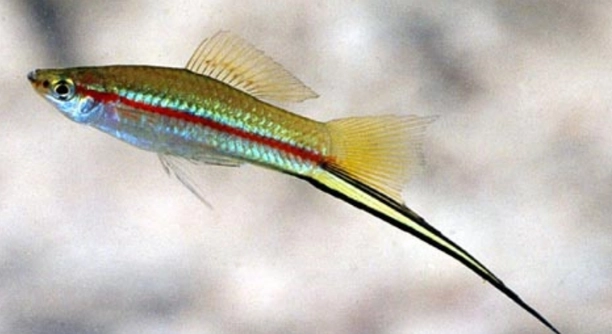
Swordtails are popular freshwater fish known for their active swimming and vibrant colors. As a fishkeeper, you may wonder what type of tank is best suited for them. Is a long tank better than a tall one?
Swordtails tend to prefer long tanks over tall ones. This is because they require plenty of horizontal swimming space to stay healthy and happy. A longer tank allows them to move freely, reducing stress and encouraging natural behaviors.
The tank’s shape can make a noticeable difference in the well-being of your swordtails. By understanding how tank dimensions impact their health, you can provide a better environment for them to thrive.
Why Tank Shape Matters for Swordtails
The shape of your swordtail’s tank affects their overall well-being. These fish enjoy moving around, and a long tank allows them to swim from one end to the other with ease. In contrast, tall tanks offer limited space for horizontal movement. Swordtails are naturally active, and their health can decline in cramped spaces. They are also more likely to become stressed in tanks that restrict their movements, which can lead to aggressive behavior or even illness. A long tank, offering room to swim freely, mimics their natural habitat and supports their energy levels.
The extra space in a long tank helps swordtails feel more secure and less confined.
If you keep them in a tank that is too tall, they might feel restricted. This lack of space affects their behavior, making them more hesitant and less active. Long tanks also provide more surface area for water movement, which improves oxygen levels and filtration. The more oxygen available, the healthier your fish will be. Swordtails are more likely to breed in tanks that meet their needs, and a long tank can support a better breeding environment.
The Best Tank Dimensions for Swordtails
For swordtails, tank dimensions are just as important as water conditions. A minimum of 30 gallons with a length of around 36 inches is ideal for a small group. Larger tanks offer even more benefits, providing ample space for swordtails to swim and interact. They need more space to maintain their activity levels, so choosing the right dimensions will improve their health and reduce stress. Avoid overcrowding, as this will lead to a decrease in water quality, which can affect their behavior and overall well-being.
Swordtails thrive when they have the space to swim freely.
Impact of Tank Height on Swordtails
Swordtails prefer swimming horizontally. A taller tank forces them to swim vertically, which is not natural for them. It can also create unnecessary stress because the fish have limited space to move around. This can lead to increased aggression, less interaction, and an overall decline in health. A tall tank may also cause water stagnation in certain areas, which isn’t ideal for keeping the water clean and oxygenated.
While a taller tank might look appealing, it’s not the best option for swordtails. These fish need a tank where they can move freely, swim comfortably, and interact with each other. Taller tanks don’t meet those needs. The limited horizontal space prevents swordtails from swimming as they naturally would in the wild. Over time, this will lead to unhealthy fish that are more prone to stress and disease.
A taller tank also tends to have less surface area, limiting the oxygen exchange needed for swordtails to thrive. These fish need good water circulation and surface movement to breathe efficiently. So, when considering tank height, it’s important to prioritize horizontal space over vertical space.
Tank Size vs. Number of Swordtails
Swordtails are social creatures and thrive in groups. When deciding on tank size, it’s crucial to consider how many fish you plan to keep. A 30-gallon tank is suitable for a small group of swordtails, but overcrowding can quickly lead to water quality issues. The more swordtails you have, the larger the tank should be to ensure that each fish has enough space. Keeping too many in a small tank will stress them out and increase the risk of disease.
The size of the tank is equally important when adding new swordtails to the mix. A tank that is too small for a larger group of swordtails will create stress and competition for space. Swordtails need ample room to swim freely and establish territories. A crowded tank leads to poor water quality and could make your fish more susceptible to illness. Always plan for a larger tank if you want to increase the number of swordtails in your aquarium. A spacious tank will ensure the fish are active and healthy.
Importance of Tank Maintenance
Regular tank maintenance is vital for keeping your swordtails healthy. Clean water is essential for their well-being, and a tank with good filtration helps maintain water quality. Regular water changes, cleaning the filter, and monitoring water parameters will ensure that swordtails thrive in their environment.
Without proper tank maintenance, your swordtails may experience stress and illness. Poor water quality can lead to harmful toxins building up, affecting the fish’s health. By maintaining a clean tank, you reduce the risk of disease and keep your swordtails happy and active. Healthy water means healthy fish.
Choosing the Right Filter for Your Tank
A good filtration system helps keep your swordtail’s environment clean by removing waste and toxins. A filter that is too weak may fail to keep the water clean, while one that is too strong can create strong currents that stress out the fish. Be sure to choose a filter that matches your tank size and swordtails’ needs. Regular filter cleaning is also crucial for maintaining water quality.
Tank Decorations and Swordtail Comfort
Swordtails enjoy a well-decorated tank with plants and hiding spots. These fish are active and will explore their environment, so providing plenty of decorations helps them feel secure. Live plants, driftwood, and smooth rocks give them space to hide, creating a more natural habitat. It’s important to avoid sharp objects that could injure your swordtails while they swim.
FAQ
Do swordtails need a filter in their tank?
Yes, swordtails require a filter in their tank. A filter helps keep the water clean by removing waste, uneaten food, and toxins. Without a filter, waste can build up quickly, leading to poor water quality and unhealthy conditions for your swordtails. It’s essential to choose a filter that matches the size of your tank and doesn’t create too strong of a current, as swordtails prefer calm water. Regular filter maintenance, like cleaning or replacing the media, is also important for keeping the water clean and the fish healthy.
Can swordtails live with other fish?
Swordtails are peaceful fish that can live with many other species. They do well in a community tank, especially with other peaceful fish like guppies, mollies, and tetras. However, avoid aggressive species that may pick on swordtails or compete for space and food. Swordtails are social creatures, so having at least a small group of them together will help reduce stress. Make sure the tank is large enough for all the fish to have enough space and resources. It’s important to monitor how different species interact to ensure a peaceful environment.
How often should I feed my swordtails?
Swordtails should be fed once or twice a day, depending on their age and the amount they consume. It’s best to feed them small amounts of food that they can eat in a few minutes. Overfeeding can lead to water pollution, which can affect the health of your fish. Swordtails are omnivores and will eat a variety of foods, including high-quality flakes, pellets, and frozen or live foods like brine shrimp. Make sure to remove any uneaten food after 5–10 minutes to prevent it from decomposing in the tank.
What is the ideal water temperature for swordtails?
Swordtails prefer a water temperature between 72°F and 82°F (22°C to 28°C). They thrive in warmer water, but extreme heat or cold can stress them out. Sudden changes in temperature can lead to health problems, so try to keep the water temperature stable. Using a reliable aquarium heater can help maintain the right conditions for swordtails, especially if you live in a region with fluctuating temperatures. Always check the water temperature regularly using an aquarium thermometer.
Do swordtails need live plants in their tank?
While live plants are not a strict necessity, they can provide many benefits for swordtails. Live plants offer hiding spots and make the tank feel more natural, which helps reduce stress. They also help with water quality by absorbing nitrates and providing oxygen. Swordtails enjoy swimming around plants, and they can even use the plants as a place to rest. If you choose to add live plants, make sure they are compatible with the water conditions and temperature that swordtails prefer.
How can I tell if my swordtail is pregnant?
Pregnant swordtails can be identified by a visible bulge in their abdomen, particularly as they near the end of their pregnancy. Female swordtails carry the young for about 28 days, and as the birth approaches, the abdomen will become round and large. You may also notice that the female becomes more reclusive and spends more time hiding. Once the baby swordtails, or fry, are born, the female may appear slimmer. If you want to protect the fry, consider having a separate breeding tank or some type of breeding box to ensure the babies are safe from being eaten by other fish.
How can I breed swordtails?
To breed swordtails, you’ll need at least one male and one female. Swordtails are livebearers, meaning the female will give birth to fully formed baby fish instead of laying eggs. The ideal breeding tank should have a temperature between 76°F and 80°F (24°C and 27°C), and the water should be clean with proper filtration. Providing hiding spots for the pregnant female and the fry is important, as adult swordtails may eat their young. After mating, the female will carry the fertilized eggs inside her for about a month before giving birth. Once the fry are born, move them to a separate tank or use a breeding box to prevent them from being eaten.
Do swordtails need a lot of swimming space?
Yes, swordtails are active swimmers and need plenty of horizontal space to move around. A long tank is better for them than a tall tank, as it provides more room for swimming. Swordtails are territorial, and they enjoy having enough space to explore and interact with their tank mates. A cramped tank can cause stress and aggression. To keep your swordtails happy and healthy, ensure they have a minimum of 30 gallons of space for a small group, with more room required for larger groups.
Can swordtails live in a tank without a heater?
Swordtails prefer a warmer temperature range, so a heater is recommended for their tank. While swordtails can tolerate slight variations in temperature, they will thrive best in a stable, warm environment between 72°F and 82°F (22°C to 28°C). If you live in a warm climate or keep the tank in a room that stays consistently warm, you may not need a heater. However, if the temperature fluctuates or gets too cold, using a heater will help maintain the proper water conditions for swordtails. A good aquarium heater also ensures that the temperature remains constant, which reduces stress on your fish.
How long do swordtails live?
Swordtails typically live for about 3 to 5 years with proper care. Their lifespan can vary depending on the water quality, tank conditions, diet, and overall care they receive. Keeping the water clean, maintaining stable temperature conditions, and avoiding overcrowding can help your swordtails live a longer and healthier life. If you notice any signs of illness, such as lethargy, loss of appetite, or unusual behavior, addressing the issue quickly can prevent long-term health problems and extend their lifespan.
Final Thoughts
When it comes to choosing the right tank for your swordtails, size and shape matter. Swordtails are active fish that need enough space to swim freely. A long tank provides the horizontal swimming area they need, while a tall tank can restrict their movement. By selecting the right tank, you create an environment that allows your swordtails to thrive. This helps keep them healthy and happy, which is essential for their well-being. Choosing the correct tank dimensions will prevent unnecessary stress, which can affect their behavior and health.
Maintaining the tank is just as important as the size. Regular water changes, cleaning the filter, and monitoring the water parameters are necessary to keep your swordtails healthy. Poor water quality can lead to diseases and stress, which makes it harder for your swordtails to live a long and happy life. By providing a stable, clean environment, you give your fish the best chance to thrive. Remember, swordtails are social creatures and should be kept in groups to avoid loneliness and stress. A healthy and well-maintained tank benefits both you and your swordtails, ensuring they stay active and vibrant.
Ultimately, providing the right tank setup, maintenance, and care ensures a comfortable life for your swordtails. Whether you’re new to fishkeeping or have experience, understanding their needs is key to making their home as suitable as possible. With the right tank size, proper water conditions, and tankmates, your swordtails will flourish. A little extra effort goes a long way in creating a peaceful, thriving aquarium. Keep these tips in mind to create the best environment for your swordtails and enjoy their colorful, lively presence for years to come.

Hello,
If you enjoy the content that we create, please consider saying a "Thank You!" by leaving a tip.
Every little bit helps us continue crafting quality advice that supports the health, happiness, and well-being of pets around the world, for pets of all shapes, sizes, and species.
We really appreciate the kindness and support that you show us!