
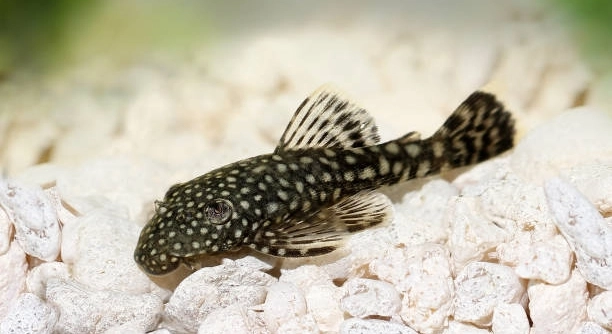
Plecos are fascinating creatures, known for their algae-eating habits and unique behaviors. However, they can sometimes become fixated on a particular spot in the tank, which can leave many wondering what attracts them to certain areas.
Several factors can draw a pleco to a specific spot, including the presence of algae, shelter, water conditions, or food sources. The pleco’s natural instincts often lead it to areas where these elements are abundant, contributing to its behavior.
Understanding what influences your pleco’s spot selection can help improve your tank’s environment and care. Exploring these factors will ensure your pleco’s comfort and well-being.
Algae and the Pleco’s Natural Instincts
Plecos are known for their love of algae. In the wild, they often stick to areas with abundant algae, scraping it off surfaces to eat. In your tank, they’ll do the same. A spot with algae buildup can become a prime location for them to stay for hours. Plecos are very efficient at cleaning surfaces, and their behavior can make them linger longer where algae is thickest. Algae is easy to find in places like rocks, tank glass, and even decorations.
If your pleco is spending a lot of time in one spot, it’s likely because there’s enough algae to keep it occupied. It’s a natural part of their routine to seek out these food sources. Keeping algae under control is important if you want to encourage your pleco to move around more.
You can encourage healthy algae growth in specific areas of the tank, which can help keep your pleco in the best possible spots. Ensure that there are plenty of surfaces for it to graze on, and your pleco will stay active and happy.
The Role of Shelters and Hiding Places
Plecos feel more secure when they have a safe place to hide. They tend to gravitate towards spots with caves, driftwood, or any hiding space. These shelters give them a sense of security and protection.
Providing hiding spots in your tank can help your pleco stay calm and relaxed. A pleco may choose a specific hiding area over time, especially if it’s cozy and sheltered enough for them to feel at ease. It’s a natural instinct for plecos to seek shelter during the day when they’re not actively feeding.
Properly placing shelters can give your pleco an ideal spot to rest. Driftwood or caves are especially useful, as they not only provide hiding spots but also help mimic the pleco’s natural environment. When given these safe zones, your pleco will likely feel more comfortable and less stressed, allowing for better overall health.
Water Conditions and Their Impact on Behavior
Plecos are sensitive to changes in water conditions, such as temperature, pH, and water hardness. A stable environment encourages them to explore and move freely. If the water quality is off, they may become more focused on staying in one spot.
When water parameters shift, plecos may become stressed. For example, if the water is too warm or too cold, they might seek areas that are more comfortable. This can cause them to stay in a certain part of the tank where they feel less stressed. It’s important to maintain stable water conditions for their overall well-being.
If you notice your pleco lingering in one spot for too long, it’s worth checking your water conditions. Ensure the temperature is in the correct range for the species, and that the pH and hardness are also balanced. Regular water changes and consistent monitoring can help prevent this issue.
Tank Size and Pleco Movement
Tank size is another factor that impacts your pleco’s movement. In smaller tanks, plecos may feel limited in space and therefore stick to one spot more often. A larger tank offers more room for them to roam and explore.
Plecos are territorial animals by nature, and while they’re not overly aggressive, they do appreciate having enough space. In a crowded tank, they may feel the need to claim a spot and stay put. Providing a larger tank gives your pleco more freedom to move around and find food sources.
A spacious tank ensures your pleco has room to roam freely, reducing the chance of it staying in one area for too long. When planning your setup, remember that plecos can grow quite large and require plenty of swimming space.
Food Availability
Plecos are opportunistic feeders and will stay near areas with a steady food source. If they find a spot where food is abundant, they are likely to linger there. This is especially true if there are algae or uneaten food around.
If your pleco is sticking to one spot, check if there’s food available nearby. Plecos will often remain where they feel they can easily feed. In the case of algae, they may return to the same spot repeatedly to graze. Keeping the tank clean and ensuring food is well-distributed can encourage movement.
Lighting and Tank Visibility
Plecos can be sensitive to lighting. Bright lights may cause them to hide, while dimmer areas might make them more active. If you notice your pleco staying in a dimly lit area, it could be because they feel more comfortable there.
Adjust the lighting to suit the pleco’s preference for low-light environments. They are naturally nocturnal, so they tend to stay active in lower light conditions. If the tank lights are too harsh, it may be best to reduce the brightness to encourage movement.
Tank Decor and Surfaces
Tank decorations like rocks, plants, and driftwood can heavily influence where a pleco decides to stay. They often prefer spots with surfaces they can cling to. Plecos are equipped with specialized mouths to attach themselves to smooth surfaces.
By adding more structures like driftwood or rocks, you can give your pleco more surfaces to attach to. Plecos often seek out areas where they can find secure places to rest, especially if they feel safe. The right kind of decor can make a huge difference in their behavior.
FAQ
Why does my pleco stay in one spot?
A pleco might stay in one spot for various reasons. The most common reason is the presence of food, like algae or uneaten food in that area. Plecos are natural grazers and will often stick to a spot where they can feed easily. Another reason could be the pleco’s preference for hiding. If the spot offers a safe, sheltered space, it may stay there for protection. Lastly, water conditions such as temperature or pH might make the pleco feel more comfortable in a particular area. Ensuring stable water quality and a clean environment can encourage your pleco to explore.
How can I encourage my pleco to move around more?
To encourage your pleco to move around, you can try a few things. First, make sure there’s a variety of surfaces for it to graze on, such as rocks, driftwood, or tank decorations. Second, consider adjusting the lighting. Plecos tend to prefer dimmer environments, so providing areas with softer lighting might encourage movement. Lastly, ensure that your tank is large enough for your pleco to feel comfortable. A crowded tank may make it feel confined, leading it to stay in one spot. Regularly clean the tank and maintain optimal water conditions to promote overall activity.
How can I tell if my pleco is stressed?
Stress in plecos can show up in several ways. A stressed pleco might stop eating, become less active, or hide more frequently. It could also display abnormal behaviors like scratching against surfaces or swimming erratically. Changes in color, like fading or darkening, can also be a sign of stress. If your pleco is staying in one spot and shows signs of discomfort, check the water conditions immediately. High levels of ammonia, nitrites, or extreme temperature fluctuations are common stressors. Ensuring a calm environment with consistent water quality is key to a healthy, happy pleco.
Can a pleco be overfed?
Yes, plecos can be overfed. Overfeeding can lead to excess waste in the tank, which can affect the water quality and stress your pleco. If you feed them too much, leftover food can rot and create harmful ammonia spikes. Plecos are bottom feeders and naturally graze on algae and leftover food. Offering them a balanced diet in moderation, including algae wafers, vegetables like zucchini, and occasional protein sources, is best. Remember, plecos don’t need to be fed every day—feeding them 2-3 times a week is often enough, depending on their size and tank environment.
What should I do if my pleco isn’t eating?
If your pleco isn’t eating, it could be a sign of stress, illness, or poor water conditions. First, check the water parameters like temperature, pH, and ammonia levels. Unstable or poor water conditions can make plecos refuse food. Next, examine the food you’re offering. Plecos need a variety of food options, including algae wafers, vegetables, and occasional protein. If your pleco refuses food, it might also be a sign of illness or stress. In such cases, it’s best to isolate it in a quarantine tank and consult with a vet to rule out any health problems.
How often should I clean my pleco’s tank?
Plecos are naturally clean creatures, but their tank still needs regular maintenance. You should clean the tank at least once a week by removing any uneaten food and vacuuming the substrate. Perform partial water changes of about 25-30% each week to maintain water quality. The tank’s filter should also be cleaned monthly, but never clean the filter and perform water changes on the same day, as it could disrupt the tank’s ecosystem. Keeping the tank clean helps ensure the pleco has a healthy environment and can reduce the likelihood of stress or disease.
Can plecos live with other fish?
Yes, plecos can live with other fish, but it depends on the species of fish. Plecos are generally peaceful and prefer to stay to themselves, but some types may get territorial, especially if the tank is small. It’s important to choose tank mates that won’t harass the pleco or compete for the same resources. Good companions for plecos are larger, calm fish that aren’t aggressive or overly territorial. Avoid keeping plecos with small or fin-nipping fish, as they might become stressed or hurt. Always monitor the tank to ensure all species coexist peacefully.
Why does my pleco hide all the time?
Hiding is a common behavior in plecos, especially during the day when they are more nocturnal. Plecos feel more secure in dark, quiet spaces, which is why they often hide during the daytime. If your pleco is hiding too much, it could be due to stress, inadequate hiding spots, or poor water conditions. Ensure your pleco has plenty of safe spaces, like caves or driftwood, to retreat to. Additionally, check your water parameters. A stressed pleco might spend more time hiding, so maintaining stable, clean water is essential for their well-being.
Do plecos need to be in a tank with plants?
While plecos don’t strictly need live plants, they do benefit from them. Plants provide hiding spots, which can reduce stress and allow the pleco to feel more secure. They also help with the overall health of the tank by improving water quality. Plecos will occasionally nibble on plants, but they don’t usually damage them unless they’re particularly hungry or the plants are already weak. If you want to provide your pleco with plants, consider hardy species like Anubias or Java Fern, which are resistant to being eaten and thrive in pleco-friendly environments.
Why does my pleco’s skin look damaged or peeling?
Damaged or peeling skin on a pleco can be a sign of a bacterial infection or poor water quality. If the water conditions are not ideal, plecos can develop skin issues. Ammonia or nitrite spikes are common culprits that can cause skin damage. Infections can also occur from physical injuries or parasites. If you notice peeling skin, test the water quality immediately and do a partial water change. It’s important to remove any potential sources of injury, such as sharp decorations. If the condition persists, it’s best to consult with a vet for treatment.
Final Thoughts
Plecos are fascinating and low-maintenance fish, but understanding their behavior is important for their well-being. Their preference for certain spots in the tank can be influenced by various factors like food availability, shelter, water conditions, and tank size. By observing your pleco closely, you can gain a better understanding of why they might be staying in one area. It could be a natural behavior, or it could be a sign that something in the tank needs adjusting. Keeping an eye on their habits allows you to create an environment that suits their needs.
Maintaining stable water conditions is one of the most important aspects of keeping a healthy pleco. Plecos are sensitive to changes in water temperature, pH, and water hardness. Regular water changes, proper filtration, and keeping the tank clean can prevent many problems and reduce stress for your pleco. Also, providing enough space for your pleco to swim and explore will encourage it to stay active and healthy. The more natural and balanced the environment, the more likely your pleco will feel comfortable and move around rather than remain in one spot.
Ultimately, creating a tank that meets the needs of your pleco can make a big difference in its behavior. Pay attention to its feeding habits, ensure there are enough hiding places, and check water quality regularly. A healthy pleco will be more active and explore different areas of the tank, while a stressed pleco may remain in one spot. By understanding and responding to the factors that attract your pleco to certain areas, you can help it thrive in your tank for years to come.

Hello,
If you enjoy the content that we create, please consider saying a "Thank You!" by leaving a tip.
Every little bit helps us continue crafting quality advice that supports the health, happiness, and well-being of pets around the world, for pets of all shapes, sizes, and species.
We really appreciate the kindness and support that you show us!