
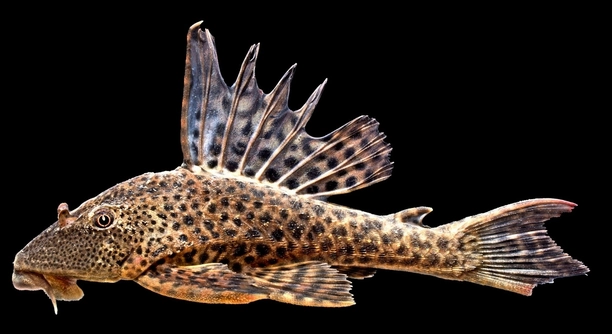
Plecos are popular aquarium fish known for their helpful algae-eating habits. To keep them healthy, it’s important to monitor their tank conditions. One key factor to watch is the pH level, which affects their well-being.
The pH level of your pleco’s tank is essential for their health. It should be checked regularly, especially after water changes or changes in temperature. Plecos thrive in stable, slightly acidic to neutral water, ideally between 6.5 and 7.5 pH.
Maintaining the right pH is crucial for your pleco’s overall health. This article will help you understand when and how to check the pH in your pleco’s tank to keep them thriving.
When You Perform a Water Change
Water changes are an important part of maintaining a healthy pleco tank. During water changes, the pH can shift due to the new water’s chemistry. It’s important to check the pH before and after replacing the water. If the water’s pH differs from your pleco’s preferred range, it can cause stress and even illness.
To avoid this, test both the old and new water before doing the change. If the pH of the new water is too different, consider adjusting it with buffers or conditioners before adding it to the tank. Regular testing will help you maintain a stable environment for your pleco.
Water changes often lead to pH fluctuations, especially if the source water is inconsistent. Monitoring and adjusting the pH levels of both the tank and replacement water ensures a smoother transition, helping your pleco adapt and thrive.
When You Add New Decorations
Adding new decorations to your pleco’s tank can impact the water chemistry. Materials like rocks, wood, or certain substrates can alter the pH levels. It’s essential to check the pH after adding any new items to the tank.
When adding new decorations, some materials may release substances that affect the tank’s pH. For example, driftwood can lower the pH over time as it releases tannins. Test the pH regularly after introducing new elements to avoid potential issues for your pleco. Keep an eye out for changes in the tank’s water as the decorations settle in.
When You Notice Unexplained Changes in Pleco Behavior
If your pleco starts acting differently, like hiding more or moving sluggishly, it could be due to stress caused by unstable water conditions. Check the pH right away to ensure it’s within a safe range. Changes in behavior often mean something is wrong with the environment.
Stress can cause plecos to stop eating, become lethargic, or hide in dark corners of the tank. A sudden shift in pH can lead to these behaviors, as plecos are sensitive to changes in their environment. If you notice these signs, take action quickly by testing and adjusting the water parameters to restore balance and improve their comfort.
You should also check for other water issues like ammonia, nitrite, or nitrate levels. A complete water test will help you understand what’s affecting your pleco and how to fix it. Keeping the water stable and within the proper range is key to avoiding further stress for your fish.
When You’re Dealing with Temperature Fluctuations
Rapid changes in water temperature can also impact the pH level. If the water warms up or cools down too much, the pH may shift. It’s best to test the pH when you notice a temperature change. Even minor shifts can lead to significant changes in water chemistry.
Plecos are sensitive to temperature swings, and these can directly affect their health. As the water temperature increases, it can cause the pH to drop, making it more acidic. Conversely, cooler temperatures can raise the pH. Monitoring both temperature and pH levels together helps maintain a more stable environment for your pleco.
Use a reliable thermometer to track temperature fluctuations in your tank. If you notice any shifts, test the pH to check if it has also changed. Correcting temperature changes quickly and testing the pH regularly will ensure your pleco remains comfortable and healthy.
When You Add New Fish
Introducing new fish to your tank can cause changes in the water’s pH. The introduction of new species may bring extra waste, which affects water chemistry. It’s a good idea to test the pH after adding any new fish.
New fish bring new variables, including changes in waste levels, which can impact the tank’s overall balance. As waste accumulates, it can cause the pH to drop. You’ll need to test the water to ensure it stays within the safe range for all the fish, including your pleco. If the pH level isn’t stable, make adjustments to ensure the new fish and pleco both remain comfortable.
When You Use Chemicals or Medications
Chemicals and medications used to treat tank illnesses can alter the pH. Whether it’s to address an infection or prevent disease, it’s important to test the pH after applying any treatment.
Certain treatments can increase or decrease the pH depending on their composition. Some medications raise the acidity in the water, while others can make it more alkaline. Always monitor your water parameters after using any product to ensure the pH doesn’t shift drastically, keeping your pleco and other fish safe.
When You Notice Algae Blooms
Algae blooms are often a sign of excess nutrients in the water. As algae grow, they can influence the pH levels. High nutrient levels, from overfeeding or poor filtration, can cause pH fluctuations. Regularly test the water during algae blooms.
Excess algae can lead to a drop in pH during the night when algae consume oxygen and release carbon dioxide. This can result in the water becoming more acidic. If you notice an algae bloom, it’s essential to test the pH and adjust the water parameters accordingly to keep it stable. Regular water changes and good filtration can help prevent future blooms.
FAQ
What pH level is ideal for plecos?
Plecos generally thrive in slightly acidic to neutral water, with a pH range of 6.5 to 7.5. Maintaining this pH is key to their health, as they are sensitive to large fluctuations. If the pH falls below 6.0 or rises above 8.0, plecos can experience stress, which may lead to health problems. To keep them comfortable, test the water regularly and make adjustments when necessary.
How can I adjust the pH in my pleco tank?
To adjust the pH, you can use products specifically designed to raise or lower pH levels. For a lower pH, adding driftwood or peat moss to the tank can help naturally acidify the water. If you need to raise the pH, you can use crushed coral or baking soda, but be careful with large adjustments as plecos need gradual changes. Testing frequently after adjustments will ensure the pH stays stable within the safe range.
Can the pH level affect my pleco’s appetite?
Yes, an unstable or unsuitable pH can affect a pleco’s appetite. When the water pH is outside their preferred range, plecos may become stressed, leading to a lack of appetite or refusal to eat. If your pleco is eating less or acting unusually, check the water’s pH and other parameters to rule out any environmental issues.
How often should I check my pleco’s tank pH?
Ideally, you should check the pH at least once a week to ensure it remains stable. If you perform a water change, add new decorations, or introduce new fish, it’s best to check the pH before and after these changes. Regular monitoring helps prevent sudden shifts that could negatively impact your pleco’s health.
What should I do if my pleco’s tank pH is too high?
If the pH in your pleco’s tank is too high, it may be causing the water to become too alkaline. Plecos prefer slightly acidic to neutral water, so high pH levels can lead to stress. To lower the pH, you can add natural materials like driftwood or peat moss, which slowly lower the pH over time. Avoid rapid changes, as plecos need a stable environment. Make gradual adjustments and monitor the pH regularly until it reaches the ideal range.
What should I do if my pleco’s tank pH is too low?
If the pH is too low, your pleco’s tank may be too acidic. This can stress the fish, leading to health problems. To raise the pH, you can use crushed coral, shells, or pH-raising additives. Make sure to raise the pH slowly to avoid shocking the pleco. Consistently monitor the water to ensure the pH remains stable. Regular water changes can also help restore balance.
Can I use tap water for my pleco’s tank?
Yes, you can use tap water for your pleco’s tank, but it’s important to test it first. Tap water can contain varying levels of minerals, chlorine, and other chemicals that may affect the pH and overall water quality. Let the water sit for 24 hours to allow chlorine to dissipate, and test the pH before using it. If necessary, you can adjust the pH to make it more suitable for your pleco.
What are the signs that my pleco is stressed due to pH issues?
Stress caused by incorrect pH can manifest in several ways. Your pleco may stop eating, hide more often, or show unusual swimming patterns. If the pH is off, they may become lethargic or display rapid gill movement. If you notice any of these signs, check the pH and other water parameters to identify the issue. Correcting the water’s pH will help reduce the stress.
Can I use pH buffers to maintain stability in my pleco’s tank?
Yes, pH buffers can help maintain a stable pH in your pleco’s tank. These products are designed to prevent sudden shifts in pH by providing a buffer that stabilizes the water’s acidity or alkalinity. When using a pH buffer, follow the manufacturer’s instructions to ensure you’re not over- or under-correcting. Regular testing will help keep the pH within the optimal range for your pleco.
How does the tank’s substrate affect the pH?
The substrate in your tank can have a direct impact on pH. For example, gravel and sand substrates may not affect the pH much, while certain types of rocks and minerals can either raise or lower the pH. If you’re using crushed coral or limestone in your substrate, it may cause the pH to rise. Always test the water after adding new substrate, as some materials can affect the pH more than others.
How can I keep the pH stable over time?
To keep the pH stable, perform regular water tests and maintenance. Consistent water changes, proper filtration, and removing excess waste will help maintain a balanced environment. If you have plants or fish that produce waste, their presence can naturally help stabilize pH. Regular testing and gradual adjustments will prevent sharp pH shifts, ensuring your pleco stays healthy.
Should I use a pH test kit or pH strips?
Both pH test kits and pH strips can be used to measure your pleco’s tank pH, but test kits tend to provide more accurate results. Test kits are more reliable and precise, especially if you need to make adjustments to the pH. pH strips are quicker and more convenient, but they can be less accurate. For the most accurate readings, consider using a liquid test kit.
Final Thoughts
Maintaining the right pH level in your pleco’s tank is essential for their health and well-being. Plecos are sensitive to changes in water chemistry, and pH plays a significant role in their overall comfort. A stable pH within the range of 6.5 to 7.5 is ideal for your pleco, as it mimics their natural habitat. Regular testing is key to preventing pH fluctuations that could stress your fish or cause long-term health issues. By monitoring the water carefully, you can help create a safe environment for your pleco to thrive in.
There are several factors that can affect the pH in your pleco’s tank. These include water changes, the addition of new decorations or fish, temperature fluctuations, and even the use of chemicals or medications. All of these elements can cause pH shifts, sometimes without you realizing it. It’s important to be aware of these changes and test the water regularly, especially after making adjustments or introducing new elements into the tank. If you notice any unusual behavior from your pleco, such as a decrease in appetite or increased hiding, it could be a sign that the pH is off. In these cases, a quick check of the water can help you identify the problem and make necessary adjustments.
Ultimately, keeping the water stable is the best way to ensure your pleco’s health. Small changes in pH are normal, but large fluctuations can be harmful. The key is consistency, and with regular testing and careful attention, you can maintain a healthy tank environment. Using the right tools, like a reliable pH test kit, will give you peace of mind. By understanding how pH impacts your pleco and knowing when to check it, you can prevent issues before they arise. With a little effort and vigilance, you’ll provide a stable, healthy home for your pleco to enjoy for years to come.

Hello,
If you enjoy the content that we create, please consider saying a "Thank You!" by leaving a tip.
Every little bit helps us continue crafting quality advice that supports the health, happiness, and well-being of pets around the world, for pets of all shapes, sizes, and species.
We really appreciate the kindness and support that you show us!