
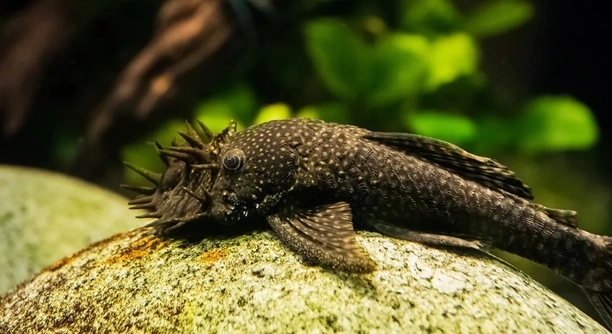
Have you ever brought home a pleco and felt unsure if you were feeding it enough or giving it the right type of food?
Underfeeding a pleco can lead to weakened immune function, slower growth, and increased stress, which may result in illness or even death. A consistent, balanced diet is essential to maintaining its health and lifespan.
Providing proper care helps your pleco thrive, and understanding feeding habits is a key part of creating a healthy environment.
Signs Your Pleco Isn’t Getting Enough Food
If your pleco is underfed, you’ll notice some clear signs. A common one is excessive algae scraping—more than usual—as it tries to find any source of nutrition. You may also see visible weight loss, with its body looking thinner or more sunken. Another sign is unusual behavior, like being more sluggish or hiding often. Plecos are generally active at night, so if it’s not moving much even during its usual hours, that can be concerning. Sometimes, they may even start nibbling on plants or other tankmates. This is a red flag. Underfed plecos also produce less waste, which might be easy to overlook but is still worth tracking. Lastly, a duller appearance or faded colors can show something is wrong. These signs might not appear all at once, but noticing even one should prompt you to reassess how much and how often you’re feeding your pleco.
Smaller plecos tend to show signs of hunger faster than larger ones, especially when they are still growing and need more nutrients regularly.
Feeding your pleco the proper amount isn’t just about avoiding hunger—it’s about keeping their body strong, their immune system working properly, and their behavior balanced. Skipping this can quickly affect their overall well-being.
What to Feed and How Often
Feeding a pleco isn’t just about tossing in algae wafers. Their diet needs to be varied to stay healthy and active.
Plecos need more than just algae to stay healthy. Algae wafers are great, but they should only be one part of the diet. Supplement with blanched vegetables like zucchini, spinach, or cucumbers, as well as protein sources like sinking shrimp pellets or occasional pieces of raw fish. Some types of plecos, especially carnivorous or omnivorous species, need more protein than others, so be sure to know what type you have. Feeding should usually happen once a day, with the amount based on their size and appetite. If food is still sitting there after 12–24 hours, that’s a sign you’re giving too much. For young or growing plecos, feeding twice a day in smaller portions may be helpful. Make sure to remove uneaten food to keep the tank clean and avoid any water issues. The goal is consistent nutrition, not overfeeding.
Effects of Long-Term Underfeeding
Underfeeding over time causes plecos to become weak and more likely to get sick. Their bodies need regular nutrients to function, and without them, internal systems start to break down. It’s not something that gets better on its own.
Long-term underfeeding slows down your pleco’s growth and weakens its immune system. This makes it harder for them to fight off common tank illnesses, like bacterial or fungal infections. You may notice they become more inactive, hide more often, or show less interest in their surroundings. Their colors can fade, and their body may appear sunken or too slim. In severe cases, they may stop eating completely. Over time, their organs can become damaged due to nutrient deficiencies. Bones may become weaker, and their ability to recover from stress lowers. All of this creates a situation that’s hard to fix if not caught early enough.
If underfeeding continues, your pleco might develop digestive problems. A lack of fiber and variety in the diet can lead to constipation or bloating, which causes discomfort and can worsen overall health. This can also affect their swimming and movement. Additionally, poor nutrition makes breeding unlikely, and any young plecos born in such conditions often won’t survive long. Even if your pleco survives, it won’t live as long or stay as active. Over time, these effects add up, leading to a fish that never really thrives, even if you start feeding it properly later. It’s important to meet their needs consistently—not just once in a while.
Simple Ways to Improve Feeding Habits
Start by checking what you’re feeding now and how much is actually being eaten. A small adjustment in quantity or variety can often make a big difference without needing to change everything.
Offer a mix of food types that match your pleco’s species. Include algae wafers, vegetables like zucchini or spinach, and protein-rich options like shrimp pellets. Feed them at night if that’s when they’re most active. Monitor their eating for a week and adjust portions if too much is left uneaten. Clean up any leftovers to avoid water problems. You can also try clipping vegetables to the tank with a suction clip so they stay in place and are easier for the pleco to reach. Avoid feeding random table scraps or relying too much on algae alone. If you’re unsure of what species you have, take a moment to look it up—some plecos need mostly wood in their diet. Small changes go a long way.
Common Mistakes to Avoid
Feeding only algae wafers every day can lead to nutrition gaps. Plecos need more than just one food type to stay healthy. Relying too heavily on one thing often leads to long-term problems, even if they seem fine at first.
Another mistake is feeding during the day. Plecos are mostly active at night, so food added too early might be missed or eaten by other fish. This leads to underfeeding without you realizing it.
What to Do If You’ve Been Underfeeding
If you realize your pleco hasn’t been eating enough, don’t panic. Start by slowly increasing the amount of food and add variety to their diet. Offer a balance of algae wafers, vegetables, and protein sources. Feed at night and watch how much is eaten. Remove leftovers the next day. Monitor your pleco for signs of improvement, like more movement and brighter colors. Avoid sudden overfeeding, as that can cause bloating or water issues. Keep their tank clean and stress-free. In more serious cases, consider checking with an aquatic vet, especially if they show signs of illness. A consistent, small improvement in feeding makes a real difference.
When to Ask for Help
If your pleco still isn’t eating or is showing signs of illness, it’s best to get help from someone experienced with fish care. A vet who knows about aquatic animals can help spot serious issues early.
FAQ
How do I know if my pleco is underfed?
If your pleco isn’t eating enough, you’ll likely notice a few signs. First, it may appear thinner, with its body looking sunken or less rounded. It may also spend more time hiding or being inactive, as underfeeding can lead to lethargy. Another common sign is excessive algae scraping or nibbling on other tankmates or plants in search of food. If you notice any of these behaviors, it’s time to check their diet and feeding routine to make sure they’re getting enough nutrition.
Can plecos survive without algae wafers?
While algae wafers are important, plecos can survive without them as long as you provide a varied diet. Plecos are opportunistic eaters and will enjoy eating vegetables like zucchini, cucumber, and spinach, as well as protein-rich foods such as shrimp pellets. Algae wafers help, but they shouldn’t be the only food source. A balanced, mixed diet is the key to keeping your pleco healthy.
What happens if I overfeed my pleco?
Overfeeding your pleco can lead to a few issues. The most immediate one is water quality problems, as leftover food can quickly decompose and release harmful chemicals into the tank. This can stress your pleco and make it more susceptible to diseases. Additionally, overfeeding can cause your pleco to become overweight, leading to digestive issues or bloating. To avoid this, only feed as much as your pleco can consume within a few hours, and always remove any uneaten food from the tank to keep the water clean.
How often should I feed my pleco?
You should feed your pleco once a day, but the exact amount will depend on their size and species. Smaller plecos may require more frequent feedings, while larger ones can be fed once a day. Make sure to offer a variety of foods and monitor how much is eaten. If there is food left in the tank after 12-24 hours, you’re feeding too much. Also, some plecos are nocturnal, so consider feeding them at night to match their natural feeding habits.
Can I feed my pleco fruits and vegetables?
Yes, fruits and vegetables can be a great addition to your pleco’s diet. Vegetables like zucchini, cucumber, spinach, and peas are all great choices. You can blanch them (by briefly boiling them) to soften them up and make them easier for your pleco to eat. However, you should limit fruits since they can be too sugary and may cause digestion issues. Keep fruits as an occasional treat rather than a regular part of the diet.
Do plecos need wood in their diet?
Yes, many plecos, especially species like the bristlenose pleco, need wood as a part of their diet. They graze on driftwood, which helps with their digestion by providing fiber. It also encourages natural behavior, like scraping off the biofilm that forms on the wood. Make sure to provide driftwood in the tank for your pleco to nibble on, but also offer other food sources to make sure their diet is well-rounded.
Is it okay to feed my pleco table scraps?
Feeding plecos table scraps is not recommended. While it might seem convenient, human food often contains spices, salt, or fats that are harmful to fish. Additionally, it can lead to digestive issues or an imbalance in nutrition. Stick to foods specifically designed for plecos, such as algae wafers, shrimp pellets, or blanched vegetables. Keeping a consistent feeding routine with appropriate foods is important for their long-term health.
How do I properly remove leftover food from the tank?
Removing leftover food is simple but important. After about 12 to 24 hours, check the tank for any uneaten food. Use a fish net or a vacuum cleaner designed for aquarium use to scoop out any remaining bits. Make sure to clean up any food that has sunk to the substrate as well, since decaying food can cause harmful bacteria to build up in the water, affecting both water quality and your pleco’s health.
What if my pleco is still not eating?
If your pleco isn’t eating, it could be a sign of stress, illness, or even water quality issues. Check the water parameters to ensure everything is within a safe range for your pleco. If the water is fine, try offering a variety of foods to entice your pleco to eat. If it continues to refuse food for more than a few days, consider consulting with an aquatic vet, as there could be an underlying health issue.
Are plecos social?
Plecos are generally not very social fish and tend to be solitary. They’re territorial and may not get along well with other plecos, especially in smaller tanks. While they might not mind other peaceful tankmates, it’s important to make sure that they’re not competing for space or food. A single pleco in a tank can thrive if its space and food needs are met, and it’s best to avoid overcrowding.
Can underfeeding affect my pleco’s growth?
Yes, underfeeding can significantly impact your pleco’s growth. If it’s not getting enough nutrition, it will grow slower and may not reach its full size. Over time, this can cause developmental issues, weakened immune response, and other long-term health problems. Providing a balanced, consistent diet is essential for proper growth and overall well-being. Ensure your pleco receives the proper food types and the correct amount based on its size and species.
Can plecos eat algae from the tank?
Yes, plecos can eat algae that grows naturally in the tank, and this is a big part of their diet in the wild. However, it’s important to ensure that there’s enough algae for them to feed on without overwhelming the tank. If algae growth is slow, consider adding supplemental algae wafers or providing other food options. Keep an eye on the tank’s algae levels to make sure your pleco is getting the nutrition it needs.
Final Thoughts
Feeding your pleco the right amount of food is essential for its health and well-being. While these fish are resilient and can survive in various conditions, underfeeding them can lead to a range of problems, including weakened immune systems, poor growth, and overall stress. Plecos are not just algae eaters, as many people think. They need a variety of food, including vegetables and protein sources, to thrive. If you find your pleco scraping the tank more often or nibbling on plants and other tankmates, it’s a sign that it might not be getting enough nutrition. Regularly offering the correct amount of food and cleaning up uneaten food will help maintain a healthy environment for your fish.
Understanding the specific needs of your pleco is key to providing proper care. Different species may have different dietary needs, so it’s important to know what type of pleco you have and what it needs to stay healthy. If you’ve been underfeeding your pleco, it’s important to gradually adjust its diet rather than making sudden, drastic changes. Slowly introducing new foods and increasing the amount will help prevent digestive issues or stress. Monitoring your pleco’s behavior and appearance can also give you a good idea of whether it’s eating enough. Keep an eye on its body condition and make sure it doesn’t look too thin or show signs of fatigue.
By providing the proper food and feeding routine, you’ll not only help your pleco grow and thrive, but you’ll also enjoy watching it stay active and vibrant. It may take a little trial and error to find the best feeding schedule and food variety for your pleco, but with time, you’ll find the right balance. Ensuring that your pleco gets a balanced diet can prevent long-term health issues, improve its quality of life, and even extend its lifespan. If you’re ever unsure about your pleco’s diet, don’t hesitate to consult an aquatic professional for advice.

Hello,
If you enjoy the content that we create, please consider saying a "Thank You!" by leaving a tip.
Every little bit helps us continue crafting quality advice that supports the health, happiness, and well-being of pets around the world, for pets of all shapes, sizes, and species.
We really appreciate the kindness and support that you show us!