
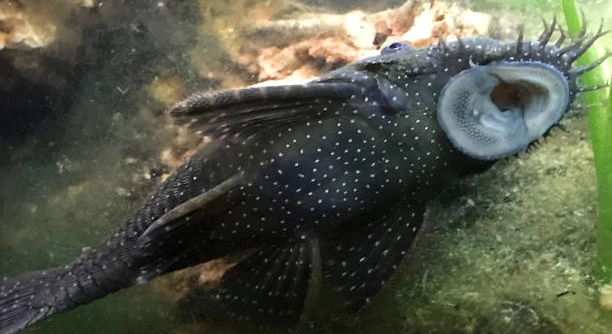
Have you ever found yourself watching your pleco and wondering if it’s finally becoming an adult? Growth in fish can be subtle, and it’s not always clear when they’ve reached maturity.
A pleco is considered mature when it reaches its full size, often between 4 to 24 inches depending on the species, and begins showing adult behaviors like territoriality, nesting attempts, and physical changes such as thicker body shape or brighter coloring.
Knowing the signs of pleco maturity can help you care for your fish more effectively and recognize when their needs start to shift.
Size Starts to Level Off
As plecos grow, their size is one of the first signs of maturity. Most species reach their full length by 12 to 24 months, though smaller types may mature sooner. If your pleco has stayed the same size for several months and is no longer growing rapidly, it could be a sign it’s maturing. A mature pleco often fills out in width and thickness rather than length. The body shape becomes fuller, especially around the midsection, and the fins may appear more developed and defined. Their patterns and colors might also deepen or shift slightly with age, giving them a more striking appearance. Keeping track of their growth with regular measurements and photos can help you spot changes more easily. You don’t need fancy tools—just a ruler and a calm moment when the pleco is resting along the tank glass. Patience and observation are key when noticing these subtle shifts.
This size stability is a good indicator that your pleco is no longer in its rapid growth phase.
If your pleco has stopped growing but remains active and healthy, that’s usually a positive sign. It shows they’re reaching adulthood and adjusting to their environment. You can now focus more on their behavior and habits for further clues.
Brighter Color and More Definition
Once maturity begins, plecos tend to show more vibrant colors or darker contrasts, depending on the species. These shifts may not happen overnight but can become more noticeable over a few weeks.
Color changes are typically influenced by age, stress levels, diet, and overall health. A mature pleco will often develop richer markings or clearer spots and stripes. This is especially true for species like the bristlenose or leopard pleco. As their coloring becomes more defined, it’s a good idea to make sure their tank setup supports that development. Good lighting, proper water quality, and a balanced diet all contribute to stronger color expression. If you’ve been feeding them the same pellets since they were small, now might be a good time to diversify. Adding occasional vegetables like zucchini, spinach, or even high-quality algae wafers can support their changing needs. Mature plecos also begin to display territorial behaviors, so if the color changes come with increased movement or chasing, it may all be connected.
Behavioral Changes Become Noticeable
A mature pleco often becomes more territorial, especially around its favorite hiding spots. You might see it chasing other fish away or spending more time guarding a certain area in the tank. These shifts are normal and linked to natural adult behavior.
Along with increased territoriality, mature plecos often become more active at night. You may notice them scraping algae more frequently or exploring the tank with more purpose. They might also interact more with their environment, rearranging substrate or pushing decorations around. If kept with other bottom dwellers, minor conflicts may become more common. It’s usually nothing to worry about unless it becomes aggressive. Make sure each fish has enough space and hiding spots to reduce tension. Mature plecos often enjoy stronger currents too, so adding a powerhead or adjusting flow can support their preferences as they age and grow stronger.
Plecos may also display nesting behavior as they mature. Some dig small pits in the substrate or clean flat surfaces like slate or driftwood. This is especially true if you have a male and female in the tank. These actions are often linked to breeding instincts. Even if you don’t plan to breed them, it’s still useful to recognize this natural behavior. It helps you understand their needs better.
Bristles or Body Features Start to Change
Male bristlenose plecos often develop thick bristles on their nose and head once they mature. These can grow quite long and are more prominent than in females, whose bristles remain short or barely visible.
In other pleco species, body shape becomes broader and more muscular with age. Fins may also extend slightly.
Feeding Habits Shift Slightly
Mature plecos may show changes in appetite or feeding patterns. Younger plecos often eat constantly, but adults may feed more during certain times, like at night. You might also notice them being pickier with food. This is normal. It helps to offer a variety, such as blanched veggies, sinking wafers, and protein-rich treats.
Breeding Behavior Appears
When mature, plecos may begin displaying breeding behavior. This includes digging, guarding spaces, or cleaning surfaces. Even without a mate, males might act territorial and prepare nesting spots. It’s a natural part of their adult behavior and a good sign of maturity.
FAQ
How long does it take for a pleco to mature?
Most plecos reach maturity between 12 to 24 months, depending on the species and tank conditions. Smaller species like bristlenose plecos may mature sooner, sometimes around 8 to 12 months. Larger species like common or sailfin plecos often take closer to two years. Proper diet, clean water, and stable temperature can speed up healthy development. If a pleco is kept in a small tank or underfed, maturity might be delayed. Tracking their size and watching for behavioral changes over time is one of the easiest ways to tell when they’re nearing adulthood.
Do plecos need to be a certain size to breed?
Yes, plecos typically need to reach their full adult size before showing serious breeding behavior. For smaller species, this might be around 4 to 6 inches. Larger plecos can need to be closer to 12 inches or more. Maturity is not only about size but also age and health. A well-fed, healthy pleco in a stable tank will begin showing interest in breeding when conditions are right. This can include guarding certain areas, digging small pits, or cleaning flat surfaces. These signs often start once the pleco has stopped growing and becomes more territorial.
Can plecos live alone once mature?
Yes, many pleco species prefer to live alone, especially males. As they mature, they become more territorial and may not tolerate other bottom dwellers in close quarters. It depends on the tank size and layout. If you want to keep more than one pleco, provide multiple hiding spots and plenty of space to reduce stress and competition. Some species, like bristlenose plecos, can do fine in pairs or small groups if the tank is big enough. However, common plecos and other large types usually prefer being the only pleco in the tank once mature.
Do plecos eat less as they age?
It’s common for plecos to have a more controlled appetite as they grow older. Young plecos tend to graze constantly, but adults often become more selective. They might eat mostly at night or avoid certain foods they once enjoyed. This isn’t usually a problem if the fish remains active and healthy. Offer a mix of vegetables, algae wafers, and occasional protein like shrimp pellets to keep their diet balanced. Watch for weight loss or unusual behavior, though, as that could point to other issues unrelated to age.
What tank changes should I make for a mature pleco?
As plecos grow, they often need more space and stronger filtration. A mature pleco can produce a lot of waste, especially larger species. It’s a good idea to upgrade your filter or clean it more frequently. Adding more hiding spots can also help reduce stress and aggression. Use driftwood, caves, or ceramic tubes. If your pleco is showing signs of nesting behavior, adding a flat stone or a small breeding cave might help them feel secure. Keep the water parameters stable, and avoid sudden temperature changes, which can bother mature fish more than younger ones.
Do mature plecos need different food than younger ones?
The basic diet stays the same, but mature plecos benefit from more variety and added nutrients. Younger plecos need lots of protein and algae to grow, but adult plecos can thrive on a mix of high-fiber vegetables, sinking algae wafers, and some protein-rich treats like bloodworms or shrimp pellets once or twice a week. Feeding them too much protein can lead to bloating or health issues over time, so it’s best to limit those treats. Mature plecos also enjoy fresh produce like zucchini, cucumber, or spinach. Just remember to blanch the vegetables before adding them to the tank.
Final Thoughts
Understanding when your pleco is reaching maturity can help you care for it more effectively. Many signs show up slowly over time, so it’s important to pay attention to how your pleco looks and acts. Changes in size, color, behavior, and eating habits all give clues. Some signs may be subtle, like a fuller body shape or slightly brighter patterns. Others, like nesting behavior or chasing other fish, are easier to notice. Keeping track of your pleco’s growth and habits can help you spot these signs early. A mature pleco may also act more confident or start showing behaviors it never had as a younger fish.
Once your pleco is mature, its needs can shift slightly. It may need more space, cleaner water, and a better diet. You may also need to give it more hiding places or rearrange the tank to lower aggression. Adding driftwood, rocks, or caves can help create safe spaces and keep the fish comfortable. Feeding habits might change too. A mature pleco might not eat as much or may become more picky. Offering a mix of vegetables and sinking foods can keep it healthy. Watching how your pleco responds to different foods can help you adjust its diet as needed. A balanced routine with variety keeps it strong and active.
Maturity is a normal and healthy stage in your pleco’s life. You don’t need to worry if your fish becomes a little more independent or territorial—it’s just part of growing up. Each pleco is different, and some may mature faster than others, depending on the species and how they’re raised. What matters most is creating a stable, clean, and peaceful tank environment. With a little patience and observation, you’ll be able to support your pleco as it moves into adulthood. This stage can be rewarding, especially when you see how your pleco settles into its space and shows more personality. Taking the time to understand its needs now will help keep it healthy and happy for years to come.

Hello,
If you enjoy the content that we create, please consider saying a "Thank You!" by leaving a tip.
Every little bit helps us continue crafting quality advice that supports the health, happiness, and well-being of pets around the world, for pets of all shapes, sizes, and species.
We really appreciate the kindness and support that you show us!