
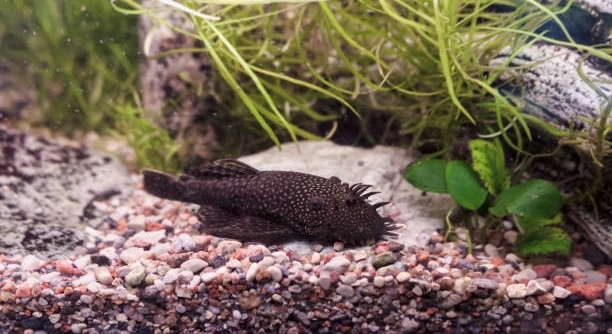
If you have a pleco in your tank, you might notice it blowing bubbles at the surface. This behavior can be both puzzling and interesting to observe, especially if you’re new to caring for plecos.
The most common reason your pleco blows bubbles is to create a bubble nest. These nests are used by plecos to attract a mate and ensure their eggs are protected. It is a natural behavior that indicates a healthy, active pleco.
Understanding your pleco’s bubble-blowing behavior can provide insight into their health and breeding habits. This article will help you interpret this behavior and what to do next for your pleco’s well-being.
Why Do Plecos Blow Bubbles?
Plecos blowing bubbles at the surface of the water is a common behavior, especially among species like the bristlenose pleco. This is often a sign that they are building a bubble nest. Plecos create these nests as part of their mating ritual. They use the bubbles to keep their eggs safe once they are laid. The bubbles also help attract a mate, as the nest is seen as a sign of the pleco’s readiness to reproduce. Even if you have not noticed any signs of breeding, a pleco might still blow bubbles as a territorial or mating display.
Though this bubble-blowing behavior may seem odd, it is completely natural. As a result, if you notice your pleco engaging in this activity, there’s no need to be alarmed. It’s simply following its instincts. However, if the behavior is accompanied by signs of distress or poor health, it might be worth investigating further.
Paying attention to your pleco’s behavior is key. You’ll want to monitor water conditions, diet, and the overall health of your tank to ensure the environment supports healthy breeding practices.
What Happens During the Bubble-Nest Process?
When a pleco creates a bubble nest, it will release small air bubbles from its mouth. These bubbles rise to the surface and collect together to form a nest. The male pleco often takes the lead in creating the nest and will guard it. This process can sometimes take several hours. As the nest forms, the pleco will swim around it, cleaning and arranging the bubbles. Once the nest is complete, the female pleco may lay her eggs in or around it. The male will then fertilize the eggs.
The bubble nest serves an important role in ensuring the eggs stay afloat and are protected from predators. This process is essential for successful breeding. Plecos in the wild and in captivity use these nests as a way to ensure the survival of their young. By creating a stable environment for the eggs, the pleco maximizes the chances of successful hatching.
Understanding the nest-building behavior helps you create a better environment for your plecos. If you’re not interested in breeding, it’s still important to respect the natural instincts of your pleco. Simply removing any excess bubbles or adding a divider to your tank can manage this behavior without causing harm.
Pleco Bubble Behavior and Tank Conditions
While bubble-blowing is typically a sign of health and natural instincts, certain conditions can affect this behavior. Plecos may blow bubbles more frequently if they are stressed or feel insecure in their environment. Poor water quality can also trigger unwanted behaviors, including excessive bubble-blowing. Inadequate filtration, high ammonia levels, or an unbalanced pH can lead to stress, which in turn, encourages bubble production.
It’s important to maintain good water quality in your pleco’s tank. Regular water changes and proper filtration are essential to keeping the environment stable. Plecos are sensitive to changes in water conditions, so maintaining a steady temperature and a clean environment will help them thrive. The tank should also offer hiding spots and places to explore, as plecos are shy creatures and may feel stressed without such spaces.
If you notice your pleco’s bubble-blowing seems excessive or is accompanied by other signs of distress, like faded colors or erratic swimming, it may be worth checking the water quality. Consider testing your water for ammonia, nitrates, and pH levels to ensure they are within an appropriate range for your pleco.
The Role of Bubble Nests in Pleco Breeding
Bubble nests are crucial for pleco breeding, providing a safe place for eggs. After laying eggs, the male pleco fertilizes them and guards the nest. The bubbles help keep the eggs floating and oxygenated, ensuring they have the best chance to hatch. The nest’s size and quality depend on the pleco’s health and tank conditions.
The pleco will spend considerable time constructing and maintaining the nest. It uses its mouth to blow air into the water and create small bubbles that rise to the surface. The more bubbles, the stronger and more stable the nest. Plecos are dedicated parents, and both the male and female may take turns guarding the nest, preventing predators from eating the eggs. The success of the breeding process is highly dependent on the health of the fish and the cleanliness of the environment.
Having the right environment is essential for breeding. Clean water, appropriate tank temperature, and stable pH levels all contribute to the formation of healthy nests. If conditions are ideal, plecos will likely continue breeding and produce more successful generations.
When Bubble-Blowing Becomes a Problem
If your pleco is blowing bubbles constantly and excessively, it could be a sign of stress. While some bubble-blowing is normal, especially during breeding seasons, prolonged behavior may indicate an issue. Stressful conditions such as poor water quality, overcrowded tanks, or lack of hiding places can trigger these actions.
Stress leads to erratic behavior, and bubble-blowing is one of the signs. Overcrowding in the tank can cause plecos to feel threatened, reducing their ability to relax and settle. When plecos feel insecure or stressed, they may become more active and blow bubbles in an attempt to establish territory or attract mates. However, this doesn’t always mean that they are ready to breed.
To reduce stress in your pleco’s environment, make sure the tank size is suitable and avoid overcrowding. Ensure proper water filtration and frequent water changes to keep the environment clean. If you observe excessive bubble-blowing, check the pleco’s behavior closely to identify any other signs of distress.
The Impact of Water Quality on Bubble-Blowing
Poor water quality can lead to stress and unwanted bubble-blowing. Plecos are sensitive to high ammonia, nitrites, and nitrates. These toxins can irritate the fish and cause them to act erratically. Regular water changes are essential to maintain a clean environment.
Water temperature and pH levels also play a role in keeping plecos healthy. If the water is too acidic or too alkaline, plecos may become stressed and exhibit unusual behaviors. The ideal temperature for plecos is between 72 and 80°F, with a slightly acidic to neutral pH. Keeping these levels stable reduces stress.
Testing the water regularly helps catch potential issues early. Using a reliable water testing kit ensures that your pleco’s environment is always within the right range. This simple task can help prevent unnecessary stress and support healthy bubble-blowing behavior.
Maintaining a Balanced Diet for Plecos
A well-balanced diet is essential for maintaining a healthy pleco. Feeding your pleco high-quality algae wafers and fresh vegetables ensures that it gets the right nutrients. Overfeeding, however, can cause water quality issues and stress. It’s important to find the right balance.
Plecos need a mix of plant-based food and occasional protein. Algae wafers are an excellent source of fiber, while zucchini and spinach can add variety to their diet. Offering occasional protein like bloodworms or shrimp ensures they receive all essential nutrients for health. Be cautious not to overfeed.
Overfeeding leads to excess waste, which can quickly deteriorate water quality. Plecos are bottom dwellers and tend to scavenge for food, so it’s best to feed them in moderation. Removing uneaten food after a few hours helps keep the water clean.
The Effect of Tank Environment on Behavior
Plecos thrive in tanks that mimic their natural environment. Providing hiding spots, plants, and driftwood gives them a sense of security. Without these elements, plecos may feel exposed and stressed, leading to more bubble-blowing and other signs of distress. A comfortable pleco is more likely to engage in healthy, natural behavior.
Creating a tank environment with gentle water flow also promotes comfort. Plecos prefer calm waters, so avoid strong currents. Ensure that the tank has enough space for your pleco to swim freely, as crowded tanks can contribute to stress. The environment plays a crucial role in their overall well-being.
A well-maintained, stress-free environment allows your pleco to live a long and healthy life. Taking these factors into consideration will help prevent excessive bubble-blowing and other behavioral issues. A little effort in tank setup and maintenance goes a long way in keeping your pleco happy.
FAQ
Why is my pleco blowing bubbles but not breeding?
Even if your pleco is not actively breeding, it may still blow bubbles as part of its natural behavior. Plecos, especially males, build bubble nests as a way to attract mates, even if breeding isn’t taking place. This action could also be a territorial display. If you notice your pleco creating bubbles but not showing any other signs of breeding, it’s likely just following its instincts. The presence of a bubble nest doesn’t necessarily indicate that the fish is preparing to breed. If you’re concerned about the lack of breeding, consider water quality and tank conditions, which play a key role in encouraging pleco reproduction.
Is it normal for my pleco to blow bubbles continuously?
If your pleco is blowing bubbles non-stop, it could be due to stress or poor water quality. While occasional bubble-blowing is completely normal, excessive behavior might signal an underlying issue. Stressors like overcrowded tanks, improper tankmates, or poor water conditions can trigger this behavior. Check the water parameters, including ammonia, nitrites, nitrates, temperature, and pH levels, to ensure they are within the proper range. Reducing stressors in the tank can help minimize continuous bubble-blowing. If the behavior persists, observe other signs of stress, such as erratic swimming or loss of appetite, which might indicate the need for a change in the tank setup.
Can plecos blow bubbles without breeding?
Yes, plecos can blow bubbles even if they are not actively breeding. This behavior is a natural part of their instincts. Males, in particular, will blow bubbles to create a nest, which serves as a sign of readiness for mating. However, plecos will also blow bubbles for other reasons, such as establishing territory or signaling their presence. If your pleco isn’t breeding, the bubbles may simply be a display of natural behavior. Keep in mind that environmental factors like water quality, temperature, and tank conditions will influence whether your pleco engages in this behavior.
How can I stop my pleco from blowing bubbles?
If you want to reduce bubble-blowing, you can try adjusting the tank environment. First, ensure that the water quality is optimal, as poor water conditions can cause stress and increase bubble-blowing behavior. Regular water changes, good filtration, and the proper temperature (72-80°F) and pH levels are key to reducing stress. Consider adding more hiding spots or plants to provide your pleco with more comfort and security. If you are not interested in breeding, you can remove the bubble nest once it forms, though this should be done gently to avoid further stress to the fish.
Are there any health issues related to plecos blowing bubbles?
In most cases, plecos blowing bubbles is a sign of natural behavior and not a health issue. However, if the behavior is excessive or accompanied by other symptoms like loss of appetite, sluggishness, or discoloration, it could indicate stress or an underlying health problem. Health concerns like poor water quality, disease, or injury may cause a pleco to act abnormally. If you notice any other signs of distress, it’s important to address potential health issues promptly. Keep the tank clean and provide the correct diet to help support the overall health of your pleco.
Can plecos live with other fish while blowing bubbles?
Plecos are generally peaceful fish, but when they blow bubbles, they may be more territorial. The presence of other fish in the tank could interfere with the pleco’s nesting or bubble-blowing behavior. If the pleco feels threatened by other tankmates, it may blow more bubbles as a way to assert its space. Choose tankmates that are non-aggressive and provide enough space for all fish. Plecos should have enough hiding spots and territories to retreat to. If your pleco is blowing bubbles in the presence of other fish, ensure that the tank environment accommodates all its needs without causing stress.
What should I do if my pleco keeps blowing bubbles but doesn’t seem to be breeding?
If your pleco is blowing bubbles but doesn’t seem to be breeding, there may be several factors at play. The first step is to evaluate your tank’s water conditions, ensuring the temperature, pH, and hardness are suitable for breeding. Plecos are more likely to breed if the water conditions mimic their natural environment. Additionally, ensure your pleco has a proper diet that supports breeding, such as algae wafers, vegetables, and occasional protein. If the tank is crowded or if there aren’t enough hiding spots, the pleco may feel stressed and not breed despite showing nesting behavior. Adjusting the tank setup might help encourage successful breeding.
Why does my pleco blow bubbles at night?
Plecos are nocturnal by nature, meaning they are more active during the night. The bubbles you observe might be related to their instinctual nesting behavior, which can happen at any time of day or night. If your pleco is blowing bubbles specifically at night, it may be in search of a mate or building its nest in a more private setting. This nocturnal activity is completely normal and is a sign of the pleco following its natural instincts. As long as the pleco is not showing other signs of distress, bubble-blowing at night is part of its routine behavior.
Does bubble-blowing affect my pleco’s health?
In general, bubble-blowing does not negatively affect the health of your pleco. It is a natural and healthy behavior for plecos, especially during mating season. However, if bubble-blowing is excessive or paired with signs of stress or poor health, it could indicate that the fish is uncomfortable or unwell. Monitoring the behavior alongside water conditions and overall tank health is important. If your pleco’s bubble-blowing is accompanied by other signs like faded colors, lethargy, or erratic swimming, it’s best to check for water quality issues or consult with an expert.
Final Thoughts
Plecos are fascinating fish, and their behavior, including bubble-blowing, is usually a natural part of their routine. While this behavior is commonly linked to breeding, it can also happen due to territorial instincts or simply as a sign of comfort in their environment. Understanding why your pleco is blowing bubbles helps ensure that it is not a result of stress or poor health. Maintaining a stable, clean tank with appropriate water conditions is essential for reducing unnecessary stress. If you keep the water clean and provide a suitable environment, the chances of excessive bubble-blowing decrease significantly.
It’s important to remember that every pleco is different. Some will blow bubbles regularly, while others may only do so occasionally. The factors that affect this behavior include water quality, tank setup, and the presence of other fish. If your pleco is blowing bubbles but not breeding, it may simply be following its natural instincts. However, if the behavior seems abnormal or excessive, it’s worth checking the tank conditions to make sure everything is within the proper range. Always keep an eye on your pleco’s overall health, as this can provide additional insight into why it’s behaving a certain way.
By ensuring a peaceful, well-maintained environment, you are supporting the overall health and happiness of your pleco. Providing adequate space, hiding spots, and a balanced diet will make a significant difference in their behavior. If the bubble-blowing behavior continues to be a concern, look into potential stress factors such as overcrowding or incompatible tankmates. In most cases, a few simple adjustments to the tank will resolve any issues and keep your pleco content.

Hello,
If you enjoy the content that we create, please consider saying a "Thank You!" by leaving a tip.
Every little bit helps us continue crafting quality advice that supports the health, happiness, and well-being of pets around the world, for pets of all shapes, sizes, and species.
We really appreciate the kindness and support that you show us!