
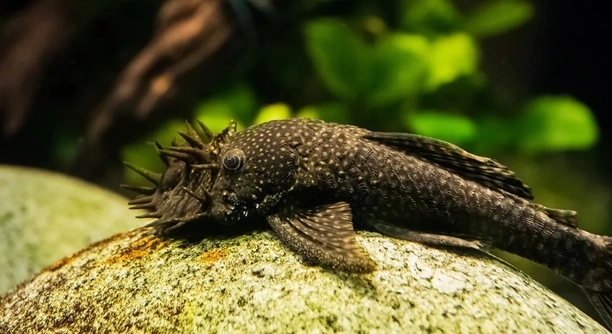
Plecos are popular freshwater fish, often appreciated for their ability to keep aquariums clean. Their health and well-being are essential for maintaining a balanced aquatic environment. However, certain factors like lighting may impact their behavior and overall health.
Plecos can indeed be sensitive to room light. Exposure to intense or constant light can cause stress, alter their natural behavior, and disrupt their sleep patterns. It is important to manage the lighting to maintain a healthy environment for your pleco.
Understanding how light affects plecos can help ensure a comfortable environment. Proper lighting can contribute to their overall health and reduce unnecessary stress.
How Light Affects Plecos’ Behavior
Lighting plays a significant role in the behavior of plecos. These fish are naturally adapted to darker environments, such as caves or shaded areas in the wild. Bright or constant lighting can cause stress, making plecos feel exposed. Stress can lead to unusual behavior such as hiding more often or becoming less active during the day. This is why it’s crucial to replicate the natural conditions of their habitat, where light isn’t overly harsh or constant. To prevent stress, try to limit the exposure to direct light. A consistent day-night cycle helps plecos feel secure and maintain their natural rhythm.
The most effective way to manage lighting for plecos is by using a timer. Set the lights to mimic natural daylight hours. Typically, about 10-12 hours of light and 12-14 hours of darkness works best for plecos. This will help regulate their behavior and ensure they remain healthy and active.
It’s important to remember that plecos are nocturnal by nature. They do most of their feeding and other activities during the night. Too much light can disrupt this, making it harder for them to feel comfortable and safe. Dim lighting or natural lighting sources will provide a more balanced atmosphere. In contrast, excessively bright lighting can also encourage algae growth, which may affect the overall tank environment. Proper lighting ensures your pleco’s well-being and maintains a clean and stress-free habitat.
Why You Should Limit Artificial Lighting
Limiting artificial lighting is essential to creating a natural environment for your plecos. Overexposure can lead to negative consequences.
Artificial lighting can interfere with your pleco’s circadian rhythm, disrupting sleep patterns and causing undue stress. This can also lead to physical signs of distress, such as loss of appetite or erratic swimming.
How to Create the Right Lighting for Your Pleco
Using a light timer is one of the best ways to regulate lighting for your pleco. It ensures consistency and helps mimic natural conditions.
Setting a timer for 10-12 hours of light during the day provides the proper balance. A dim light can be used during the night, simulating natural moonlight. Plecos feel safest in low-light environments, so placing the tank away from direct sunlight also reduces exposure to harsh light.
Keep in mind that plecos are nocturnal. This means that they rely on darkness to regulate their activities. If the room remains too bright, they may become less active or stressed. The light intensity should also be controlled, avoiding overly bright bulbs or direct light. A gentle light source, like an LED with adjustable brightness, can create the ideal ambiance. A consistent light cycle will help plecos thrive.
The Role of Natural Light in Your Pleco’s Habitat
Natural light plays a role in maintaining the health of your pleco. When managed well, it can be a helpful resource.
Place your aquarium in a spot where it receives indirect sunlight, especially if it’s a well-lit room. The natural light can help regulate the pleco’s internal clock. However, too much sunlight can cause fluctuations in water temperature, which can stress the fish. It also contributes to excess algae growth in the tank. A balance must be maintained, as too much natural light can lead to the same issues as artificial light. Using sheer curtains can filter the sunlight and create a more suitable environment for your pleco.
Natural light is not only about keeping your pleco comfortable but also about managing the overall tank ecosystem. Sunlight supports plant growth, which plecos rely on for hiding spaces and additional food sources. A well-planted tank provides shade, further mimicking their natural habitat. However, direct sunlight should be avoided because it can cause rapid water temperature changes. Maintaining the right level of natural light is a fine balance that ensures your pleco stays healthy while promoting a thriving tank environment.
Signs That Your Pleco Is Stressed by Light
If your pleco seems to be hiding more often, it could be a sign of light-related stress. When exposed to bright or constant lighting, they may retreat to dark corners of the tank.
Additionally, if your pleco becomes more active at night than usual or appears lethargic during the day, it could indicate discomfort due to the lighting. Stress can also result in loss of appetite. Watch for these behaviors as they may be linked to light exposure.
How to Adjust Lighting for Your Pleco
Adjusting the light in your pleco’s tank is relatively simple. Start by reducing the amount of direct light it receives, especially during the daytime.
Consider adding more plants and decorations to create shaded areas where your pleco can hide and feel safe. This will help manage both lighting and stress levels. Low-wattage bulbs or adjustable LED lighting can also help control the intensity and duration of light exposure. Keep the lighting consistent to avoid disrupting their natural behavior patterns.
Best Lighting Options for Plecos
LED lights are often the best choice for plecos due to their adjustable settings. These lights allow you to control the brightness and duration of light exposure easily.
They are also energy-efficient and produce less heat, which is beneficial for maintaining a stable water temperature. Proper lighting will ensure that your pleco feels secure and that the tank remains healthy.
FAQ
Can plecos tolerate bright light?
Plecos are not well-suited for bright light. They are naturally adapted to darker, shaded areas and thrive in low-light conditions. Excessive bright light can cause them stress, making them more likely to hide or become less active. It’s best to avoid placing the tank in direct sunlight or using harsh, bright lights. A more subdued lighting setup mimicking natural conditions will keep your pleco feeling safe and comfortable.
How long should I keep the lights on for my pleco?
The ideal light cycle for a pleco is around 10-12 hours of light followed by 12-14 hours of darkness. This mimics the natural day-night cycle, helping to regulate your pleco’s biological rhythms. It is important to keep the light consistent to reduce any potential stress. Using a timer is a convenient way to manage this lighting schedule.
Do plecos need complete darkness at night?
Yes, plecos prefer a dark environment at night. They are nocturnal creatures, meaning they are most active during the night and tend to rest or hide during the day. Complete darkness at night allows them to feel secure and maintain their natural behavior. Avoid keeping the lights on all night, as it can disrupt their sleep cycle and cause stress.
How can I tell if my pleco is stressed due to light?
Signs of stress in plecos due to light include excessive hiding, changes in feeding habits, or unusual behavior like swimming erratically. They may also become more active at night than usual, indicating they are not comfortable during the day. If you notice your pleco avoiding brightly lit areas or spending a lot of time in dark spots, it may be stressed. Stress can also manifest as loss of appetite or lethargy. If you notice these signs, consider adjusting the lighting in the tank.
Is it okay to have my pleco in a room with natural sunlight?
It is okay for a pleco to be in a room with natural sunlight, as long as the tank is not exposed to direct sunlight for extended periods. Too much sunlight can cause the water temperature to fluctuate, which stresses the fish. It can also lead to excessive algae growth in the tank. The best option is to place the tank in a spot with indirect sunlight, where the light is soft and doesn’t overheat the water or cause rapid changes in temperature.
Can LED lights be used for plecos?
LED lights are an excellent option for plecos. They are energy-efficient, adjustable, and available in a variety of colors and brightness levels. Using adjustable LED lights allows you to create a light cycle that suits your pleco’s needs. Low-wattage LED lights can mimic natural light conditions, helping to reduce stress and maintain the right atmosphere in the tank. Additionally, LEDs emit less heat, which helps maintain a stable water temperature for your pleco.
Should I use a tank cover for my pleco?
Using a tank cover can be beneficial for plecos. It helps to reduce the amount of light exposure from above and keeps the environment more controlled. Tank covers also help maintain water temperature and reduce evaporation. However, it’s important to ensure the cover doesn’t block essential light if you’re using plants or other aquatic life that requires light. Make sure the cover allows some light to enter but keeps the light intensity at a comfortable level for your pleco.
Can I use a dimmer switch for the tank lights?
Yes, using a dimmer switch for the tank lights can be a great way to control the intensity of the light. This gives you the flexibility to adjust the brightness to a level that is comfortable for your pleco. Plecos prefer dim, low light, so being able to dim the lights ensures they are not exposed to harsh lighting. Just be sure that the light cycle is still consistent with natural day-night rhythms.
How do I know if the lighting is suitable for my pleco?
If your pleco is swimming actively, feeding regularly, and not spending too much time hiding, the lighting is likely suitable. If your pleco is often hiding, appears lethargic, or seems stressed, the lighting might be too bright. Watching for these behaviors will help you determine if changes need to be made. Additionally, if the tank’s water temperature fluctuates frequently due to lighting, it can cause additional stress. Keeping the light gentle and the environment stable is key to your pleco’s health.
Can plecos survive in low light?
Yes, plecos thrive in low light. They are nocturnal fish and do best when they can rest in dimly lit or dark spaces during the day. Too much light can cause stress and disrupt their natural cycles. Low-light conditions will help your pleco feel safe and secure, allowing them to perform their natural behaviors and maintain a healthy environment.
Do I need to turn the lights off at night?
Yes, it’s important to turn the lights off at night to allow your pleco to rest. A natural light cycle is crucial for their well-being. Keeping the lights on at night can disrupt their internal clock and cause stress. A complete dark period during the night ensures they have the necessary rest and helps maintain their natural patterns. You can use a timer to ensure that the lights go off automatically at the same time every night.
Final Thoughts
Understanding how light affects your pleco is essential for their well-being. These fish are naturally adapted to low-light environments, where they can hide and feel safe. Bright or constant lighting can cause stress, which may lead to behavioral changes, such as hiding more often or becoming less active. By providing appropriate lighting conditions, you can help your pleco feel comfortable and thrive in your tank.
Adjusting the lighting to mimic natural conditions, such as having a consistent day-night cycle, can make a big difference. Plecos tend to do best in tanks with soft, low-intensity lights. You don’t need to worry about fancy setups, but paying attention to the brightness and duration of the light will help your pleco feel at ease. Installing a timer for your lights can ensure that the light cycle stays consistent, which is important for the health of your pleco and the overall tank environment.
In the end, creating a comfortable habitat for your pleco goes beyond just light. You should also consider other factors, such as tank size, water quality, and food, to ensure a balanced environment. With a little effort, you can provide the ideal living conditions for your pleco, keeping them happy and healthy. Proper lighting is one of the key elements to their overall well-being, so don’t overlook its importance.

Hello,
If you enjoy the content that we create, please consider saying a "Thank You!" by leaving a tip.
Every little bit helps us continue crafting quality advice that supports the health, happiness, and well-being of pets around the world, for pets of all shapes, sizes, and species.
We really appreciate the kindness and support that you show us!