
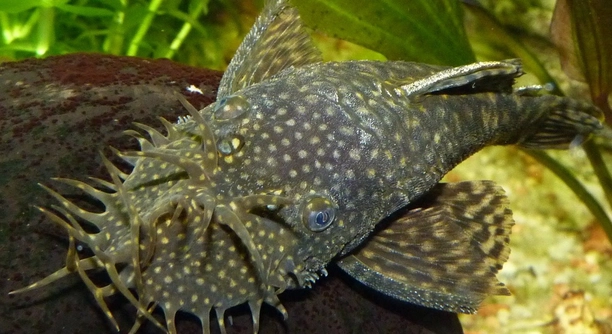
Finding the right tankmates for your Plecostomus can be a bit tricky. These fish are known for their peaceful nature, but their size and habits can make it challenging to choose compatible companions.
The best tankmates for Plecostomus are species that are peaceful, avoid competition for food, and thrive in similar water conditions. Small to medium-sized fish that are not aggressive work well alongside these bottom-dwelling fish.
Selecting the right tankmates for your Plecostomus will ensure harmony in your aquarium, helping both species thrive in a balanced environment.
Choosing Peaceful Species
When selecting tankmates for your Plecostomus, it’s important to prioritize peaceful species. These fish should not be aggressive, as Plecos are bottom dwellers and need a calm environment to thrive. Some species might become territorial or challenge the Plecostomus for space, which could lead to stress or injury. Smaller species that stay towards the middle or top of the tank are often ideal, as they won’t compete for the same bottom area.
Finding species that do well in similar water conditions is also crucial. Plecostomus are generally fine in slightly acidic to neutral water, so choosing fish that can handle similar pH and temperature ranges will ensure compatibility. Fish such as neon tetras, guppies, and Corydoras catfish are all good choices as they are non-aggressive and enjoy similar water conditions.
In addition, selecting species with different feeding habits will help prevent competition for food. Plecos are scavengers, feeding mostly on algae, leftover food, and detritus, while other species typically feed on flake or pellet food. This reduces the risk of one species over-consuming and leaving the other without enough nutrition.
Fish to Avoid
Certain species should be avoided when choosing tankmates for Plecostomus. Aggressive fish, especially larger predators, can cause stress or harm to Plecos.
For instance, cichlids and goldfish may not be suitable. Cichlids are territorial, and their aggressive nature could harm the Plecostomus. Goldfish, while peaceful in appearance, grow large and require different care, often overcrowding the tank.
Maintaining a peaceful tank is essential for the well-being of all the inhabitants. With the right choices, the Plecostomus will thrive, and the aquarium will maintain a calm, balanced ecosystem.
Top Tankmates for Plecostomus
Neon tetras are a great choice as tankmates for Plecostomus. These small, peaceful fish won’t interfere with the Pleco’s bottom-dwelling habits. They prefer the middle to top of the tank and thrive in similar water conditions, making them compatible with Plecostomus.
In addition to neon tetras, guppies are another excellent option. Guppies are small and calm, thriving in tanks with Plecos. Their active nature keeps them out of the way of the Pleco’s territory, reducing any potential conflict. Guppies are also known for being hardy, adapting well to a range of water conditions. They typically swim in the upper levels of the tank, which keeps them separate from the Plecostomus.
Corydoras catfish are a good choice too. These bottom-dwelling fish share the same peaceful demeanor as the Plecostomus and can help with cleaning the substrate. They enjoy similar water temperatures and pH, making them easy to care for alongside Plecos. Their small size and non-aggressive nature make them ideal companions, as they won’t compete for space or food.
Fish That Share Similar Habits
Harlequin rasboras are peaceful and non-aggressive fish that make great tankmates for Plecostomus. They are small in size and prefer the mid to top sections of the tank, leaving the bottom clear for the Pleco to scavenge. They are hardy and do well in similar water parameters, making them easy to care for alongside your Plecostomus.
Another option is the zebra danio. This active fish is peaceful and fast-swimming, spending most of its time in the middle to upper levels of the tank. Zebra danios are social creatures that thrive in groups and won’t interfere with the Pleco. They adapt to a wide range of water conditions, making them compatible with the Plecostomus. They’re also quite hardy and can tolerate slight temperature variations, adding to their appeal as tankmates.
These peaceful species help create a balanced aquarium environment where the Plecostomus can thrive without stress from overly competitive or aggressive fish.
Fish with Similar Size
Small to medium-sized fish are best suited to live with Plecostomus. Avoid large fish that may outcompete the Pleco for food or space. A good rule of thumb is to choose species that won’t intimidate the Pleco or take up too much room.
Choosing fish of similar size helps maintain peace in the tank. Fish such as tetras or danios work well, as they are small enough not to threaten the Plecostomus. Larger species like goldfish or aggressive cichlids can make the Pleco feel stressed and overcrowded. A balanced size ensures all fish can coexist without issues.
Fish That Thrive in Similar Conditions
Plecostomus prefer slightly acidic to neutral water, so choosing fish that thrive in the same conditions is essential. Species that require specific water parameters may struggle alongside the Pleco. Look for species that share similar needs to prevent any issues with water quality or stress.
Choosing compatible species in terms of water conditions helps create a harmonious tank. Make sure your Plecostomus and its tankmates can all tolerate similar pH, temperature, and hardness levels. This ensures everyone is comfortable, reducing the risk of illness and improving the overall health of the tank.
FAQ
What tank size is best for a Plecostomus?
A tank of at least 75 gallons is recommended for a Plecostomus. These fish can grow quite large, up to 24 inches in length, and need ample space to move around. A larger tank also ensures that the Plecostomus won’t feel cramped, helping to maintain a calm environment. Keeping a Pleco in a small tank can lead to stress and health issues. It’s important to allow room for both the Plecostomus and its tankmates to thrive comfortably without overcrowding.
Can I keep multiple Plecostomus in one tank?
It’s generally not recommended to keep multiple Plecostomus in the same tank, especially if the tank is smaller. These fish are territorial, and conflicts can arise if they feel crowded. If you have a larger tank (100 gallons or more), you might be able to keep two or more Plecos, but be prepared for potential aggression. Ensure there are plenty of hiding spots to help reduce stress between them. It’s also important to have other peaceful tankmates that won’t interfere with their space.
Are Plecostomus good tankmates for other fish?
Yes, Plecostomus can be good tankmates for other peaceful fish. They typically don’t bother other species and prefer to stay on the bottom of the tank, scavenging for food. However, it’s essential to choose peaceful fish that won’t compete for food or space. Fish like neon tetras, guppies, and Corydoras catfish are all good options as they swim in different areas of the tank and share similar water requirements.
What should I feed my Plecostomus?
Plecostomus are primarily herbivores and prefer a diet consisting of algae, plant matter, and some protein. You can supplement their diet with algae wafers, blanched vegetables like zucchini, cucumber, and spinach. They also enjoy sinking pellets and frozen or live foods like bloodworms. While they help keep tanks clean by eating algae, it’s essential to ensure they get a balanced diet to stay healthy. Over time, they may also graze on leftover food from other fish in the tank.
How do I know if my Plecostomus is stressed?
Stressed Plecostomus may exhibit several signs, including loss of appetite, hiding more than usual, or exhibiting erratic swimming behavior. They might also display signs of physical damage, such as torn fins. Stress in Plecos can be caused by poor water quality, incompatible tankmates, or a lack of hiding places. It’s crucial to maintain good water conditions, provide enough space, and choose compatible tankmates to prevent stress and ensure the Plecostomus remains healthy.
How often should I clean my Plecostomus tank?
Cleaning your Plecostomus tank depends on the size of the tank and the number of fish. A general guideline is to perform a water change of about 25-30% every two weeks. Regular maintenance includes cleaning the substrate, checking the filter, and monitoring water quality for ammonia, nitrate, and nitrite levels. Keep an eye on the tank for excessive algae buildup, as the Pleco may not be able to keep up with all the growth, especially in smaller tanks.
Can Plecostomus live with aggressive fish?
Plecostomus are peaceful and prefer calm tankmates. Aggressive fish like cichlids or large, territorial species may cause stress to the Pleco and even harm them. If you plan to keep Plecostomus with other fish, it’s best to choose species that are non-aggressive and avoid larger fish that may compete for space and food. Always observe your tankmates’ behavior closely, as even peaceful species can sometimes become aggressive in certain situations.
What is the lifespan of a Plecostomus?
Plecostomus can live for up to 10-15 years in a well-maintained tank. The key to a long and healthy life for your Pleco is to provide a spacious tank, proper diet, and good water quality. Regular maintenance and careful monitoring of tank conditions can help ensure they live out their full lifespan. Keeping Plecostomus in a stable, stress-free environment is essential to promoting longevity.
Do Plecostomus need a filter?
Yes, Plecostomus require a filter to maintain water quality. These fish produce waste, and a filter helps remove toxins and ensures clean water. A good filtration system is essential, especially in a tank with multiple fish. It’s important to choose a filter that provides adequate flow for the tank’s size and ensures oxygenation. Clean the filter regularly to avoid clogging and ensure it’s working efficiently.
Why is my Plecostomus hiding all the time?
Hiding is common behavior for Plecostomus, especially during the day when they are less active. These fish are nocturnal, meaning they are more active during the night. If your Pleco is hiding constantly, it could be due to stress, inadequate hiding places, or poor water quality. Adding more caves or plants for hiding spaces can help your Plecostomus feel secure. It’s also important to check water parameters and ensure the tank environment is suitable for the species.
Can I keep a Plecostomus with shrimp?
While Plecostomus are not typically aggressive toward shrimp, they may unintentionally harm smaller shrimp due to their large size and bottom-dwelling behavior. If you want to keep shrimp with a Plecostomus, ensure that the shrimp are large enough to avoid being eaten. Some aquarists have successfully kept shrimp like Amano shrimp with Plecos, but it depends on the species of shrimp and the size of the tank. It’s essential to monitor interactions closely.
What is the best water temperature for Plecostomus?
The ideal water temperature for Plecostomus ranges from 72°F to 80°F (22°C to 27°C). They thrive in warm water and can tolerate slight fluctuations, but it’s important to avoid sudden changes in temperature. Maintaining a stable temperature will help keep your Pleco healthy and reduce the risk of stress or illness. A reliable aquarium heater with a thermometer is essential for maintaining the right conditions in your tank.
Final Thoughts
Plecostomus are hardy, peaceful fish that can thrive in a variety of aquarium setups. They are great for beginners and experienced hobbyists alike, as long as their basic needs are met. By choosing the right tankmates and providing a proper environment, you can ensure a long, healthy life for your Pleco. It’s important to remember that while they are excellent algae eaters, they still need a balanced diet, with supplemental feeding to meet their nutritional needs. Regular maintenance, such as water changes and monitoring water parameters, is crucial to their well-being.
When selecting tankmates for your Plecostomus, it’s essential to consider the size, temperament, and environmental needs of other fish. Smaller, peaceful species that enjoy similar water conditions are ideal. Avoid aggressive or large fish that may compete for space or food. With the right companions, your Pleco will help create a harmonious and low-maintenance tank. Providing plenty of hiding spots and open swimming space will reduce stress and give all the fish a comfortable place to call home.
In conclusion, Plecostomus are a wonderful addition to many aquariums. They are easy to care for, as long as their environment is set up correctly. Regular tank maintenance, appropriate feeding, and compatible tankmates are key to ensuring they stay healthy and happy. With their peaceful nature and algae-eating abilities, they can be an asset to any tank. By keeping these factors in mind, your Plecostomus can live a long, fulfilling life, contributing to the balance and beauty of your aquarium.

Hello,
If you enjoy the content that we create, please consider saying a "Thank You!" by leaving a tip.
Every little bit helps us continue crafting quality advice that supports the health, happiness, and well-being of pets around the world, for pets of all shapes, sizes, and species.
We really appreciate the kindness and support that you show us!