
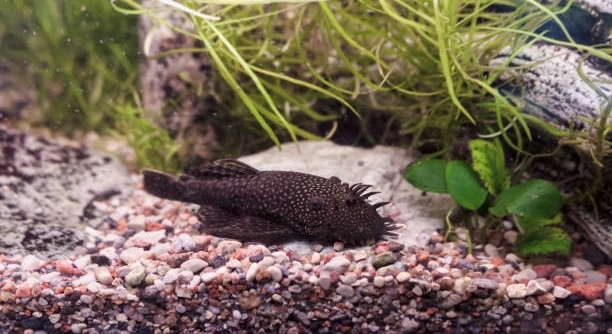
Are you constantly cleaning your pleco tank, thinking it’s the best way to keep your fish healthy and happy? Overcleaning can seem helpful, but it might be doing more harm than good in the long run.
Excessive cleaning of a pleco tank can disrupt beneficial bacteria, stress the fish, and alter water chemistry, leading to an unhealthy environment. Recognizing overcleaning signs helps maintain balance and supports the overall health of your aquarium system.
Understanding these signs will help you adjust your cleaning routine and create a more stable, comfortable space for your pleco.
Frequent Water Changes Without a Reason
Overcleaning often starts with unnecessary water changes. Many pleco owners believe frequent water changes will keep things perfect, but it can do the opposite. While water changes are important, doing them too often removes essential nutrients and disrupts beneficial bacteria colonies. Plecos are hardy fish, and their tanks don’t need constant disturbance. When water is replaced too frequently, the environment becomes unstable. This sudden shift in water chemistry can stress the fish, affecting its health and behavior. A good habit is to test the water first—only change it when it’s truly needed. Weekly water changes are not always necessary, especially if your filter is working properly. If nitrate levels are under control and your pleco is acting normally, a smaller water change every two to three weeks is often enough. This helps keep a stable ecosystem, reducing stress and making the tank safer and more comfortable for your pleco.
Too many water changes can do more harm than good. Plecos need consistency, not constant interference.
Instead of focusing on a strict cleaning schedule, look at the tank’s conditions. If the water looks clear, tests are normal, and your pleco is behaving well, there’s no need to rush into changing anything right away.
Overuse of Tank Cleaners
Constant use of cleaners and additives can lead to stress. Many products remove helpful bacteria, which your pleco relies on for a balanced tank environment.
Some people use commercial tank cleaners or water conditioners during every clean, hoping to make the tank safer. However, these additives can disrupt the nitrogen cycle when used too often. Products that eliminate ammonia or neutralize chlorine are helpful in moderation, especially when setting up a tank or during major water changes. But using them repeatedly without checking water parameters may strip away too much of what keeps the tank stable. For plecos, this can mean sudden swings in pH or ammonia levels, which often go unnoticed until health issues appear. Always read the label and avoid daily or excessive use. Let natural bacteria do their job—these organisms break down waste and help maintain clean water. A gentle hand goes a long way when caring for a pleco’s habitat.
Scrubbing Decorations Too Often
Scrubbing tank decorations too often can remove beneficial algae and bacteria. These natural layers help maintain balance in the tank and give plecos something to graze on between meals. Over-scrubbing creates an overly sterile environment that can stress your pleco unnecessarily.
Plecos enjoy algae. It’s a natural food source and provides comfort. Decorations like driftwood, rocks, and artificial plants develop biofilm and soft algae over time, which plecos nibble on throughout the day. When these items are constantly scrubbed or replaced, plecos lose an important part of their daily activity. Instead of aggressive cleaning, consider rinsing with tank water during partial cleanings. This keeps helpful microorganisms intact and prevents harmful fluctuations in water conditions. A bit of algae or surface film isn’t harmful—it’s often a sign of a healthy tank. Let the tank mature naturally, and avoid excessive cleaning that removes these important components.
Focus on cleanliness without erasing the biological value of the tank. Decorations play more than just a visual role—they support feeding and micro-ecological balance. If you notice algae buildup, only clean heavily affected areas and do so gently. Avoid using soaps or harsh scrubbing tools. Natural tank aging helps build a comfortable, stable environment your pleco can thrive in long-term.
Constantly Vacuuming the Substrate
Vacuuming the substrate too often can disturb settled waste, remove biofilm, and increase stress levels in your pleco. While gravel vacuums are helpful tools, daily or overly frequent use can create unnecessary disruption in the tank’s balance.
Plecos often sift through the substrate, especially if you use sand or soft gravel. They pick up bits of food and interact with the surface as part of their normal routine. Constant vacuuming removes small food particles, bacteria, and biofilm—making the tank look clean but feel sterile to the fish. It can also stir up debris, making the water temporarily cloudy and disrupting your pleco’s comfort. Vacuuming should be done in sections and no more than once every two to three weeks unless you see clear buildup. Even then, be gentle. The goal is not to deep clean but to remove excessive waste while maintaining the healthy bacterial layers your pleco depends on.
Replacing Filter Media Too Frequently
Changing filter media too often removes the beneficial bacteria your pleco relies on. These bacteria live in sponges, ceramic rings, and other filter parts, helping to process waste and maintain stable water parameters in the tank.
Instead of replacing everything, rinse the filter media gently in old tank water during routine maintenance. This keeps the bacteria alive while clearing away debris.
Overcleaning the Glass
Scrubbing the tank glass too often can disturb your pleco, especially if it’s resting nearby. Light algae on the glass isn’t harmful and can even provide extra grazing material for your fish.
Focus on cleaning only the front panel when visibility is affected, and leave the other sides with some growth for balance.
Stirring Up Decorations During Cleaning
Lifting or moving all decorations during every cleaning session stresses the pleco and can release trapped waste. Try leaving stable objects in place to avoid disrupting the tank environment too much.
FAQ
How often should I clean my pleco tank?
The cleaning frequency depends on the tank’s size, filtration, and the number of fish, including your pleco. Generally, pleco tanks should undergo a partial cleaning every two to three weeks. Regular maintenance should include spot cleaning, checking water parameters, and removing any visible waste. Only clean the tank thoroughly when necessary, as overcleaning can disrupt the tank’s balance. Focus on keeping the substrate clean and monitoring water quality more often than performing a deep clean.
Can I clean the tank decorations regularly?
Cleaning decorations every few weeks is fine, but avoid scrubbing them too much. Decorations like driftwood or rocks naturally accumulate biofilm, algae, and beneficial bacteria, which are important for your pleco. Over-cleaning or scrubbing these items too often removes these useful elements, leaving your tank sterile and uncomfortable for your pleco. Gently rinse decorations in tank water when cleaning the tank to avoid losing valuable bacteria that help keep the tank stable.
How often should I replace the filter media?
Filter media doesn’t need to be replaced frequently. Replacing it too often removes the beneficial bacteria that process waste in the tank, which can cause harmful spikes in ammonia and nitrate levels. It’s best to rinse the filter media in tank water during regular maintenance and only replace it when it’s physically worn out or clogged. You can replace one part of the filter media at a time if needed, rather than replacing everything at once, to maintain a stable ecosystem.
What’s the best way to clean the substrate?
Vacuuming the substrate can be effective in removing uneaten food and debris, but it should be done sparingly. Over-vacuuming can disturb beneficial bacteria and stir up excess waste into the water. Clean the substrate every two to three weeks or as needed, depending on how much waste is present. If you notice the substrate is overly dirty or smelly, it’s time to clean it, but avoid doing it too often as this can stress your pleco and disrupt the biological filtration in the tank.
Is it okay if my pleco’s tank has algae?
Algae in a pleco’s tank is natural and can even be beneficial. Plecos enjoy grazing on algae, and it provides them with a natural food source. However, excessive algae growth can indicate an imbalance in the tank’s environment, such as excess light or high nutrients. If algae growth becomes too thick, it’s a good idea to adjust the lighting and ensure there’s not too much uneaten food in the tank. A little algae is healthy for your pleco, but it’s important to manage it to prevent overgrowth.
Can I use chemicals to clean my pleco tank?
It’s best to avoid chemicals and cleaners in a pleco tank, as they can harm the fish and disrupt the tank’s delicate ecosystem. Many cleaning products contain harmful substances that can affect the water chemistry or kill beneficial bacteria. If you need to clean the tank, use methods that don’t involve chemicals, such as water changes and gentle rinsing with tank water. Only use chemicals if absolutely necessary, such as for treating specific illnesses, and always follow the instructions carefully.
How do I know if I’m overcleaning my pleco tank?
Signs of overcleaning include changes in your pleco’s behavior, such as hiding more often, lethargy, or decreased appetite. If you notice that the tank’s water parameters are fluctuating or that the fish seem stressed after cleaning, it’s a sign that you may be overdoing it. Overcleaning can also lead to the loss of essential bacteria, which helps maintain water quality. If your pleco is healthy, active, and the water quality remains stable, you’re likely maintaining a good cleaning routine.
Should I clean the pleco’s tank differently from other fish tanks?
While the general cleaning process is similar for all aquariums, plecos have specific needs that may require extra attention. Plecos are bottom dwellers and often rely on the substrate for food, so avoid disturbing the bottom too much. Additionally, plecos benefit from having some algae or biofilm on tank decorations and surfaces, so avoid scrubbing these items too often. The filter should also be cleaned gently to maintain the essential bacteria. Ultimately, focus on a light, consistent cleaning schedule rather than a deep clean every time.
Can overcleaning cause water quality issues in my pleco tank?
Yes, overcleaning can directly impact the water quality in your pleco tank. When you remove too many beneficial bacteria or disrupt the biological filtration by cleaning too frequently, it can lead to poor water quality. This can cause harmful spikes in ammonia, nitrites, or nitrates, all of which are toxic to your pleco. Overcleaning also stresses the fish and removes natural food sources like algae and biofilm. A more balanced cleaning approach ensures that the tank stays healthy without compromising its stability.
How do I clean the tank without stressing my pleco?
To clean the tank without stressing your pleco, avoid drastic changes to the environment. Clean one section of the tank at a time to minimize disturbances. Use tank water when rinsing filters or decorations to preserve beneficial bacteria. Never remove more than 25% of the water at once during a water change, as this could shock your pleco. Keep lighting at normal levels and avoid scrubbing decorations too often. The more gradual and gentle the cleaning, the less stress it will cause for your pleco.
Final Thoughts
Overcleaning a pleco tank can do more harm than good. While it’s important to keep the tank clean, it’s equally crucial to maintain a balance that supports your pleco’s health. Overzealous cleaning can disrupt the beneficial bacteria in the tank, affecting water quality and stressing your fish. Regular maintenance is necessary, but it should be done with care and consideration of the environment your pleco needs to thrive. A stable, well-maintained tank will lead to a happier, healthier pleco in the long run.
Instead of overcleaning, focus on monitoring the water quality and cleaning only when necessary. Routine water changes, along with spot cleaning the substrate and decorations, are sufficient to keep the tank in good condition. Don’t rush into deep cleaning sessions or replace the filter media too often. These actions can upset the biological balance that your pleco relies on. Keeping the environment stable and clean without overdoing it will help your pleco feel secure and prevent unnecessary stress.
In conclusion, the key to a thriving pleco tank lies in moderation and consistency. It’s about finding the right cleaning routine that supports your fish’s needs while preserving the biological filtration in place. Avoid overcleaning, as it can cause more harm than good. A gentle, mindful approach to tank maintenance is the best way to ensure your pleco remains healthy and comfortable. With the right care, your pleco will thrive in its home for years to come.

Hello,
If you enjoy the content that we create, please consider saying a "Thank You!" by leaving a tip.
Every little bit helps us continue crafting quality advice that supports the health, happiness, and well-being of pets around the world, for pets of all shapes, sizes, and species.
We really appreciate the kindness and support that you show us!