
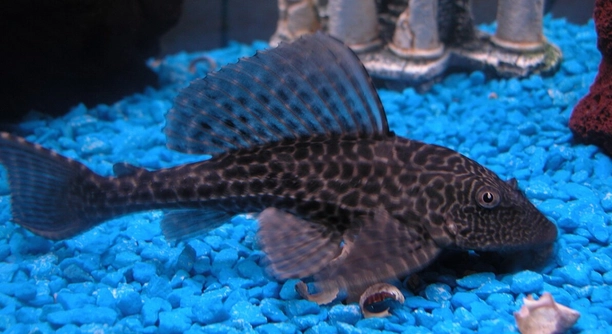
Have you ever noticed your pleco rearranging the tank by moving decorations around? It can be both amusing and confusing to watch. Many fish owners encounter this behavior and wonder what it actually means.
It is normal for plecos to move decorations, as this behavior is linked to their natural instincts. In the wild, plecos dig and forage through substrate, which can result in rearranging objects within their environment.
This behavior may be completely harmless, but there are times when it can signal something more. Understanding the reasons behind it can help you better support your pleco’s comfort and overall well-being.
Why Plecos Move Decorations
Plecos are bottom-dwelling fish that naturally sift through substrate and explore their environment by moving objects around. In aquariums, this behavior often shows up as them pushing or rearranging decorations like rocks, wood, or artificial plants. It is a behavior rooted in their instinct to find food, make space for themselves, or create hiding spots. Since plecos are mostly active at night, you might not always see them in action, but the changes they make in your tank can be noticeable by morning. Their movements are not aggressive or destructive; instead, they reflect their need to interact with their surroundings in a natural way.
Some plecos are more active than others, especially larger or more mature ones. This movement is rarely a sign of distress, so it’s usually nothing to worry about.
Giving your pleco some flexibility in tank design helps them stay active. Avoid sharp or unstable items that could shift and trap them.
When It Could Be a Problem
If your pleco suddenly starts moving everything in sight, check if something has recently changed in the tank.
Stress or discomfort can sometimes lead to excessive rearranging. Changes in water temperature, pH levels, or the introduction of new tank mates may affect your pleco’s behavior. If you notice this sudden shift, it’s best to test the water conditions and ensure everything is within normal range. Overcrowding or a lack of hiding spots can also cause your pleco to act out more than usual. In some cases, aggressive tank mates may be bothering them, prompting them to move decorations to feel safer. Also, if your pleco is outgrowing the tank, this extra activity might signal a need for a larger space. Make sure the tank has soft substrate and solid hiding places, and that your pleco isn’t struggling to feel at ease. Monitoring these things can help you decide if this behavior is natural or something to address.
How to Manage Decoration Movement
Frequent rearranging by your pleco can be controlled by adjusting your tank setup. Choose heavier decorations that are harder to move, and position them securely in the substrate to reduce the chances of shifting.
Use smooth rocks, driftwood, or ceramic items that sit flat and stay in place. Avoid lightweight plastic decorations or tall, narrow items that can easily topple over. If your pleco tends to dig around specific areas, place heavier objects nearby to discourage excessive movement. Creating stable hiding spots using stacked or wedged pieces also helps minimize the need for your pleco to adjust them. If your fish still moves items around occasionally, it is often harmless and not something to stress about. Plecos enjoy staying active, and slight changes in their environment can keep them mentally stimulated without damaging the tank setup.
It also helps to place items where movement won’t affect your filter or water flow. Decorations blocking filter intakes or shifting near heaters can lead to problems, so keep essential equipment clear of the rearranged areas. Make sure your pleco has enough hiding places and room to dig safely without disrupting the entire tank layout. A bit of rearranging is normal, but small adjustments in your setup can keep things balanced.
Choosing the Right Decorations
Opt for sturdy decorations with wide bases that sit flat on the tank floor. This prevents your pleco from pushing or tipping them over easily. Avoid lightweight or hollow decorations that float or move with little effort.
Natural materials like driftwood, stone caves, and large smooth rocks are ideal because they match the pleco’s behavior in the wild. These decorations stay in place better and also give your pleco surfaces to graze algae from, which helps with their diet. Make sure to rinse everything before adding it to the tank to remove any dust or debris. Artificial plants with weighted bases can be helpful, but always check that nothing has sharp edges or unstable parts. If your pleco tends to move a certain item often, try repositioning it in a tighter area or replacing it with something heavier. Finding the right balance keeps your tank tidy and your pleco happy.
Signs Your Pleco Is Happy
A pleco that explores often and rests in its favorite hiding spots is usually content. Healthy plecos will graze on surfaces, stay active at night, and show no signs of stress like erratic swimming or hiding all the time.
Consistent eating habits and smooth, even breathing are also good indicators. If your pleco has a regular routine and reacts calmly to tank activity, it’s likely well-adjusted. A happy pleco won’t isolate itself or act skittish unless startled by sudden changes in the environment.
When to Make Changes
If your pleco is constantly disrupting the tank or seems restless, it may be time to assess your setup. Check the size of the tank, water quality, and availability of proper hiding spots. Sometimes, a tank that once felt safe becomes too cramped or noisy, especially if new fish have been added. In this case, giving your pleco more space or reworking the layout with stable decorations might help. Monitor its behavior for a few days after any changes to ensure it’s adjusting well and not becoming more stressed.
Final Thoughts
A pleco that moves decorations is usually just following natural instincts. With a few adjustments, you can support this behavior without disrupting the rest of the tank.
FAQ
Why does my pleco keep moving the same decoration over and over?
When a pleco repeatedly moves the same decoration, it’s usually trying to create a more comfortable space. This may be an attempt to dig underneath it, claim it as a hiding spot, or clear out debris. Sometimes, it’s a way of securing territory. If the item is light or easy to shift, your pleco may keep adjusting it until it feels just right. This behavior is not usually harmful, but if it becomes excessive, consider replacing the decoration with something heavier or placing it in a way that makes it harder to move.
Is this behavior more common in certain types of plecos?
Yes, some types of plecos are more active than others when it comes to moving decorations. Common plecos and larger species tend to be stronger and more likely to rearrange their environment. Bristlenose plecos are smaller and often less disruptive, though they still dig and graze. Behavior also varies based on age, with mature plecos showing more territorial tendencies. If your pleco is a larger species, especially one known for high activity, expect more tank changes and plan your setup accordingly with stable and safe décor.
Can this be a sign of breeding behavior?
In some cases, yes. Male plecos, especially during breeding times, might dig or rearrange objects to prepare a nesting spot. They might clear out a cave or move items to make it more suitable. If you have a male and female in the same tank and notice this activity paired with guarding behavior, it might be a breeding sign. However, many plecos move things around even without breeding in mind, so context matters. Look for other signs like guarding a specific area, fanning behavior, or reduced movement from one fish.
Is my pleco stressed if it keeps moving things?
Not always. Moving objects can be part of their normal behavior, but if it seems frantic or constant, it may be linked to stress. Triggers like sudden changes in water temperature, poor water quality, or lack of hiding spaces can cause this. It’s a good idea to test the water and check for ammonia, nitrites, or pH issues. Also, review any recent changes in the tank, such as added fish or noise nearby. Providing a consistent environment usually helps calm them down.
Should I let my pleco keep moving things, or stop it?
If your pleco isn’t harming itself or causing trouble for other tank mates, it’s best to let it be. This behavior helps them stay active and mentally stimulated. However, if items are blocking filters, damaging plants, or causing hazards, you should adjust your tank. Replace light objects with heavier, smoother ones and arrange them in a way that prevents movement. A little planning can allow your pleco to enjoy its space while keeping your tank safe and organized.
Will adding more hiding spots help?
Yes, adding more hiding spots can reduce the need for your pleco to rearrange the tank. Plecos like having several places to rest during the day, especially if they’re sharing the tank with other fish. Choose wide, flat pieces of driftwood, caves, or ceramic shelters. If you give them safe areas to retreat to, they may stop trying to build their own. Hiding spots also help reduce stress, especially if your pleco is feeling exposed or threatened.
How do I know if the decorations are safe?
Always choose decorations with smooth edges and solid construction. Avoid anything that’s too lightweight, has sharp corners, or could trap the fish if moved. Materials like stone, ceramic, and driftwood are good choices. Make sure everything is aquarium-safe and free of harmful coatings or paints. If an item keeps tipping over or floating, remove or secure it properly. Keeping the tank setup safe helps prevent injury and keeps your pleco from getting stuck or hurt while rearranging things.
Can plecos damage plants while moving decorations?
Yes, they can. As plecos dig or shift objects, nearby plants may be uprooted or buried. This is especially true with delicate root systems or lightweight plants. If you keep live plants in your tank, opt for hardy ones like Java fern or Anubias that can be attached to hard surfaces. You can also place rocks or decorations around the plant base to protect them. This helps reduce the chance of them being disturbed while still allowing your pleco room to move.
Final Thoughts
Plecos are known for their strong instincts and active nature, which can sometimes surprise tank owners. Moving decorations is a normal behavior, especially for larger or more territorial species. This action often reflects their need to dig, explore, or create hiding spots that feel safe and comfortable. In many cases, it is not something to worry about, as it allows the pleco to stay engaged with its surroundings. However, it can become frustrating if items are being pushed into filters, harming plants, or constantly disrupting the layout of the tank.
Understanding why your pleco moves decorations helps you create a more stable and peaceful aquarium. Adding extra hiding places, choosing heavier or more secure décor, and making sure there’s enough room for your pleco to explore can all reduce unwanted movement. Watching for patterns and signs of stress can also guide you in making helpful changes. If the behavior appears obsessive or is damaging the tank setup, it’s worth checking water conditions and observing interactions with other fish. Most of the time, simple adjustments to layout or tank conditions can make a big difference.
Creating a space that supports natural behavior is one of the best ways to keep your pleco healthy and satisfied. Instead of trying to stop the movement entirely, it helps to work with it by designing a setup that is both sturdy and enriching. Heavy driftwood, anchored plants, and solid caves offer options for your pleco to explore without causing problems. Taking time to observe their habits and reactions will guide you in keeping your tank safe and calm. Over time, your pleco will likely settle into a pattern, and their behavior will become easier to manage.

Hello,
If you enjoy the content that we create, please consider saying a "Thank You!" by leaving a tip.
Every little bit helps us continue crafting quality advice that supports the health, happiness, and well-being of pets around the world, for pets of all shapes, sizes, and species.
We really appreciate the kindness and support that you show us!