
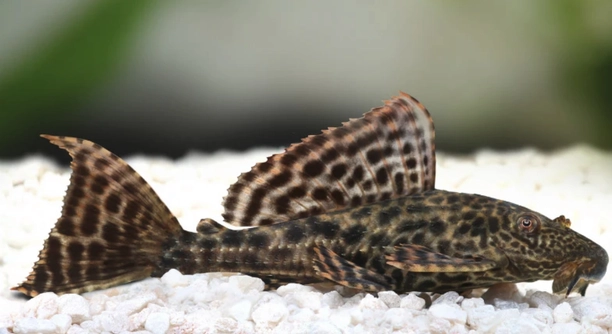
Sometimes, it’s hard to understand why your pleco is acting lethargic. These fish are usually active and hardy, so when they seem sluggish, it can be worrying. Knowing the potential causes can help you care for them better.
There are several reasons why a pleco might act lethargic, including stress, poor water quality, improper diet, or illness. Factors like temperature fluctuations or tank mates can also contribute. Identifying the cause is crucial for providing the right solution.
Understanding these factors will help you address the situation quickly and ensure your pleco stays healthy and happy.
Stress and Environment
Plecos can become lethargic when they are stressed, often due to changes in their environment. If you’ve recently moved your pleco or introduced new tank mates, it can take time for them to adjust. Stress can also arise from loud noises or constant movement around the tank. It’s essential to create a calm, stable environment for your pleco. Having a consistent routine and minimizing disturbances can help keep stress levels low. If your pleco is hiding more than usual or staying still in one corner, stress is likely the issue.
Changing the layout of the tank or introducing new fish can cause anxiety for a pleco, leading to tiredness. Additionally, stress weakens their immune system, making them more prone to illness. When stressed, they often hide, which may look like lethargy.
To help relieve stress, ensure the tank has adequate hiding spaces and a quiet, secure spot. Also, maintaining a stable temperature and water quality will reduce environmental stressors, allowing your pleco to feel more comfortable and less lethargic.
Poor Water Quality
Water quality plays a significant role in the health of your pleco. High levels of ammonia or nitrites can cause stress, leading to lethargy. Regular water changes and proper filtration are vital to maintain a clean environment. Test the water frequently to ensure it’s safe.
Poor water quality impacts your pleco’s overall well-being. When the water has toxins, it stresses the fish, leading to lethargic behavior. Toxins prevent plecos from thriving, weakening their immune system and causing them to become sluggish. Ensuring your water parameters are balanced—such as pH, temperature, and hardness—will keep your pleco healthy.
Keeping a regular cleaning schedule and monitoring water conditions will prevent issues. A pleco’s lethargy can often be resolved by improving water quality and ensuring they have a safe environment to thrive in.
Improper Diet
Plecos need a balanced diet to stay active. If they aren’t getting enough nutrients, it can lead to lethargy. Ensure you’re feeding them a variety of foods, including algae wafers, fresh vegetables, and occasional protein sources. A poor diet can leave your pleco feeling sluggish and uninterested in swimming.
Plecos are primarily herbivores, but they also need protein to stay healthy. If your pleco isn’t eating enough algae or plant-based foods, it might not get the energy it needs. Inadequate protein or a lack of essential vitamins can make your pleco weak and tired. It’s essential to monitor their eating habits and offer a varied diet.
To ensure a proper diet, include different vegetables like zucchini or cucumber, as well as algae wafers. If your pleco isn’t responding to its food, consider changing the type of food you’re offering or adjusting the feeding schedule.
Illness or Parasites
Illness can be another reason for your pleco’s lethargy. Like any fish, plecos are susceptible to diseases or parasites that affect their energy levels. If you notice other symptoms like discoloration, swelling, or abnormal swimming patterns, your pleco might be ill.
Parasites, such as ich or internal worms, can weaken your pleco’s immune system and cause it to act lethargic. A healthy pleco usually swims actively and explores its tank. When sick, it may stop eating, hide, or stay in one spot. Diagnosing the issue quickly is crucial for proper treatment.
If you suspect illness, quarantine your pleco in a separate tank to prevent the spread of disease. Consult with a vet or an aquarium expert for advice on medication. Early detection and treatment can help your pleco recover faster and get back to its active self.
Temperature Fluctuations
Plecos are sensitive to temperature changes. If the water temperature is too high or too low, it can cause them to become sluggish. Keeping the water at a stable, appropriate temperature will help prevent stress and lethargy in your pleco.
Ensure the water temperature is between 72°F and 82°F (22°C to 28°C) for optimal health. Use a reliable heater and thermometer to maintain consistent conditions. When the temperature fluctuates too much, your pleco may become stressed, leading to lethargy or even illness.
Tank Size and Space
Plecos grow large and need plenty of space. A small tank or overcrowded environment can make them feel stressed and lead to lethargy. Providing an appropriately sized tank helps keep them active and healthy.
An overcrowded tank can cause stress from limited space, and plecos may become more reclusive or inactive. If your pleco is lethargic and the tank feels cramped, consider upgrading to a larger one. Plecos thrive in tanks of at least 30 gallons or more, depending on their size.
Tank Mates
Plecos are generally peaceful but can become lethargic if their tank mates are aggressive or too active. They prefer calm environments where they are not constantly stressed by other fish. Watch for signs of aggression in other species.
Aggressive tank mates might chase or nip at your pleco, causing stress and slowing its movements. If this happens, it’s best to separate the aggressive fish. Ensure that your pleco has enough space to retreat and feel safe. A peaceful environment will encourage your pleco to be more active and healthy.
FAQ
Why is my pleco not eating?
If your pleco isn’t eating, it could be due to several reasons. Water quality is one of the main culprits. If the tank water is unclean or improperly balanced, your pleco may lose its appetite. Another reason could be stress, particularly if you’ve made recent changes to the tank, such as adding new fish or rearranging the layout. If the pleco is new to your tank, it might also need time to adjust to its surroundings. It’s essential to ensure the water quality is optimal and the tank environment is peaceful. If the lack of eating persists, consider consulting a vet for further advice.
How do I know if my pleco is sick?
When a pleco is sick, there are several signs to watch out for. Lethargy, changes in swimming patterns, or hiding more often than usual can indicate illness. Additionally, you might notice discoloration, bloating, or open wounds on your pleco’s body. If it is having trouble swimming or staying near the surface, this can be a sign of illness as well. It’s essential to monitor its behavior and consult an aquarium expert or veterinarian for diagnosis and treatment. Catching the illness early can help ensure a quicker recovery.
Can plecos live with other fish?
Plecos can live with other fish, but it’s important to choose tank mates carefully. They generally do well with peaceful fish that won’t bother them, but avoid aggressive species or those that might outcompete them for food. Additionally, plecos tend to prefer a peaceful environment, so it’s best to avoid overly active or territorial fish. Avoid keeping plecos with fish that may nip at their fins or disturb their space. Having a mix of calm species in a properly sized tank will provide a safe and harmonious environment for your pleco.
How often should I feed my pleco?
Plecos should be fed every day, but the amount and type of food will depend on their age and size. Young plecos generally require more frequent feedings, while adults can be fed once every other day. Offer them algae wafers, vegetables like zucchini or cucumber, and occasional protein-rich foods like shrimp or bloodworms. It’s important not to overfeed, as uneaten food can cause water quality issues. Always remove any excess food after a few hours to prevent the tank from becoming dirty. Providing a variety of foods ensures your pleco gets the nutrients it needs.
Can I add plecos to a tank with other bottom feeders?
It’s possible to have plecos with other bottom feeders, but there are some things to keep in mind. Plecos are bottom-dwelling fish and may compete for space or food with other species that occupy the same area. Make sure the tank is large enough to accommodate multiple bottom dwellers and provide enough hiding spots for each fish. Species like corydoras or other peaceful bottom feeders can usually coexist with plecos, but more aggressive species might cause stress. Monitor the interactions between the fish and ensure there’s no aggression or food competition.
How can I improve my pleco’s health?
To improve your pleco’s health, ensure they have a clean and stable tank environment. Regularly test the water parameters, such as pH, ammonia, nitrites, and nitrates, and perform water changes as needed. Maintain a consistent temperature between 72°F and 82°F (22°C to 28°C) and provide a variety of food sources. Additionally, make sure your pleco has ample space and hiding places to reduce stress. If your pleco shows signs of illness or lethargy, address the underlying cause promptly, whether it’s water quality, diet, or potential disease.
Why is my pleco hiding all the time?
Hiding is a common behavior in plecos, especially if they’re stressed or uncomfortable. If your pleco is new to the tank, it may take some time to adjust to its new environment. In some cases, if the tank is overcrowded or if there are aggressive tank mates, your pleco may hide to feel secure. Poor water quality can also make your pleco retreat to darker, more secluded spots. If hiding persists, check the water parameters and the behavior of other fish. Adding more hiding spots or rearranging the tank can help your pleco feel more comfortable.
Is it normal for my pleco to be less active at night?
Plecos are primarily nocturnal, meaning they tend to be more active during the night when the lights are off. It’s normal for them to rest or hide during the daytime and become more active at night. If your pleco appears lethargic during the day but is moving around at night, there is likely no cause for concern. However, if it’s excessively lethargic both day and night, it could be a sign of stress, illness, or poor water quality. Make sure to observe your pleco’s behavior at night to confirm it’s just a nocturnal pattern.
How long do plecos live?
Plecos can live a long time, often between 10 and 15 years, depending on the species and the conditions they live in. A healthy pleco in a well-maintained tank with good water quality, proper diet, and a peaceful environment may even live longer. The lifespan can vary, though, based on factors like genetics, tank size, and care. Providing optimal conditions for your pleco is essential to ensuring it has a long and healthy life.
Can plecos live without a filter?
Plecos are sensitive to poor water quality, so a filter is essential for their well-being. While it is technically possible to keep a pleco in a tank without a filter, it’s not recommended. Without a filter, waste products such as ammonia and nitrites can build up quickly, leading to poor water quality and stress for the fish. Regular water changes and monitoring water parameters would be required if you choose to go without a filter. However, having a proper filtration system is the best way to maintain a clean and stable environment for your pleco.
Final Thoughts
Plecos are resilient fish that can thrive in a well-maintained aquarium. However, when they become lethargic, it’s important to understand the underlying causes. From poor water quality to improper tank conditions, the factors affecting their behavior can often be traced back to environmental issues. Ensuring your pleco has a clean, stable habitat is key to maintaining its health and activity levels. Regular water changes, monitoring the temperature, and providing adequate space for swimming can help prevent lethargy and other related issues.
Aside from environmental factors, diet plays a crucial role in your pleco’s well-being. Providing a variety of foods ensures that your fish receives all the necessary nutrients. Algae wafers, vegetables, and occasional protein can all be part of a balanced diet. Overfeeding or underfeeding can also affect their health, so it’s important to feed them the right amount. Keep track of what your pleco eats and adjust the feeding routine as necessary. A well-fed pleco will have more energy and be less likely to exhibit lethargic behavior.
Lastly, it’s essential to observe your pleco regularly. Changes in behavior often provide the first signs of potential problems. If your pleco continues to act lethargic despite proper care, it may be time to consult an aquarium expert or veterinarian. Early detection and intervention can often prevent more serious health issues. By staying proactive about their care and paying attention to their needs, you can help your pleco live a long, healthy, and active life in your aquarium.

Hello,
If you enjoy the content that we create, please consider saying a "Thank You!" by leaving a tip.
Every little bit helps us continue crafting quality advice that supports the health, happiness, and well-being of pets around the world, for pets of all shapes, sizes, and species.
We really appreciate the kindness and support that you show us!