
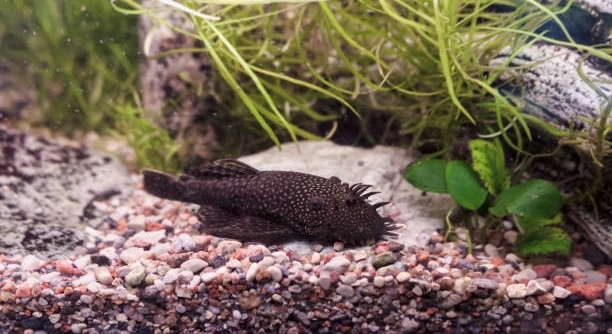
If you’re looking to feed your pleco a healthy diet without breaking the bank, there are affordable options available. Many pleco owners struggle to find budget-friendly foods that are both nutritious and effective for their fish.
The best cheap pleco foods include algae wafers, vegetables like zucchini and cucumber, and sinking pellets. These foods provide essential nutrients for plecos without costing a lot. Regularly feeding a variety of these options helps keep your fish healthy and satisfied.
These affordable options are a great way to ensure your pleco stays well-fed. Keep reading to discover how to make the most of these budget-friendly choices.
Algae Wafers: A Budget-Friendly Staple
Algae wafers are one of the most popular and affordable pleco foods. They are easy to find at pet stores and provide essential nutrients for your pleco, including vitamins and minerals. These wafers are formulated to sink, making them ideal for bottom-dwelling plecos. When using algae wafers, it’s important not to overfeed. A few wafers once or twice a day will typically suffice. Overfeeding can lead to water quality issues, so it’s always best to remove any uneaten food after a few hours.
They are also packed with fiber, which helps in digestion. Algae wafers are a balanced choice for plecos that need a steady food supply.
When selecting algae wafers, check the ingredients for high-quality, natural algae. Avoid those with excessive fillers or artificial additives. Algae wafers also encourage plecos to graze, which mimics their natural feeding habits, promoting overall health. Stick with trusted brands to avoid any unnecessary additives.
Vegetables: Zucchini and Cucumber
Fresh vegetables are a great alternative to pellets. Zucchini and cucumber are two easy and cheap options to add to your pleco’s diet. These veggies are rich in water content and fiber, helping to keep your pleco hydrated and their digestion healthy.
Zucchini and cucumber can be fed raw, but it’s best to blanch them to soften them up, making them easier for your pleco to eat. Cut them into small pieces or slices and place them in the tank. The plecos will nibble on them throughout the day, benefiting from the nutrients.
Sinking Pellets: Affordable and Effective
Sinking pellets are another reliable option for plecos. They are easy to store, and plecos love them. A well-rounded pellet provides a balanced diet with proteins and minerals. These pellets sink to the bottom, ensuring your pleco can enjoy them without competition from other fish in the tank.
Choose sinking pellets that are specifically formulated for plecos. Many general fish food pellets may not meet their dietary needs, so look for those designed for bottom feeders. You can feed your pleco a few pellets daily. Be mindful of portion sizes to avoid leftover food that can affect water quality.
These pellets often include algae and other beneficial ingredients that contribute to your pleco’s overall health. They also promote natural foraging behavior as plecos search for the pellets at the bottom. While not as fresh as vegetables, sinking pellets provide consistent nutrition and help maintain the tank’s ecosystem balance.
Frozen Foods: A Treat Without the Price
Frozen foods such as bloodworms or brine shrimp are a great, affordable treat for plecos. While they can be more expensive than dried options, they are still reasonably priced for occasional feedings. These foods are rich in protein and make for an excellent supplement to your pleco’s regular diet.
Frozen foods are easy to store and prepare. Simply thaw a small portion and drop it into the tank. It’s a good idea to monitor how much food your pleco consumes, as overfeeding can lead to water quality issues. These foods should be considered a treat rather than a staple in their diet.
Green Leafy Vegetables: Cost-Effective Greens
Leafy greens like spinach and lettuce are another cheap option. These vegetables are packed with vitamins, and plecos enjoy nibbling on them. Simply tear the leaves into smaller pieces and place them in the tank. Be sure to rinse them thoroughly before feeding.
Avoid iceberg lettuce, as it lacks nutrients. Spinach and kale are better choices, offering more health benefits. Green leafy vegetables should be fed in moderation, as too much can cause water pollution.
Squash: A Tasty and Nutritious Alternative
Squash, particularly butternut and pumpkin, can be an excellent addition to your pleco’s diet. These vegetables are high in vitamins and minerals. You can blanch them to soften, then cut them into small pieces for easy consumption. Squash provides variety and extra nutrients in their diet.
Plecos enjoy the texture of squash, and it offers an extra source of hydration due to its high water content. Just ensure to remove any uneaten pieces after a few hours to prevent water quality issues. Squash is affordable, nutritious, and easy to prepare for your pleco.
FAQ
What can I feed my pleco besides algae wafers?
Besides algae wafers, plecos can be fed a variety of fresh vegetables like zucchini, cucumber, spinach, or squash. Sinking pellets designed for bottom-feeding fish, frozen foods such as bloodworms or brine shrimp, and even leafy greens can provide a balanced diet. Offering different foods can keep your pleco happy and healthy, mimicking their natural feeding habits.
How often should I feed my pleco?
Feed your pleco once or twice a day, offering only what they can eat in a few hours. Plecos are nocturnal, so you may find that they eat more during the night. Overfeeding can lead to excess waste in the tank, so always remove any uneaten food promptly.
Can I overfeed my pleco?
Yes, overfeeding your pleco can cause health issues and affect the water quality. When you feed too much, leftover food can decompose, leading to an increase in ammonia levels, which harms both your pleco and the tank’s environment. Stick to appropriate portion sizes and monitor the tank after feeding.
Are sinking pellets a good long-term food option?
Sinking pellets can be a good long-term option for your pleco. They are designed to provide essential nutrients, such as protein and fiber, while sinking to the bottom where plecos typically feed. However, it’s important to vary your pleco’s diet by adding fresh vegetables or occasional treats to ensure they receive a well-rounded diet.
What vegetables are best for my pleco?
Zucchini, cucumber, spinach, and squash are great choices for plecos. These vegetables are high in nutrients and water content, which helps maintain hydration and digestion. Be sure to wash them thoroughly to remove any pesticides and blanch them for easier consumption. Offering a variety of vegetables is important for a healthy diet.
How can I prepare vegetables for my pleco?
To prepare vegetables for your pleco, cut them into small, manageable pieces. Blanching the vegetables in boiling water for a few minutes softens them, making it easier for your pleco to eat. You can also weigh the vegetables down with a rock or vegetable clip to keep them from floating.
Can I feed my pleco fruit?
While plecos typically don’t eat fruit in the wild, small amounts of fruit like apples or melon can be offered as a treat. However, be cautious about the sugar content. Fruit should only be given occasionally, as it doesn’t provide the same nutrients that vegetables or algae-based foods do.
Is frozen food a good option for plecos?
Frozen foods like bloodworms, brine shrimp, or daphnia can be a nutritious treat for plecos. These foods are rich in protein, which is essential for growth and overall health. Just make sure to thaw the food before feeding it to your pleco and remove any uneaten food to maintain water quality.
How do I know if my pleco is getting enough food?
A healthy pleco will have a full, round belly and will actively search for food in the tank. If your pleco is not eating enough, it may become lethargic, lose weight, or stop growing. Observe your pleco’s behavior after feeding to ensure it is consuming enough food to stay healthy.
What are the signs of overfeeding my pleco?
Overfeeding can cause bloating, sluggishness, and weight gain in your pleco. Excessive food can also lead to uneaten scraps floating around the tank, which may cause poor water quality, affecting both your pleco and any other fish in the tank. Regular water changes and cleaning will help prevent this issue.
Can plecos live on algae wafers alone?
While algae wafers are a good staple food, they may not provide all the nutrients your pleco needs for long-term health. It’s essential to supplement their diet with a variety of foods, such as fresh vegetables, sinking pellets, and occasional protein-rich treats, to ensure they get a balanced diet.
How do I store frozen food for my pleco?
Frozen foods for your pleco should be stored in the freezer, keeping them in a sealed bag or container to prevent freezer burn. Only thaw the amount you plan to feed at a time. Leftover thawed food should not be refrozen, as this can lead to contamination.
Are there any foods I should avoid giving my pleco?
Avoid giving your pleco foods high in fat, such as processed meats, or foods that are toxic to fish, like onions, garlic, or citrus fruits. These can cause digestive issues or be harmful to their health. Also, be cautious with high-starch foods like bread or pasta, as they can lead to water quality problems.
Can I feed my pleco fish flakes?
Fish flakes are not ideal for plecos, as they are often too small and don’t provide the right nutrients for bottom feeders. Plecos prefer sinking foods like pellets or wafers that are designed to sink to the bottom of the tank. Flakes may also dissolve too quickly, leading to water contamination.
How can I prevent my pleco from becoming too picky with food?
To prevent your pleco from becoming picky, offer a variety of foods, such as vegetables, sinking pellets, and occasional treats. This will not only keep them interested but also provide a balanced diet. Avoid feeding the same food every day, and be consistent with meal times.
Final Thoughts
Feeding your pleco doesn’t have to be complicated or expensive. With a little creativity and knowledge, you can provide a variety of affordable and nutritious foods. From sinking pellets to fresh vegetables, there are plenty of options that can keep your pleco happy and healthy. Regularly rotating their diet will ensure they get the nutrients they need without overfeeding or risking poor water quality.
It’s important to remember that plecos are bottom feeders, so they naturally enjoy foods that sink to the bottom of the tank. Algae wafers, sinking pellets, and vegetables like zucchini, cucumber, and spinach are all excellent choices. These options are not only cost-effective but also support your pleco’s natural feeding habits. You can even experiment with adding frozen foods or occasional treats like squash to keep their diet interesting and varied.
Maintaining a healthy tank environment is equally important when feeding your pleco. Always be mindful of the water quality, and remove any uneaten food within a few hours to prevent it from polluting the tank. With the right balance of foods and proper care, your pleco can thrive, bringing beauty and life to your aquarium. Keep their diet diverse, stick to proper feeding routines, and make sure they have access to clean, safe water for the best results.

Hello,
If you enjoy the content that we create, please consider saying a "Thank You!" by leaving a tip.
Every little bit helps us continue crafting quality advice that supports the health, happiness, and well-being of pets around the world, for pets of all shapes, sizes, and species.
We really appreciate the kindness and support that you show us!