
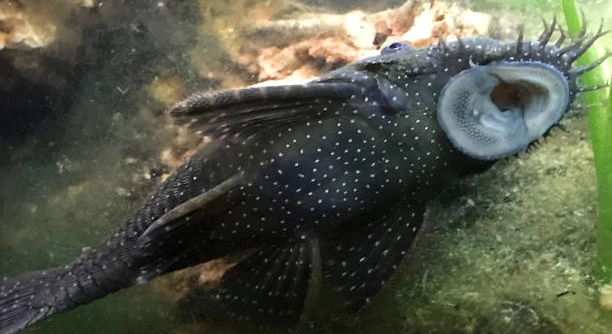
7 Signs Your Pleco Might Be Feeling Territorial
Is your pleco acting a bit different lately? Understanding your pleco’s behavior is crucial to keeping your aquarium harmonious. Plecos are peaceful creatures, but they can become territorial if they feel threatened or overcrowded.
A territorial pleco may exhibit signs like hiding more often, chasing other fish, or showing defensive behaviors when other fish approach their space. These actions indicate that your pleco feels the need to protect its territory.
Recognizing these behaviors early will help you manage your aquarium environment better and ensure a peaceful space for your pleco and other fish.
Hiding and Staying in One Spot
When a pleco starts hiding more than usual, it might be trying to claim a specific area in your aquarium. Plecos are typically bottom dwellers, but if they feel their space is being invaded, they may retreat to a particular corner or object they consider their own. This behavior often becomes more noticeable when other fish in the tank try to approach or share the same space.
This is a clear sign of territoriality. If your pleco has found a hiding spot it feels safe in, it might start spending most of its time there, avoiding other fish.
In most cases, this behavior is not a cause for concern, as plecos need quiet and secure places to rest. However, if your pleco starts staying in one spot for extended periods or refuses to interact with other tank mates, you may need to evaluate if the aquarium is too crowded. Plecos need enough space to swim freely and feel comfortable. Adding hiding spots and rearranging decorations can help reduce territorial disputes and make your pleco feel more secure.
Aggression Towards Tank Mates
If your pleco is suddenly chasing or bumping into other fish, it might be trying to protect its territory. This behavior is often linked to feeling threatened or crowded by other tank mates.
In a tank that is too small or overcrowded, plecos will act defensively and may become aggressive, particularly towards fish that venture too close to their designated space. This can result in stressed fish and a less peaceful environment overall. When plecos become territorial, they will make sure that no one intrudes on their personal area, and this may include aggressive swimming patterns.
A territorial pleco’s aggression can escalate if there are no designated boundaries in the tank. To avoid tension, try to keep the number of fish in check and avoid adding new species that might disturb your pleco’s comfort zone. Larger plecos might also feel stressed in tanks with small or timid fish, which could trigger defensive behavior. By providing adequate space and hiding spots for all tank residents, you can help minimize aggression.
Hiding in Decorations and Crevices
When your pleco begins spending more time in decorations or tight spaces, it’s a sign they feel the need to defend their area. Plecos are naturally shy and enjoy places to hide where they feel safe. If they claim these spots, it may mean they’re establishing boundaries.
This behavior often becomes more noticeable when other fish crowd them. Plecos are nocturnal creatures, so during the day, they might seek out dark crevices or behind rocks to retreat from fish that invade their space. These hiding spots are not just for rest but also a way for plecos to avoid interaction with more dominant tank mates.
While hiding is normal for plecos, it can indicate stress if they stay in one spot for too long. If the hiding becomes excessive, it might be a sign that the pleco feels overwhelmed by other fish. You can reduce this stress by adding more hiding places around the tank or by ensuring that the tank isn’t too crowded. Plecos are less likely to feel the need to claim territory if they have a lot of space to roam.
Increased Restlessness
If your pleco seems unusually restless, constantly swimming from one area to another, it might be a sign of territorial behavior. Often, this restlessness occurs when they feel that their space is being threatened by other fish.
Plecos can get agitated if other tank mates come too close to their favored area. If this happens frequently, the pleco may swim around in an attempt to establish dominance or defend its territory. You might notice your pleco swimming back and forth across the tank or darting in quick bursts. This behavior can also result from a lack of space or overcrowding. When plecos feel confined, they become more active in an attempt to reclaim or patrol their territory.
Ensuring there’s plenty of room in the tank and that each fish has a place to call their own can ease restlessness. You can add plants or other decorations to create more distinct territories within the tank. Giving your pleco enough space will allow it to feel secure, reducing the need for constant movement.
Defensive Behavior Towards Other Fish
If your pleco starts showing defensive behaviors, such as flaring its fins or charging at other fish, it’s a clear sign it’s trying to protect its space. Plecos can become territorial when they feel their environment is being threatened.
This behavior is most noticeable when a pleco feels that another fish is invading its territory. It may swim aggressively toward the intruder, trying to chase them off. This can be especially common if your pleco is the largest fish in the tank, as it may see itself as the dominant species.
If you notice this behavior regularly, consider rearranging the tank or adding new hiding places to spread out the fish’s territories. This can reduce the chance of constant conflict and make the pleco feel more secure in its own space.
Frequent Changes in Swimming Patterns
A pleco that suddenly changes its swimming patterns could be signaling territorial stress. This often happens when it’s trying to establish boundaries within the tank.
When a pleco feels its space is threatened, it might start swimming in circles or back and forth in the same area. This is an attempt to defend its territory and establish dominance over the space. It can also show a lack of comfort or security in its environment.
To minimize territorial stress, keep the tank spacious, and try not to overcrowd. Providing a balance of hiding spots for all fish will reduce the chances of territorial disputes.
Constant Monitoring of Tank Environment
If you notice your pleco frequently patrolling the tank, it may be keeping a close watch over its territory. This behavior typically arises when the pleco is feeling more defensive.
Plecos tend to monitor their environment closely, especially if they feel their territory is being encroached upon. They may swim around the tank in a defensive manner, checking for intruders. While this behavior is a natural instinct, it can be a sign that they feel their space is at risk.
FAQ
What can I do if my pleco is being aggressive?
If your pleco is showing aggressive behavior, such as chasing or bumping into other fish, you should start by ensuring your tank is not overcrowded. Plecos, like many fish, need space to establish their territories. Consider increasing the size of your tank or adding more hiding spots to allow all the fish to have their own space. You may also want to rearrange the tank’s decorations to break up territorial boundaries, giving your pleco and other fish new places to explore without conflict. If aggression persists, it might help to remove the aggressive pleco temporarily to reduce stress in the tank.
How can I tell if my pleco is stressed?
A stressed pleco might display signs such as hiding excessively, becoming more reclusive than usual, or changing its swimming pattern. You may also notice unusual behavior like scraping itself against objects in the tank. Stress can stem from a variety of factors, including overcrowding, poor water conditions, or aggression from other fish. Check your water quality, ensure the tank isn’t too crowded, and observe any changes in behavior to identify possible causes of stress. Reducing stress involves addressing the root cause and ensuring your pleco has a comfortable and secure environment.
Can plecos live with other fish without becoming territorial?
Yes, plecos can live peacefully with other fish if there is enough space and proper tank conditions. The key to preventing territorial behavior is providing sufficient room for each fish to have its own territory. Avoid stocking the tank with overly aggressive or territorial fish, as this can provoke a pleco. Plecos are typically peaceful but will defend their space when needed. You can also add plenty of hiding spots for your pleco, which will help it feel more secure and less likely to display territorial behavior. Maintaining a balanced tank environment is crucial.
Is it normal for my pleco to hide a lot?
Yes, hiding is a normal behavior for plecos, especially during the day. Plecos are nocturnal, meaning they are more active at night and tend to rest or hide during the day. If your pleco is hiding frequently but still seems healthy, this is likely just part of its natural routine. However, if the hiding becomes excessive or if the pleco is hiding in response to other fish bothering it, there might be an underlying issue like stress or territorial disputes. Adding more hiding spots and ensuring the tank is not overcrowded can help.
How do I prevent my pleco from becoming too territorial?
To prevent your pleco from becoming overly territorial, it’s essential to create an environment that allows it to feel secure without the need to defend a particular area aggressively. Make sure your tank is large enough for all the fish to have their own space, and avoid overcrowding. Adding rocks, plants, and other decorations can help provide multiple hiding spots for your pleco, giving it options to retreat if it feels threatened. Additionally, consider the behavior of other fish in the tank, as some species might provoke territorial behavior in plecos. Keep your pleco well-fed and monitor water quality, as poor water conditions can increase stress and aggression.
What should I do if my pleco is hiding and not eating?
If your pleco is hiding and not eating, this could be a sign of stress or an underlying health issue. First, check the water quality to ensure it’s within the appropriate range for plecos. Poor water quality can lead to illness and stress, which may cause a pleco to stop eating. It’s also important to make sure the pleco has access to enough food, especially if it’s sharing the tank with other fish that might outcompete it for food. If the pleco continues to hide and refuse food for an extended period, it may be necessary to consult a vet or aquarium specialist.
Can plecos get along with other plecos?
Plecos can live together peacefully in the same tank, but there are a few things to keep in mind. When housing multiple plecos, ensure the tank is large enough to accommodate them without crowding. Plecos are territorial by nature, so providing plenty of hiding spots and establishing clear boundaries in the tank is essential to reduce conflicts. You may want to house only one pleco in smaller tanks to prevent competition for space. If you want to keep more than one pleco, make sure the tank has enough room for them to have separate territories and avoid aggressive encounters.
How often should I feed my pleco?
Plecos are generally easy to care for when it comes to feeding. Depending on the species, plecos can be herbivores, omnivores, or carnivores, so you’ll need to provide the appropriate food. Most plecos eat algae, but it’s important to supplement their diet with high-quality sinking pellets, vegetables like zucchini or spinach, and occasional protein sources like bloodworms. Generally, feeding your pleco two to three times a week is sufficient, but ensure it has access to food at all times if it prefers grazing. Be sure not to overfeed, as uneaten food can cause water quality issues.
Final Thoughts
Understanding your pleco’s territorial behavior is key to ensuring a peaceful aquarium environment. Plecos are naturally calm and peaceful fish, but they can become territorial when they feel their space is being threatened. By recognizing the signs of territorial behavior, you can take steps to reduce stress and create a more harmonious tank. These signs include hiding more than usual, chasing other fish, or acting defensively. It’s important to observe your pleco closely to understand what may be causing this behavior.
The best way to prevent or minimize territorial issues is by providing ample space and hiding spots. A spacious tank with plenty of decorations allows each fish, including your pleco, to have its own area. Rearranging tank decorations from time to time can also help reduce aggression, as it breaks up established territories and provides new areas for fish to explore. Make sure your pleco has enough room to swim freely without feeling cramped or cornered. With proper tank management, plecos can live peacefully with other fish and won’t feel the need to become territorial.
While territorial behavior is natural for plecos, it’s essential to ensure that they’re not overly stressed or aggressive. Keeping an eye on the tank’s overall health, maintaining good water quality, and avoiding overcrowding will make a big difference. If territorial behavior persists, it may be a good idea to re-evaluate the fish species in the tank and ensure that they’re compatible with your pleco. A balanced, well-maintained tank is the key to keeping all your fish happy and reducing territorial disputes.

Hello,
If you enjoy the content that we create, please consider saying a "Thank You!" by leaving a tip.
Every little bit helps us continue crafting quality advice that supports the health, happiness, and well-being of pets around the world, for pets of all shapes, sizes, and species.
We really appreciate the kindness and support that you show us!