
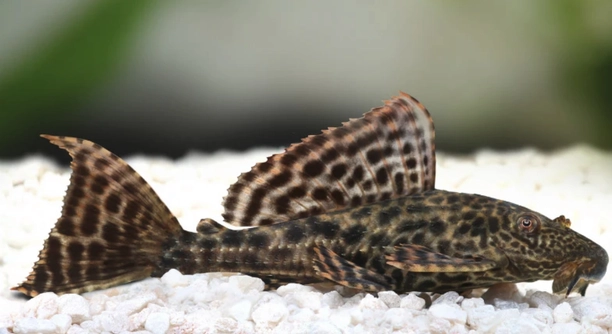
Many aquarium owners enjoy having a plecostomus, also known as a pleco, in their tank. This popular fish is known for its ability to keep the tank clean. However, caring for a pleco also raises some important questions.
Vacuuming around a plecostomus is not usually necessary, as they primarily feed on algae and debris. It’s essential to avoid disturbing their habitat too much, as plecos tend to prefer hiding in peaceful areas of the tank.
Understanding how to care for your plecostomus will help ensure it thrives in your aquarium. It’s important to know how to balance cleaning your tank while respecting your fish’s environment.
The Role of Plecostomus in Aquarium Cleanliness
Plecostomus are often added to aquariums for their cleaning abilities. These fish naturally feed on algae, leftover food, and other organic debris in the tank. This makes them a great asset in maintaining a cleaner environment. They usually spend their time scraping surfaces or resting in dark areas, leaving the water clearer and healthier for other fish. However, they won’t do all the work, and regular tank maintenance is still necessary.
While plecos help reduce algae growth, they don’t eliminate the need for regular water changes. The pleco’s diet of algae and waste won’t keep your tank entirely clean. Uneaten food and organic matter can still build up on the bottom. For this reason, vacuuming around them is important. It helps remove waste and debris the pleco can’t get to, ensuring the tank remains healthy for all inhabitants.
Maintaining a clean tank is about more than just having a pleco. It requires attention to detail, including checking the substrate for debris and using a vacuum to remove excess waste. Vacuuming around the pleco, while ensuring its hiding spots remain undisturbed, is crucial for maintaining balance.
Vacuuming Around a Pleco
Vacuuming around a plecostomus should be done carefully to avoid disturbing its habitat. These fish can get stressed if their hiding spots are constantly disrupted.
A gentle vacuuming routine is ideal when you have a pleco in the tank. Make sure to clean the areas the pleco can’t reach, like corners or deep spots in the substrate. A good rule of thumb is to vacuum the gravel without bothering your pleco’s favorite hiding places. Plecos prefer dark, quiet spaces, and disrupting these areas too much can stress them out.
How Often Should You Vacuum Around a Plecostomus?
It’s best to vacuum around a plecostomus every one to two weeks. This helps maintain a clean environment without disturbing your fish too often. A gentle approach ensures the pleco is not stressed.
When vacuuming, focus on spots where waste and debris accumulate, such as corners or deep areas of the substrate. Plecos often leave algae on surfaces, but leftover food and other debris may remain unnoticed. These can negatively affect water quality if left unchecked. It’s important to strike a balance between cleaning the tank and not disturbing the pleco’s space too much.
If you find that the pleco’s usual spots are getting dirty or overrun with algae, it may be time to clean them more often. However, avoid using harsh cleaning methods that could harm your fish or cause stress. Regular but gentle vacuuming will keep your tank in good condition while allowing the pleco to thrive.
The Best Way to Vacuum Around Your Pleco
Vacuuming around a pleco requires a gentle touch to avoid unsettling the fish. Use a siphon vacuum with soft tubing that won’t disturb the pleco’s hiding spots.
When you vacuum, move slowly and carefully around areas where the pleco rests. Avoid disturbing the areas that the pleco frequently hides in, like under decorations or rocks. It’s also helpful to vacuum the substrate gently, ensuring that the vacuum is not too forceful. Plecos do not like sudden movements or changes in their environment, and cleaning too aggressively can cause them stress. Keeping their environment calm and undisturbed is key for their health.
If possible, aim to vacuum the tank when the pleco is less active. This reduces the chances of startling the fish and ensures they can retreat to their hiding spots without stress.
Benefits of Vacuuming Around a Plecostomus
Vacuuming regularly helps maintain water quality by removing organic debris and waste that plecos can’t reach. This supports a healthier environment for all tank inhabitants.
By removing excess waste, vacuuming reduces the risk of poor water quality, which can lead to algae overgrowth, cloudy water, or even harmful bacteria. The pleco may help clean the surfaces, but it’s not enough to ensure a fully balanced ecosystem. Regular vacuuming also keeps the substrate clean, benefiting the tank’s biological filtration. This routine contributes to a better overall aquarium environment.
The Right Vacuuming Tools for Your Pleco
Using the right vacuuming tool makes all the difference when cleaning around your plecostomus. A gentle siphon or gravel vacuum with soft tubing works best.
Avoid using vacuums with strong suction or harsh tools, as they can damage the delicate environment of the tank and startle the pleco. Opt for a tool that allows you to control the suction, ensuring that you clean the tank without disturbing the pleco’s hiding spots or making the cleaning process too stressful. It’s important to be gentle to preserve the fish’s comfort.
FAQ
How do I avoid stressing my plecostomus while vacuuming?
To avoid stressing your pleco, take a slow and gentle approach. Vacuum the tank slowly, making sure not to disturb their hiding places or favorite spots. It’s a good idea to vacuum when the pleco is less active, as they tend to hide or rest in dark areas. Using a soft siphon with controlled suction can also help ensure you’re not disturbing them too much. If the pleco gets startled, it may hide for an extended period, which could cause stress.
Can I vacuum around my pleco every time I do a water change?
Yes, vacuuming around the pleco during water changes is a good practice. It helps remove waste and debris that have accumulated in the substrate. While plecos are great at cleaning algae, they can’t reach all the debris that falls to the bottom of the tank. Cleaning once every one to two weeks should be sufficient to maintain a healthy environment without stressing your fish.
Is it safe to vacuum the entire substrate around the pleco?
It’s safe to vacuum the substrate around your pleco, but you should do so with caution. Focus on areas where waste and food buildup are more likely to accumulate, like corners or near decorations. Avoid vacuuming too aggressively near the pleco’s hiding spots. Use a vacuum with soft tubing to minimize the risk of disturbing them.
Will vacuuming damage the pleco’s environment?
Vacuuming the tank won’t damage your pleco’s environment as long as you are gentle and avoid disturbing their favorite hiding spots. Using the right tools and vacuuming slowly ensures that you maintain the balance of your tank. Harsh vacuuming or moving large decorations could cause unnecessary stress or change the pleco’s environment too much.
Can I vacuum while the pleco is active in the tank?
It’s better to vacuum when the pleco is less active or hiding. If the pleco is swimming around, it may become startled by the suction and hide in a different part of the tank. This can be stressful for the fish. If it’s necessary to vacuum while the pleco is active, do it slowly and avoid areas where the fish tends to rest.
Should I remove my plecostomus during a tank cleaning?
It’s not necessary to remove the pleco for routine tank cleaning or vacuuming. As long as you’re gentle and avoid disturbing their hiding places, the pleco should be fine. However, if you need to rearrange the tank or perform a deeper cleaning that involves removing decorations or large objects, you may want to temporarily relocate the pleco to reduce stress.
What can happen if I don’t vacuum around the plecostomus regularly?
If you don’t vacuum regularly, debris and uneaten food can build up in the substrate. This can affect water quality and lead to algae overgrowth or the growth of harmful bacteria. Poor water quality can negatively impact your pleco’s health and the overall health of your tank. Regular vacuuming ensures that the tank remains clean, which promotes a healthier environment for all the fish.
How can I tell if my plecostomus is stressed by vacuuming?
If your pleco is stressed by vacuuming, it may swim erratically, hide more often, or appear to be avoiding areas where you’re cleaning. Stress can also manifest in a loss of appetite or disinterest in its usual activities. If you notice these signs, try to vacuum at a slower pace or during a time when the pleco is less active.
What should I do if the pleco hides too much after cleaning?
If your pleco hides more than usual after cleaning, it’s likely due to stress from the vacuuming process. Give your pleco time to settle back into its environment. Avoid disturbing its hiding places for a while. Make sure the tank conditions are ideal—clean water, plenty of hiding spots, and no sudden changes to the tank environment.
Can I use a regular aquarium vacuum on a plecostomus tank?
A regular aquarium vacuum can be used on a pleco tank, but you should be mindful of the suction power and the size of the tubing. Plecos live in environments with rocks, decorations, and other hiding places, so using a vacuum with adjustable suction or a soft tube is recommended to avoid disturbing them. It’s important to use the vacuum in a controlled way, particularly around their hiding spots, to prevent stress or damage to the tank setup.
Do plecos need their own dedicated cleaning routine?
Plecos do not need a completely separate cleaning routine, but their presence should be considered when cleaning the tank. While they do help reduce algae and debris, regular cleaning of the substrate and water changes are still necessary. The pleco’s cleaning abilities can reduce the workload but shouldn’t replace routine maintenance. It’s essential to balance vacuuming and maintaining water quality for the health of all tank inhabitants.
Final Thoughts
Taking care of a plecostomus involves more than just adding it to your tank and hoping for the best. While these fish are excellent at cleaning algae and leftover food, they don’t take care of everything. Regular vacuuming around the pleco ensures that the rest of the tank remains clean and healthy. Even though plecos are great at keeping surfaces clear, debris and waste can still build up in the substrate, and that’s where vacuuming becomes important.
When vacuuming, it’s essential to use the right tools and be gentle. Plecos are sensitive to changes in their environment, so avoiding disruption of their hiding spots is crucial. Slow and steady cleaning is the best approach. With a proper routine, you can keep the tank clean while minimizing stress on your pleco. Regular water changes, along with periodic vacuuming, will go a long way in maintaining a healthy and balanced aquarium for all the fish.
Overall, vacuuming around a plecostomus is necessary to ensure your tank stays clean and your fish remain healthy. While plecos are wonderful for cleaning algae and some waste, they aren’t enough on their own. A regular cleaning routine that includes gentle vacuuming will help keep your aquarium environment in top shape. It’s all about balance—keeping the pleco’s space peaceful while still maintaining the overall cleanliness of the tank.

Hello,
If you enjoy the content that we create, please consider saying a "Thank You!" by leaving a tip.
Every little bit helps us continue crafting quality advice that supports the health, happiness, and well-being of pets around the world, for pets of all shapes, sizes, and species.
We really appreciate the kindness and support that you show us!