
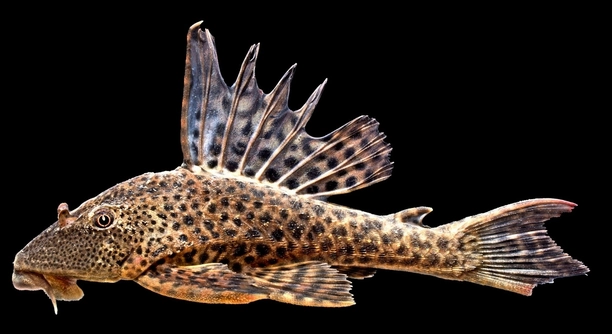
Many aquarium owners may notice their plecos stirring up sand in their tanks. This behavior can be puzzling if you’re unsure why it’s happening. Understanding the cause can help address it effectively.
Plecos may kick up sand due to their natural feeding habits. These fish are bottom dwellers and sift through the substrate to find food, which can lead to disturbed sand. This is a normal, instinctive behavior.
While it may seem like a mess, it’s just a part of your pleco’s routine. Learning more about their habits can help you manage your aquarium more easily.
Why Does My Pleco Stir Up Sand?
Plecos are natural scavengers that spend most of their time on the bottom of the tank, searching for food. When they kick up sand, it’s typically because they are sifting through it to find any leftover food or small particles. This behavior is not only instinctive but also beneficial to their health. By stirring up the sand, they can access the microscopic organisms and detritus that might be hidden beneath the surface. For a pleco, this action mimics their behavior in the wild, where they often sift through substrate for nourishment.
The constant movement of sand is common in tanks with plecos. They may even kick it up around decorations and plants, creating a messy look. This doesn’t necessarily mean something is wrong with the tank or the pleco’s health.
If you notice that your pleco is often stirring up the substrate, there’s usually no need for concern. However, it might indicate that the substrate is too deep or the pleco isn’t finding enough food. In these cases, it’s worth evaluating their feeding habits and tank setup.
Can This Behavior Be Prevented?
If you prefer a cleaner tank with less sand disruption, some simple changes can help. Consider adding more feeding options and places for your pleco to forage.
Plecos are bottom feeders by nature, and their sand-stirring behavior is linked to their instinctive need to search for food. They can be provided with sinking pellets or other food types that make it easier for them to forage without disturbing the substrate. Additionally, choosing a substrate that is too fine may cause more sand to be moved around. A slightly coarser material might reduce how much your pleco stirs up.
Understanding your pleco’s habits helps maintain a clean tank and keeps your fish happy. As long as they have enough to eat, they may calm down and limit the amount of sand kicked up.
Is Sand Stirring Harmful to My Pleco?
In most cases, sand stirring isn’t harmful to your pleco. It’s a natural behavior that helps them find food and stay active. However, there are a few things to consider if it seems excessive.
If the substrate in your tank is very fine, your pleco might stir up too much, making the tank look messy. It’s also important to ensure the pleco isn’t disturbing delicate plants or decorations. Constant sand movement could dislodge these items, especially if they aren’t securely placed. While it isn’t directly harmful, it can create an imbalance in the tank if left unchecked.
If your pleco appears stressed or spends more time stirring sand than feeding or resting, this might be a sign that it’s not getting enough food or that the tank setup isn’t optimal. Make sure there is enough varied food and hiding spaces. Proper tank maintenance can minimize the impact of sand-stirring while supporting your pleco’s health.
Should You Change the Substrate?
If you find that the sand in your tank is constantly stirred up and creates more mess than you’d like, changing the substrate might help. A coarser substrate can reduce how much sand is kicked up, but it’s essential to choose something that is still comfortable for your pleco.
When choosing a new substrate, look for something that is safe for plecos to sift through. Gravel or larger sand particles can help minimize disturbances while providing a suitable environment for your pleco’s natural behavior. It’s crucial to balance the appearance of your tank with the needs of your fish. Too fine a substrate could cause issues, while too large a substrate might limit their ability to forage.
Ensure the new substrate is easy to clean and doesn’t trap debris. A clean tank helps maintain water quality and overall fish health.
Is My Pleco Kicking Up Sand Due to Stress?
If your pleco is kicking up an unusually large amount of sand, it might be stressed. Stress could come from various factors, such as poor water quality, overcrowded tanks, or sudden changes in the environment.
Monitor your tank’s water parameters closely to ensure they are within the proper range. Plecos are sensitive to changes in temperature, pH, and ammonia levels. If any of these are out of balance, your pleco might act out by stirring up sand more frequently. Providing a stable environment with good filtration can help keep your pleco calm and prevent unnecessary sand-stirring.
Can Lack of Food Cause More Sand Stirring?
A pleco that isn’t getting enough food might increase its sand-stirring behavior as it searches for more to eat. Plecos are bottom feeders and rely on small particles and leftover food.
Make sure you’re feeding your pleco enough, particularly sinking pellets or algae wafers. Adding other food options like vegetables or occasional live food will also give your pleco the nutrition it needs. If you notice sand-stirring increases after feeding times, it might mean they are still hungry, and additional food could be necessary.
The Role of Tank Size in Sand Stirring
The size of your tank can also influence how much sand your pleco moves. In a cramped environment, your pleco might become more agitated and begin kicking up sand more often. A larger tank offers more space for your pleco to explore and reduces stress, potentially decreasing excessive sand movement.
Plecos benefit from having room to swim freely and access areas where they can find food. A larger tank with proper filtration and plenty of hiding spots helps create a comfortable environment. In a well-maintained, spacious tank, your pleco will likely spend less time stirring up the sand.
FAQ
Why does my pleco kick up sand all the time?
Your pleco is likely kicking up sand because it’s a natural behavior. Plecos are bottom-dwelling fish, and they sift through the substrate in search of food. This behavior helps them find small particles or microscopic organisms. It’s nothing to be concerned about, as it’s a part of their feeding routine. However, if the sand-stirring seems excessive, it could indicate that your pleco isn’t finding enough food or there’s an issue with the substrate.
Can my pleco’s sand-stirring be harmful to other fish in the tank?
In general, the sand-stirring should not harm your other fish. However, if your pleco’s actions are causing too much disturbance, it could lead to debris or particles being stirred into the water. This may affect water quality or stress other fish if they are unable to find a stable spot in the tank. Keep an eye on your tank’s water parameters and make sure the tank isn’t too crowded to reduce any potential harm.
How often should I feed my pleco to reduce excessive sand-stirring?
Plecos should be fed once or twice a day. If they are constantly stirring up sand, it might indicate they are still hungry or not finding enough food. Make sure to provide a balanced diet with sinking pellets, algae wafers, and occasional vegetables like zucchini or cucumber. Overfeeding can lead to poor water quality, but underfeeding may cause them to sift through the sand more often in search of food. Finding the right balance is key.
Can the type of substrate affect how much my pleco kicks up the sand?
Yes, the type of substrate can influence how much your pleco disturbs the sand. Fine sand can easily be kicked up, making it more noticeable. Coarser gravel or larger sand particles are less likely to be stirred up as much. If you prefer a cleaner tank with less sand disturbance, switching to a coarser substrate might help. Just make sure it’s still suitable for your pleco to sift through.
Will changing the size of the substrate help with the sand-stirring problem?
Changing the size of the substrate can help reduce sand-stirring. A coarser substrate, such as medium gravel or larger sand, is harder for plecos to sift through. While this may reduce the amount of sand kicked up, it’s important to ensure the substrate still supports your pleco’s natural behaviors. If it’s too large, it may limit their ability to search for food or feel comfortable. Consider a mix of larger sand and small gravel for a balance.
Is it possible to train my pleco to stop stirring up sand?
Unfortunately, you cannot train your pleco to stop its natural behavior of stirring up sand. Plecos are hardwired to search through the substrate for food, and it’s a natural part of their feeding and exploration habits. However, you can manage the situation by providing enough food, ensuring your pleco is well-fed, and adjusting the tank setup, including substrate and hiding spots, to make them feel more comfortable.
Why does my pleco kick up more sand at night?
Plecos are nocturnal creatures, so they are most active during the night. This could be why you notice more sand-stirring at night. They are likely searching for food during their active hours. Providing food that sinks to the bottom before nightfall might reduce the amount of sand kicked up as your pleco won’t have to forage for food as much during the night.
Does my pleco’s size affect how much sand it kicks up?
Yes, the size of your pleco can have an impact on how much sand it stirs up. Larger plecos will likely disturb more sand simply because they move more sediment with their larger bodies. A larger pleco also requires more food, so it might sift through a larger area in search of nourishment. However, it’s still a normal behavior, and adjusting the tank conditions can help manage it.
Can I prevent my pleco from stirring up sand if I don’t want a messy tank?
While it’s difficult to completely stop a pleco from stirring up sand, you can reduce it by offering enough food in sinking forms, such as pellets or wafers. You can also use a coarser substrate, which is less likely to be disturbed. Additionally, providing hiding spots and places for your pleco to feel secure might decrease unnecessary movement. Regular tank maintenance is also crucial for keeping your tank clean and minimizing the mess.
Will a larger tank help reduce the sand-stirring behavior?
A larger tank can help reduce sand-stirring to some degree by providing more space for your pleco to move around and search for food. In a cramped tank, the pleco might feel stressed or confined, leading to more agitation and sand movement. A larger environment can reduce the likelihood of this behavior becoming excessive. However, if the tank is too small, the pleco will still feel the need to sift through the substrate more often.
Final Thoughts
Plecos are fascinating fish with natural behaviors that might sometimes cause concern for aquarium owners. Kicking up sand is one of those behaviors that can seem unusual or messy at first, but it’s an entirely normal part of their daily routine. Plecos are bottom-dwellers that sift through the substrate to find food, which often leads to disturbed sand. This behavior is instinctive and necessary for their well-being, as it mimics their actions in the wild. So, while it may make your tank look a bit messy, it’s just your pleco doing what comes naturally.
If the sand-stirring becomes excessive or bothersome, there are ways to manage it. The type of substrate you use can play a big role in how much sand gets moved around. Coarser substrates, such as medium gravel or larger sand particles, are less likely to be disturbed than fine sand. Additionally, providing enough food for your pleco, such as sinking pellets and algae wafers, can help ensure that it’s not searching too hard for food. This may reduce the amount of sand it stirs up, as your pleco will be able to easily find its meals without needing to dig through the substrate as much.
Ultimately, understanding your pleco’s behavior is key to managing it. While the sand-stirring might seem like a problem, it’s actually a sign of a healthy and active fish that is following its instincts. As long as the behavior isn’t linked to stress or a lack of food, there’s no need to worry. With proper tank care, a suitable substrate, and enough food, your pleco’s sand-stirring habits can be managed, and you can enjoy watching this fascinating fish in its natural behavior.

Hello,
If you enjoy the content that we create, please consider saying a "Thank You!" by leaving a tip.
Every little bit helps us continue crafting quality advice that supports the health, happiness, and well-being of pets around the world, for pets of all shapes, sizes, and species.
We really appreciate the kindness and support that you show us!