
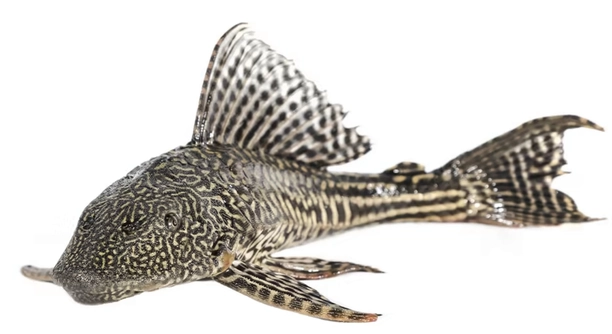
The Plecostomus is known for being most active at night, but understanding why can help you better care for your aquarium. Their behaviors can seem odd, but they follow natural rhythms that are linked to their environment.
Plecostomus, like many other fish species, are nocturnal by nature. Their activity is primarily dictated by the time of day, often increasing during dusk and nighttime when they feel safest and can forage for food in the absence of predators.
Knowing why your Plecostomus behaves this way can help create a better environment for it.
Why Do Plecostomus Prefer Nighttime?
Plecostomus are often more active during the evening, with their behavior driven by natural instincts. As nocturnal fish, they thrive in low light, which helps them avoid predators. This activity is linked to their feeding patterns as well. Plecostomus naturally forage for food after dusk, using their specialized mouth to scrape algae and detritus off surfaces. Their activity increases when the aquarium is quieter, and the light levels drop. This time also offers them a more secure environment, reducing stress and allowing them to focus on their natural behaviors.
Their nocturnal habits are also due to their sensory adaptations. Plecostomus have excellent night vision, which allows them to navigate and forage even in low-light conditions. The absence of bright lights in the evening or night also mimics their natural habitat. This preference for low light conditions is an essential aspect of their behavior.
In captivity, this behavior can sometimes seem unusual to owners. However, understanding this preference is key to providing a stress-free environment. Offering low light in the evening or night will encourage your Plecostomus to feel more comfortable and active.
The Best Time for Plecostomus Feeding
Feeding your Plecostomus in the evening is ideal. Their natural foraging instincts are triggered by the lower light levels, making them more willing to eat.
Feeding at dusk allows Plecostomus to engage in their natural behaviors. When kept on a schedule, they will learn to expect food during this time, which can reduce stress. The food should be offered at the bottom of the tank where they can easily access it. Avoid feeding during the day when the Plecostomus are less active.
The ideal feeding strategy involves placing food at the bottom of the tank to cater to their feeding habits. Plecostomus are bottom feeders and rely on grazing algae and other plant materials. By feeding them during their peak activity hours, you’ll help them feel more comfortable, ensuring they are well-nourished and active. You may also want to add some wood in the tank, as Plecostomus like to chew on it, which helps with their digestion.
Creating the Right Environment for Your Plecostomus
A well-lit aquarium can negatively affect the Plecostomus, as they prefer low light. Providing an environment that mimics their natural habitat helps them feel more secure.
Dim lighting in the tank will encourage your Plecostomus to become more active during the evening and night. Consider using a timer for the lights to establish a consistent day-night cycle. This routine will help regulate their internal clocks. Avoid harsh lighting that can stress the fish. A tank with low light will promote healthy activity levels and a more relaxed, comfortable fish.
Make sure to also include hiding spots in the tank, such as caves or plants. Plecostomus naturally seek shelter during the day, so providing these spaces will help them feel safe. These elements, combined with the appropriate lighting, ensure that your Plecostomus thrives and stays healthy. Over time, you’ll notice your fish becoming more active during their preferred time of day.
Common Misconceptions About Plecostomus Activity
It’s easy to assume that a Plecostomus being inactive during the day means it’s sick. However, this behavior is natural and typical for the species.
Many owners mistakenly believe that inactivity during the day is a sign of stress or illness. In fact, Plecostomus are simply following their natural cycle. When not active at dusk or nighttime, they’re often resting or hiding in caves, away from bright lights. It’s important to understand that the daytime resting period is essential for their well-being.
Trying to force your Plecostomus to be more active during the day could create unnecessary stress. Focus on maintaining a healthy, quiet environment that lets them follow their natural rhythms. By allowing your Plecostomus to rest during the day and become active at dusk, you’ll ensure they are comfortable and stress-free.
The Role of Temperature in Plecostomus Behavior
Water temperature plays a crucial role in your Plecostomus’ activity. Keeping it within the recommended range promotes normal behavior.
If the water temperature is too high or too low, the Plecostomus may become lethargic or stressed. A stable water temperature is vital for their overall health and activity.
Plecostomus thrive in water temperatures between 74°F and 80°F. Sudden temperature changes can lead to inactivity, illness, or stress. Ensuring that your aquarium maintains a steady temperature within this range will help encourage normal activity patterns, especially during dusk when the fish are most active. Consider using a reliable aquarium heater to regulate temperature.
Lighting Adjustments
Adjusting the lighting in your aquarium can significantly influence the behavior of your Plecostomus. Dim, consistent lighting is best.
Keep the aquarium light on for around 10-12 hours a day, mimicking natural daylight. This will encourage your Plecostomus to become active during their preferred nighttime hours.
Bright lighting during the day can disturb the Plecostomus, making them feel insecure. By ensuring your tank has low to moderate lighting, you provide a more natural environment that supports their natural rhythms and activity.
Providing Proper Food for Plecostomus
Feeding your Plecostomus appropriately is key to keeping them active and healthy. They need a variety of food options.
Offer a mix of algae wafers, vegetables, and occasional protein sources like shrimp or bloodworms. Ensure the food is placed near the bottom, where the Plecostomus can easily access it during their active periods.
FAQ
Why is my Plecostomus only active at night?
Plecostomus are nocturnal by nature. This means they are more active during the night when it’s darker and safer from predators. In the wild, they forage for food during the evening, making this their preferred time for activity. Their behavior is linked to their internal biological rhythms, which are aligned with natural light cycles. The lack of activity during the day is normal, as they rest and seek shelter to avoid the brighter light and potential predators.
Can I make my Plecostomus more active during the day?
It’s difficult to change a Plecostomus’ natural circadian rhythm. Forcing them to be more active during the day can lead to stress and health issues. The best approach is to maintain a peaceful environment with dim lighting during the day. Allow them to follow their natural instincts and rest when needed. While they may not become more active in daylight, you can adjust feeding times to align with their natural activity patterns, which will encourage them to stay active during dusk or nighttime.
What should I do if my Plecostomus isn’t eating at night?
If your Plecostomus is not eating at night, there could be several reasons. It may be stressed, sick, or the food offered may not be to its liking. First, ensure the tank environment is suitable with appropriate lighting and temperature. Check that the water quality is good, as poor water conditions can discourage eating. You can try different types of food, such as algae wafers, fresh vegetables, or sinking pellets, to see if it prefers a certain option.
Can I keep my Plecostomus with other fish?
Yes, Plecostomus are generally peaceful and can coexist with other fish in a community tank. However, make sure the other species are not aggressive or too territorial, as the Plecostomus may feel threatened and hide. Ideal tank mates include peaceful species like tetras, guppies, or angelfish. Avoid overly large or aggressive fish that could outcompete the Plecostomus for food or space.
How often should I feed my Plecostomus?
Feeding frequency for a Plecostomus should be about 2-3 times a week. Since they are primarily bottom feeders and enjoy grazing on algae, they do not require daily feeding. Overfeeding can lead to water quality issues, which can stress the fish. On feeding days, ensure the food is placed at the bottom of the tank where the Plecostomus can access it during its active hours.
What type of food does a Plecostomus need?
Plecostomus are omnivores, which means their diet should consist of both plant matter and animal protein. Algae wafers, sinking pellets, and fresh vegetables like zucchini, spinach, and cucumber are great options. You can also occasionally offer protein-rich foods like bloodworms or shrimp. Make sure to provide a variety to ensure they get all necessary nutrients for growth and health.
How do I keep my Plecostomus tank clean?
Plecostomus are helpful in keeping the tank clean since they eat algae and detritus. However, regular maintenance is still required. Perform partial water changes once a week to maintain water quality, and remove any uneaten food from the tank to avoid decay. Additionally, use a tank filter that is appropriately sized for your aquarium to help keep the water clear and free from waste buildup.
Should I provide hiding spots for my Plecostomus?
Yes, providing hiding spots is crucial for the Plecostomus. They are naturally shy fish that prefer to have a safe space to retreat when they feel threatened or during the day when they are resting. Caves, plants, or decorations that mimic their natural habitat will help them feel secure. A well-decorated tank not only benefits the fish but also creates a more natural and visually appealing environment.
What size tank does a Plecostomus need?
Plecostomus can grow quite large, up to 24 inches in some species. Therefore, they require a tank that offers enough space to swim and graze. A 50-gallon tank is usually considered the minimum size for an adult Plecostomus. Larger tanks are ideal, especially if you plan to house multiple fish or species in the same aquarium. Ensure the tank has enough filtration and aeration to maintain water quality, as Plecostomus produce a considerable amount of waste.
Can my Plecostomus live with other bottom feeders?
Plecostomus can generally coexist with other bottom feeders, but space and food availability must be considered. Overcrowding or competition for food can cause stress and aggression. Choose bottom-dwelling species that are not aggressive and ensure there’s enough room for each fish to establish its own territory. It’s important to monitor their behavior to ensure they are not competing too much for resources.
How do I know if my Plecostomus is stressed?
Signs of stress in a Plecostomus can include hiding more than usual, a lack of appetite, or unusual behavior such as rapid breathing or darting around the tank. Stress can result from poor water conditions, inappropriate tank mates, or sudden changes in the environment. To address stress, check the water parameters, ensure the tank is not overcrowded, and provide plenty of hiding places.
How long do Plecostomus live?
Plecostomus typically live between 10 to 15 years when provided with proper care. Their lifespan can be affected by water quality, diet, and overall tank conditions. Regular maintenance, including water changes, proper filtration, and feeding a balanced diet, can help your Plecostomus live a long, healthy life.
Final Thoughts
Understanding the natural behavior of your Plecostomus is essential for maintaining its well-being. As nocturnal creatures, they are naturally more active during dusk and nighttime. This behavior is typical and aligns with their instincts to forage and stay safe from predators. It’s important to provide them with a suitable environment that mimics these conditions. Proper lighting, water temperature, and a peaceful tank atmosphere will support their natural rhythms, encouraging healthy activity patterns.
Taking care of your Plecostomus requires maintaining an appropriate diet and tank conditions. Offer a variety of food, including algae wafers, vegetables, and occasional protein sources like shrimp. It’s crucial to avoid overfeeding, as this can lead to poor water quality, affecting your fish’s health. A well-maintained tank with proper filtration and regular water changes will create a stable environment. Ensuring the water temperature is consistent, within the range of 74°F to 80°F, will further support their well-being.
While it can be tempting to alter their behavior or force them to be more active during the day, it’s best to let them follow their natural patterns. Plecostomus are shy, peaceful fish that thrive when their environment is calm and conducive to their nocturnal lifestyle. By paying attention to their needs and adjusting your tank setup, you can ensure your Plecostomus stays healthy, active, and stress-free for years to come.

Hello,
If you enjoy the content that we create, please consider saying a "Thank You!" by leaving a tip.
Every little bit helps us continue crafting quality advice that supports the health, happiness, and well-being of pets around the world, for pets of all shapes, sizes, and species.
We really appreciate the kindness and support that you show us!