
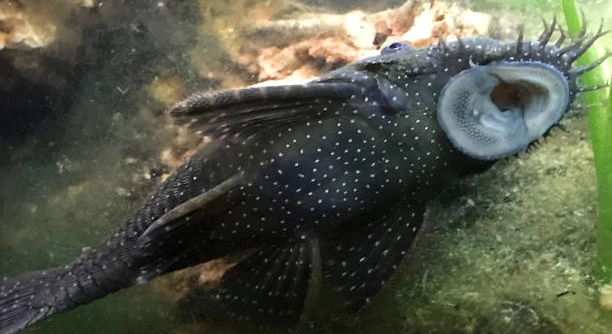
Plecos are fascinating fish, often admired for their algae-eating abilities. Their care needs can vary depending on their species, and understanding their social behavior is crucial for keeping them healthy and content in your aquarium.
Plecos generally do not require companionship for happiness. While they are social creatures, they are often content being solitary, especially in a tank that provides ample space and hiding spots. However, some species may benefit from tank mates.
Understanding their preferences and natural behaviors can help you create an ideal environment for your pleco. Knowing these factors will enhance their overall well-being and ensure they thrive in your aquarium setup.
Do Plecos Enjoy Being Alone or with Others?
Plecos are often solitary in nature, especially in captivity. While they are peaceful fish, they don’t actively seek companionship. Most species prefer having their own space, and many will show territorial behaviors if they feel crowded. This need for space means they thrive best in an aquarium with plenty of hiding spots, which allows them to feel secure. Keeping them in an environment where they aren’t forced to compete for resources or space can reduce stress and improve their overall health. However, it’s essential to ensure they are not kept with aggressive tank mates, as that can lead to unnecessary stress.
In general, plecos are fine alone. While they do not actively seek companionship, they can coexist peacefully with other non-aggressive species if the tank setup is ideal. They don’t form bonds like other fish species and will usually ignore tank mates.
For those who keep plecos in a community tank, it’s important to monitor their behavior. They may spend time hiding, coming out only to feed. This is normal, as plecos are nocturnal. The more natural their environment, the less likely they are to exhibit signs of stress or aggression.
Should You Keep Plecos with Other Fish?
When introducing other fish, consider the tank’s size and layout. Larger tanks with plenty of hiding spaces allow plecos to maintain a comfortable distance from other fish. Peaceful tank mates, such as small tetras or non-aggressive bottom dwellers, are often the best options. Avoid placing plecos with overly territorial fish, as this could cause conflict.
Though plecos are generally easygoing, tank setup plays a crucial role. Choosing tank mates is just as important as ensuring plecos have enough room to thrive. When plecos feel secure, they tend to be more active, feeding properly, and maintaining good health.
Are Plecos Social Creatures?
Plecos do not require constant social interaction. They are mostly solitary, enjoying their space in the tank. While they may tolerate other peaceful fish, they generally prefer to be alone, especially if the tank is large enough for them to have their own territory.
When kept alone, plecos can thrive without stress or competition for space. They typically show little interest in other fish, preferring to focus on their environment, especially during feeding times. This doesn’t mean they can’t coexist peacefully in a community tank, but they won’t seek companionship from others.
In a well-maintained tank with plenty of hiding spots and room to explore, plecos will often avoid interaction with tank mates. Their peaceful nature allows them to coexist with other species, but it’s essential not to overcrowd the space. Overcrowding can lead to territorial disputes and unnecessary stress for the pleco.
Do Plecos Need Interaction with Humans?
Plecos don’t require human interaction to stay happy. Unlike some other fish species, they don’t seek attention or affection from their owners. Their behavior in the tank typically revolves around finding food and exploring their surroundings. While they may occasionally react to movement or food being offered, they aren’t social in the way that some pet species might be.
That said, plecos can become accustomed to their environment and may even recognize their owners over time. They might come out of hiding during feeding, showing curiosity about their surroundings. However, they do not form bonds like other pets and don’t need regular human interaction to remain healthy.
Plecos are independent fish. Their main focus in captivity is finding food and shelter. As long as their needs are met, including a suitable tank environment and a varied diet, they will remain healthy and content. They won’t require attention from their owners to thrive.
Can Plecos Live Alone in a Tank?
Plecos can live alone in a tank, especially if the tank is spacious enough. They prefer having their own space without the stress of competing for resources. As long as they have hiding spots and adequate food, they will thrive alone without the need for tank mates.
Living alone helps plecos maintain a stress-free environment, which is crucial for their health. A solitary pleco can establish its territory, reducing aggression and avoiding conflicts with other fish. With a proper tank setup, they will feel secure and comfortable in their own space, ensuring overall well-being.
The Ideal Tank Setup for a Solo Pleco
When housing a pleco alone, the tank should have plenty of hiding spots and a varied substrate for them to explore. Smooth rocks, driftwood, and caves provide plecos with shelter and stimulation. Ensure there is enough floor space for them to graze on algae and move around without feeling cramped.
An essential part of their tank setup is water quality. Regular filtration and water changes are necessary to maintain a clean environment. Plecos are sensitive to poor water conditions, so keeping the tank well-maintained will help them thrive.
Tank Mates for Plecos
While plecos can live alone, they may also get along with certain non-aggressive fish. Choosing the right tank mates is important to avoid territorial disputes. Peaceful bottom-dwelling fish and non-aggressive species make ideal companions.
Do Plecos Get Lonely?
Plecos are independent fish and do not experience loneliness in the same way humans or some other animals might. They are solitary creatures by nature, and while they might coexist with other fish in a community tank, they do not seek companionship from other fish. In fact, having too many tank mates can cause stress due to territorial behaviors. Plecos are generally content with their space, as long as they have plenty of hiding spots and room to swim.
While plecos can be kept in pairs or groups, it’s important to remember that they are still solitary fish at heart. The need for companionship is not essential for their well-being. What matters most is their environment—proper tank size, water quality, and a comfortable habitat where they can feel secure. Keeping them alone in a large tank with enough hiding places will allow them to thrive without the need for social interaction.
Can Plecos Live with Other Fish?
Yes, plecos can live with other fish, but choosing the right tank mates is crucial. Plecos are peaceful fish, but they are territorial, especially when they feel their space is being invaded. When selecting tank mates, make sure they are non-aggressive and won’t compete for resources. Species like tetras, rasboras, or other bottom dwellers work well with plecos because they don’t disturb the pleco’s territory.
It’s also important to ensure that tank mates are not aggressive or overly active. Fish that are too fast or curious may cause stress to plecos, especially if they invade the pleco’s hiding spots. Additionally, plecos should not be housed with fin-nipping fish, as they may target the pleco’s long fins. Creating a peaceful and stable environment is key to having plecos live harmoniously with others.
What Is the Best Size Tank for a Pleco?
The minimum tank size for a pleco depends on its species. Most plecos, like the common pleco, require a large tank due to their potential size. A 75-gallon tank is often recommended for a single adult pleco. Smaller species like bristlenose plecos can be kept in smaller tanks, usually around 30 gallons, but they still require ample space for swimming and hiding.
In general, the larger the tank, the better for a pleco. A bigger tank allows them to establish their territory, which reduces stress and the risk of aggression. It also provides more room for them to graze on algae and move freely, mimicking their natural habitat more closely. A well-maintained, spacious tank will keep your pleco healthy and comfortable.
What Do Plecos Eat?
Plecos are primarily herbivores, feeding on algae, plant matter, and detritus in their natural environment. In captivity, they need a varied diet to stay healthy. Algae wafers are a common food option for plecos, but they can also be fed vegetables like zucchini, cucumber, and spinach. Plecos enjoy sinking pellets that contain plant-based ingredients.
It’s important to provide them with a balanced diet to ensure proper nutrition. In addition to plant-based foods, plecos may occasionally consume protein-rich foods like brine shrimp or bloodworms. However, protein should only be offered sparingly, as too much can affect their digestive health. Keep in mind that a well-rounded diet is essential for their long-term health.
Do Plecos Need a Filter?
Yes, plecos require a filter to maintain water quality in their tank. Plecos are known to produce a significant amount of waste, so a powerful filtration system is necessary to keep the water clean and oxygenated. A filter helps remove excess waste, uneaten food, and toxins from the water, creating a healthier environment for your pleco.
While plecos are often seen as “clean-up” fish, they should not be relied upon to maintain water quality alone. Regular water changes and proper tank maintenance are essential to ensure that the tank remains in optimal condition. A filter helps reduce the risk of harmful water conditions that can affect the health of your pleco and other tank inhabitants.
How Often Should You Feed a Pleco?
Feeding your pleco once a day is typically sufficient. However, it’s important to provide the right amount of food, as plecos can overeat. Only offer as much food as they can consume in 2 to 3 hours to avoid excess waste buildup. Plecos are nocturnal feeders, so they may prefer to eat at night when the tank lights are off.
In addition to their regular feeding schedule, plecos benefit from having fresh vegetables added to their diet a few times a week. Offering them vegetables like zucchini, cucumber, or sweet potato can supplement their primary diet and help keep them healthy. Avoid feeding them too much protein, as this can lead to digestive issues.
Do Plecos Need a Heater?
Yes, plecos generally require a heater to maintain a stable water temperature in their tank. Most plecos thrive in tropical conditions, with a temperature range of 72°F to 80°F (22°C to 27°C). A heater ensures that the water temperature stays within this range, which is crucial for their overall health and comfort.
It’s important to monitor the water temperature regularly to avoid fluctuations that can stress the pleco. Sudden changes in temperature can weaken the pleco’s immune system, making them more susceptible to illness. A reliable aquarium heater will help create a stable environment for your pleco to thrive in.
Do Plecos Need to Be Cleaned?
Plecos do help keep the tank clean by consuming algae, but they are not a substitute for regular tank maintenance. While plecos may graze on algae, they cannot eliminate all waste or prevent the buildup of harmful toxins in the water. Regular water changes, substrate cleaning, and filter maintenance are still necessary to ensure a healthy environment.
It’s also essential to clean any decorations, rocks, or plants in the tank to prevent algae overgrowth. If the tank is heavily polluted, the pleco’s health can be compromised, even if it’s consuming algae. Regular cleaning ensures that your pleco’s habitat remains free from toxins and harmful bacteria.
Final Thoughts
When it comes to plecos, it’s clear they are hardy, independent fish that can thrive in both solo and community tanks. These bottom-dwellers are relatively easy to care for, as long as their basic needs are met. Plecos require a spacious tank with ample hiding spots, as well as a stable water environment. They do not need companionship to be happy, making them ideal for owners who prefer a solitary fish or have limited space for additional tank mates. The key to a healthy pleco lies in understanding their natural habits and providing a setup that mirrors their natural environment.
While plecos are often thought of as “clean-up” fish due to their algae-eating habits, it’s important to remember that they still require a balanced diet. Algae wafers, fresh vegetables, and occasional protein can help ensure they receive the nutrients they need to stay healthy. Regular feeding, along with the proper tank setup, will help keep them happy. It’s also essential to maintain good water quality by performing routine water changes and using a reliable filtration system. These tasks are crucial, as plecos are sensitive to poor water conditions, which can lead to health issues over time.
Lastly, understanding the needs of a pleco can lead to a long and healthy relationship with this unique fish. While they are low-maintenance compared to other species, they still require attention to detail in terms of diet, tank space, and water conditions. Whether kept alone or with compatible tank mates, plecos can be a wonderful addition to any aquarium. By providing them with the proper care, they can thrive and contribute to the overall health of the tank environment.

Hello,
If you enjoy the content that we create, please consider saying a "Thank You!" by leaving a tip.
Every little bit helps us continue crafting quality advice that supports the health, happiness, and well-being of pets around the world, for pets of all shapes, sizes, and species.
We really appreciate the kindness and support that you show us!