
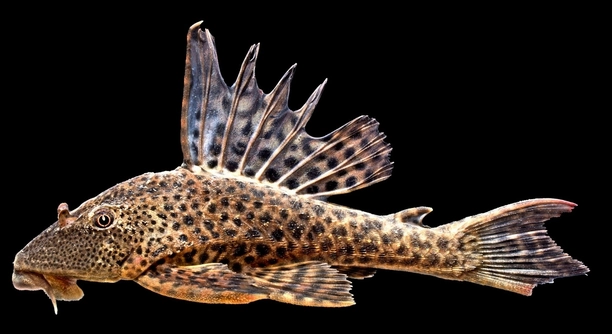
Adding live plants to your pleco tank provides numerous benefits for both the environment and the fish. Plants help create a more natural habitat, improving water quality and providing hiding spaces that plecos need for comfort and health.
Live plants offer multiple advantages for plecos, including enhancing water quality by absorbing excess nutrients, providing hiding spots, and supporting natural behaviors. They also contribute to the overall aesthetic of the aquarium, benefiting both the fish and the tank’s ecosystem.
Incorporating plants into your pleco’s tank can make a big difference in their overall well-being.
Improves Water Quality
Live plants are a natural way to keep your pleco’s tank water clean and clear. They absorb excess nutrients, such as nitrates and phosphates, that can otherwise build up and lead to algae growth. This helps maintain a healthier environment for your pleco and other tank inhabitants. Plants also aid in oxygenating the water, promoting better overall water chemistry. By having live plants in the tank, you can reduce the need for chemical treatments, which can sometimes be harsh on aquatic life. Plants act as a filter, removing waste products and balancing the ecosystem.
Plants help break down organic matter, keeping the water cleaner for longer. This also lowers the frequency of water changes, making tank maintenance easier and more efficient.
The benefits go beyond water quality. A balanced environment encourages natural behaviors in plecos, such as foraging and hiding. When your pleco has access to live plants, they can swim through them, creating a more stimulating and active habitat. This interaction leads to a happier, healthier fish.
Provides Hiding Spaces
Live plants offer essential hiding spots for plecos. Plecos are naturally shy creatures and enjoy retreating to a safe space when they feel threatened. Plants provide that refuge, reducing stress.
By offering plants with different textures, such as broad-leafed varieties, plecos can find better spots to rest and seek shelter. This contributes to their overall comfort and well-being.
In a well-planted tank, plecos can explore, retreat, or rest without the constant pressure of being exposed. Hiding spots prevent them from feeling vulnerable, reducing anxiety and making them feel more secure in their environment. This leads to a more active and less stressed pleco, which is a vital aspect of their long-term health.
Natural Food Source
Live plants can serve as a food source for plecos. Some plecos enjoy nibbling on algae, plant matter, and even detritus found on leaves. This adds variety to their diet, providing essential nutrients that support their health.
In addition to the natural food source, plants help maintain a more balanced tank ecosystem. As plecos graze on the plants, they help prevent overgrowth of algae, naturally controlling tank conditions. The plants themselves benefit by thriving in the nutrient-rich environment that the plecos create. This cycle of consumption and growth supports a sustainable habitat for all tank inhabitants.
Having live plants also allows for the growth of beneficial microorganisms on the plant surfaces. Plecos may feed on these microorganisms, further supplementing their diet. The plants thus help establish a self-sustaining ecosystem that promotes pleco health while maintaining the tank’s natural balance.
Aesthetic Appeal
Adding plants to your pleco’s tank enhances its visual appeal. Plants can make an aquarium look more vibrant and lively. Their greenery adds a natural touch that makes the tank feel fuller and more dynamic.
Not only do plants provide a pleasing aesthetic, but they also improve the overall health of the environment. By creating a natural look with plants, you offer a habitat that is both attractive and functional. Different plant types can complement the pleco’s movements, creating a peaceful, balanced look.
A well-planted tank can become the centerpiece of any room. It provides a serene, calming atmosphere that allows you to enjoy watching your plecos interact with their environment. The combination of fish and plants makes for a visually engaging display, turning your tank into an appealing focal point.
Helps Maintain Tank Stability
Live plants help stabilize the tank environment by absorbing excess nutrients and providing oxygen. This creates a healthier habitat for your plecos by reducing the risk of harmful spikes in water parameters.
Plants also play a role in preventing harmful algae growth. By outcompeting algae for available nutrients, plants help keep the tank clear and maintain a balanced ecosystem, which ultimately benefits the plecos and other fish.
Reduces Stress
Adding live plants to a pleco tank can help reduce stress. Plecos are more likely to feel safe and secure in an environment that mimics their natural habitat, with plants offering hiding spaces and areas to explore.
Stress can lead to health issues, so providing your plecos with plant coverage allows them to behave more naturally and comfortably. This is essential for their well-being and longevity.
Encourages Natural Behaviors
Plecos are bottom dwellers that like to explore their surroundings, often foraging through the tank. Live plants provide them with opportunities to engage in natural behaviors, such as scavenging and hiding.
This not only keeps plecos active but also helps maintain their physical health. A tank with plants offers them more ways to interact with the environment, contributing to their overall well-being.
FAQ
What types of plants are best for plecos?
The best plants for plecos are those that can thrive in low to moderate light and can withstand some nibbling. Hardy plants like Java Fern, Anubias, and Amazon Sword are excellent choices. These plants are easy to maintain and provide good cover for plecos to hide and explore. Some plecos enjoy eating softer plants, so it’s important to choose ones that can handle some wear and tear. In addition, plants with broad leaves or those that grow slowly can work well in a pleco tank.
Do plecos eat live plants?
Yes, some plecos do eat live plants, though this behavior varies by species. Common plecos are more likely to nibble on plants, while others may be more focused on eating algae and detritus. If your pleco is eating your plants, it’s a sign that they may need more variety in their diet, such as algae wafers or vegetables. Plants like Java Fern and Anubias are often more resilient to pleco nibbling because of their tough, leathery leaves.
How can plants help with algae control in a pleco tank?
Live plants help control algae by competing for the same nutrients, such as nitrates and phosphates, that algae need to grow. When plants absorb these nutrients, they limit the resources available for algae, preventing overgrowth. Additionally, plecos themselves can help keep algae in check by grazing on it, providing a natural balance to the tank. A combination of plants and plecos creates an environment where algae struggles to thrive.
How often should I trim the plants in my pleco tank?
Trimming plants is necessary to keep the tank looking neat and to ensure healthy growth. How often you need to trim depends on the type of plants in your tank and how fast they grow. Fast-growing plants like Java Moss may need trimming every few weeks, while slower-growing plants might only need trimming a couple of times a year. Regular trimming also ensures that your pleco has enough swimming space and doesn’t feel crowded. Always remove dead or decaying plant matter, as it can pollute the water.
Will plants survive in a tank with plecos?
Yes, plants can thrive in a tank with plecos as long as you choose the right types. Hardy plants with tougher leaves, such as Anubias or Cryptocoryne, can withstand plecos nibbling. However, more delicate plants with softer leaves may struggle if your pleco has a habit of eating them. Providing a balanced diet for your pleco and ensuring proper lighting and water conditions will also help both the plants and plecos thrive in the same environment.
Do plecos need live plants in their tank?
While live plants are not strictly necessary for plecos to survive, they do provide significant benefits to their health and well-being. Plants help create a more natural environment, offering hiding spaces and areas for plecos to explore. They also help maintain water quality, reduce stress, and encourage natural behaviors, like foraging and grazing. If you want to create a more enriching habitat for your plecos, adding live plants is highly recommended.
How do live plants improve the water quality in a pleco tank?
Live plants improve water quality by absorbing excess nutrients, such as nitrates and phosphates, that could otherwise lead to algae blooms or poor water conditions. They also help oxygenate the water, which is essential for plecos and other aquatic creatures. Plants act as a natural filtration system, removing waste products and reducing the need for chemical treatments. In addition, they help stabilize water parameters, making the environment more suitable for plecos to thrive.
Can live plants help reduce stress in plecos?
Yes, live plants can reduce stress in plecos by providing hiding spaces and a more natural, secure environment. Plecos are shy fish that prefer to have a place to retreat when they feel threatened. By adding plants to your tank, you give your pleco places to hide and feel safe. This can reduce anxiety and promote more natural behaviors, like grazing and exploring. A tank with plants also provides a stimulating environment that encourages plecos to stay active, further reducing stress.
Are live plants easy to maintain in a pleco tank?
Live plants can be relatively easy to maintain in a pleco tank, depending on the species you choose. Hardy plants like Anubias and Java Fern require minimal care, as they thrive in low to moderate lighting and don’t need frequent fertilization. However, you’ll need to make sure the water conditions, such as temperature, pH, and nitrate levels, are suitable for both the plants and plecos. Regular pruning and removal of dead plant matter will also keep the tank looking healthy. As long as you provide proper care, live plants can flourish in a pleco tank.
What should I feed my pleco if it’s eating my plants?
If your pleco is eating your plants, it may be a sign that it needs more variety in its diet. Plecos are primarily herbivores, but they also need protein and other nutrients. Offer them algae wafers, sinking pellets, blanched vegetables like zucchini or cucumber, and occasional protein-rich foods like shrimp or worms. By providing a more balanced diet, you can reduce the likelihood that your pleco will focus solely on your plants.
Final Thoughts
Adding live plants to a pleco tank offers many benefits. They help maintain water quality by absorbing excess nutrients, which can prevent algae overgrowth and improve overall tank conditions. The plants provide a more natural environment, which can reduce stress for plecos and make them feel more at ease. This is important for their well-being, as plecos tend to be shy and need a space where they can hide and feel secure. Live plants also offer a natural food source, further enhancing the pleco’s diet and promoting healthier growth.
While plants can greatly benefit plecos, it’s important to select the right types. Hardy plants that can withstand some nibbling are the best choice. Plants like Java Fern, Anubias, and Amazon Sword are tough enough for plecos and can thrive in their tanks. These plants help keep the environment balanced, offering the necessary hiding spots and grazing opportunities that plecos need. Choosing plants that fit your tank’s lighting and water conditions will make maintenance easier. Proper care of both the plants and plecos will ensure a thriving, balanced ecosystem.
In conclusion, live plants not only improve the appearance of a pleco tank but also contribute to the health of both the plants and the plecos. They help maintain water quality, provide food, and reduce stress for plecos. By selecting the right plants and maintaining a balanced tank, you create a habitat that benefits everyone involved. A well-planted tank makes for a more vibrant and natural space, encouraging plecos to live healthier, more active lives.

Hello,
If you enjoy the content that we create, please consider saying a "Thank You!" by leaving a tip.
Every little bit helps us continue crafting quality advice that supports the health, happiness, and well-being of pets around the world, for pets of all shapes, sizes, and species.
We really appreciate the kindness and support that you show us!