
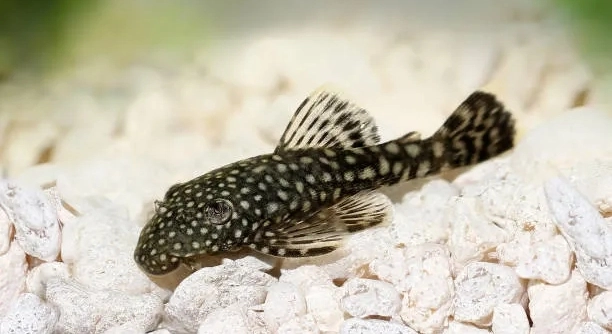
Introducing a new pleco to your aquarium can be an exciting experience, but it also brings certain considerations. Proper care ensures they adjust well and remain healthy. One important aspect is deciding whether quarantine is necessary.
Quarantining new plecos is essential to prevent the spread of potential diseases and parasites. It allows you to monitor their health in isolation, ensuring they do not infect your established tank. This practice helps maintain the overall well-being of your aquarium.
The process of quarantine can greatly affect the health and longevity of your plecos.
Why Quarantining New Plecos is Necessary
When introducing a new pleco, it is crucial to give them a period of quarantine. This process allows you to monitor their behavior and health closely. Plecos are susceptible to various diseases and parasites, which can be introduced to your aquarium if not properly isolated. Quarantining ensures that any issues can be detected early, preventing them from spreading to other fish. It also gives you time to acclimate the pleco to your aquarium’s water parameters, ensuring they adapt smoothly. If quarantine is skipped, your entire tank may be at risk of contamination, which can lead to costly and time-consuming treatments.
Some fishkeepers may find the quarantine process unnecessary, but it’s a precaution that can save you from potential disaster. While it may take some extra effort, the benefits far outweigh the risks.
Not all new plecos will show symptoms of illness immediately. Quarantine can reveal hidden problems that would otherwise go unnoticed. The peace of mind it brings is invaluable, making it an essential part of proper aquarium management.
How Long Should You Quarantine a New Pleco?
The standard quarantine period for new plecos is around two weeks. This gives enough time to monitor their health and check for signs of disease. However, the length of quarantine may vary depending on the pleco’s condition.
During the quarantine, you should observe their behavior closely for any unusual signs. If the pleco appears healthy, it can be introduced to the main tank after the quarantine period. However, if any issues arise, you may need to extend the isolation period and treat the fish as needed. This extra care ensures that your established aquarium remains healthy and safe for all its inhabitants.
By quarantining your plecos properly, you not only protect the health of your new fish but also maintain the stability of your aquarium. Regular monitoring and proper care are key to avoiding future complications.
Signs That Your Pleco Needs Quarantine
If a pleco shows signs of stress or illness, quarantine becomes essential. Watch for abnormal swimming patterns, lack of appetite, or visible signs like white spots or lesions. These symptoms could indicate parasites or diseases that need treatment before introducing the pleco to your main tank.
Plecos may also display erratic behavior, like hiding more than usual, which can be a sign of illness. A healthy pleco should be active and curious. If they appear lethargic or have unusual markings, it’s best to keep them isolated. Quarantining allows for close monitoring, and early intervention can prevent other fish from getting sick.
Properly observing these behaviors early on helps catch any issues before they spread. Immediate action can keep your aquarium’s environment safe, preventing costly and stressful outbreaks.
The Right Quarantine Setup
Setting up a quarantine tank is simple yet important. Use a separate tank with basic equipment, such as a heater and filter. The setup should mimic your main tank’s water parameters to minimize stress on the pleco.
Ensure the tank has minimal decorations to allow the pleco to feel secure without overwhelming them. A bare-bottom tank is ideal for easy cleaning and monitoring the pleco’s health. Keep the water clean and well-oxygenated, as this will help the pleco adjust and recover if needed. Overcrowding should be avoided, as stress from too many fish can affect the pleco’s health.
Monitor water parameters closely, adjusting temperature and pH to match the pleco’s ideal range. Regular water changes will keep the quarantine tank clean and free from contaminants.
The Importance of Proper Acclimation
Acclimating a new pleco to your aquarium environment is crucial. Sudden changes in water temperature or pH can cause shock, weakening the fish and making it susceptible to illness. Gradually introducing them to the new tank helps reduce stress and allows the pleco to adjust without risking their health.
A slow acclimation process includes floating the pleco’s bag in the tank to equalize temperature, followed by slowly mixing tank water into the bag. This helps balance water chemistry and gives the pleco a smooth transition to its new home. This step is especially important for plecos, which are sensitive to water conditions.
Monitoring Water Quality in Quarantine
Water quality is a key factor during the quarantine period. Regular water changes are essential to maintain a clean and healthy environment for your pleco. Test the water for ammonia, nitrites, and nitrates regularly. Elevated levels of these chemicals can harm the pleco’s health.
Proper filtration is also important to keep the water oxygenated and clear. Over time, waste buildup can lead to poor water quality, so frequent water changes help to avoid issues. A stable, clean tank is necessary for your pleco to thrive during their quarantine period. Be sure to stay on top of water maintenance to prevent any health complications.
Dealing with Illness During Quarantine
If your pleco shows signs of illness, quarantine can provide the necessary space to treat them without risking the health of other fish. Immediate treatment is crucial to avoid complications. Depending on the symptoms, you might need to use medications or adjust the water conditions to support their recovery.
FAQ
How long should I quarantine a new pleco?
Quarantine a new pleco for at least two weeks. This gives you enough time to monitor their health, observe any unusual behaviors, and check for any signs of disease or parasites. If any health concerns arise, extend the quarantine period until the pleco has fully recovered.
What are the signs that my pleco is sick?
Look for signs such as lethargy, loss of appetite, abnormal swimming, or visible spots and lesions on the body. Plecos may also hide more than usual or have clamped fins. Any changes in behavior or appearance should be taken seriously, and the pleco should be quarantined for further observation.
Can I add a pleco directly to my main tank?
It’s not recommended to add a new pleco directly to your main tank without quarantine. Even if the pleco looks healthy, they could carry diseases or parasites that may infect your established tank. Quarantining ensures that any potential issues are addressed before they affect other fish.
Should I feed my pleco during quarantine?
Yes, you should continue to feed your pleco during quarantine, but be mindful of overfeeding. Offer small portions of food daily and remove any uneaten food to maintain water quality. Plecos can be fed algae wafers, vegetables, or other suitable foods depending on their species and dietary needs.
Can I treat my pleco with medication during quarantine?
If your pleco shows signs of illness, quarantine is the best time to treat them with medication. Ensure that the medication is appropriate for plecos, as some treatments can be harmful. Always follow the dosage instructions carefully and monitor the pleco’s response to the treatment.
Do plecos need a specific temperature in quarantine?
Plecos prefer temperatures between 74-80°F (23-27°C). During quarantine, it’s important to maintain a stable temperature within this range to reduce stress. Use a reliable heater and thermometer to ensure the water temperature remains constant, as fluctuating temperatures can weaken your pleco’s immune system.
How do I know if my pleco is adjusting well in quarantine?
A pleco adjusting well to quarantine will be active and curious, though they may hide more than usual due to the stress of being in a new environment. They should eat regularly and show no signs of illness. If your pleco appears lethargic or refuses food, further observation is needed.
Can I add live plants to the quarantine tank?
It’s best to avoid adding live plants to the quarantine tank initially, especially if you are monitoring for diseases. Plants can harbor parasites or bacteria. If you do choose to add plants, ensure they are thoroughly cleaned and free of pests before introducing them to the quarantine environment.
Should I use a filter in the quarantine tank?
Yes, a filter is essential in the quarantine tank to maintain water quality. Plecos produce a lot of waste, and a filter will help keep the water clean and oxygenated. Make sure the filter is gentle enough for the pleco, as some plecos can be sensitive to strong currents.
Can I quarantine multiple plecos together?
It’s best to quarantine each pleco separately, especially if they are from different sources. Even if they seem healthy, different plecos can carry different diseases or parasites. Quarantining them separately ensures that any issues can be detected and treated without spreading to other fish.
What should I do if my pleco develops a disease during quarantine?
If your pleco develops a disease during quarantine, immediately isolate them from any other fish in your tank. Treat the disease with the appropriate medication, and closely monitor their progress. Continue water changes and ensure the quarantine tank is clean to help them recover. If necessary, consult with a veterinarian or fish expert for advice.
Can I use the quarantine tank for other fish?
It’s not advisable to use the same quarantine tank for other fish while quarantining a pleco. Cross-contamination could occur, and you may unintentionally introduce diseases or stress to other fish. It’s best to have a dedicated quarantine tank for each new addition to your aquarium.
How do I prepare the quarantine tank for a new pleco?
Set up a quarantine tank with a reliable filter, a heater, and minimal decorations. A bare-bottom tank is ideal for easy cleaning and monitoring. Ensure the water parameters (temperature, pH, hardness) are suitable for the pleco species, and perform regular water changes to maintain clean water.
Do I need to use salt in the quarantine tank?
Using aquarium salt in the quarantine tank depends on the specific needs of your pleco and the condition being treated. Some plecos may benefit from salt if they show signs of stress or parasites, but it’s not necessary for all plecos. Always research the type of pleco and its specific requirements before using salt.
Should I add any aquarium additives during quarantine?
Aquarium additives should only be used during quarantine if they are beneficial for the pleco’s health. For instance, adding a water conditioner to help detoxify the water may be useful. However, avoid adding unnecessary chemicals, as they can stress the pleco further. Always monitor the pleco’s health closely.
Final Thoughts
Quarantining a new pleco is an essential step to ensure the health and safety of your aquarium. By isolating the pleco for a period of time, you can observe them for any signs of illness or disease before introducing them to your main tank. This simple precaution can prevent the spread of harmful parasites or infections that could affect other fish. Quarantine also provides the pleco with a stress-free environment to adjust, which is crucial for their well-being in the long run.
During quarantine, it’s important to maintain a stable environment. Regular monitoring of water quality and temperature helps create the right conditions for the pleco to thrive. Proper feeding and observation during this time will give you a clearer picture of their health. Any unusual behaviors or symptoms should be addressed immediately, and the pleco should be treated accordingly. Keeping the quarantine tank simple with minimal decorations will make it easier to spot any issues and perform necessary treatments if needed.
Overall, taking the time to quarantine your pleco ensures a smoother integration into your main aquarium. By monitoring their health and providing the right care during this period, you increase the chances of your pleco adjusting well and remaining healthy. While it may seem like an extra step, it is a crucial one for maintaining a healthy and thriving aquarium.

Hello,
If you enjoy the content that we create, please consider saying a "Thank You!" by leaving a tip.
Every little bit helps us continue crafting quality advice that supports the health, happiness, and well-being of pets around the world, for pets of all shapes, sizes, and species.
We really appreciate the kindness and support that you show us!