
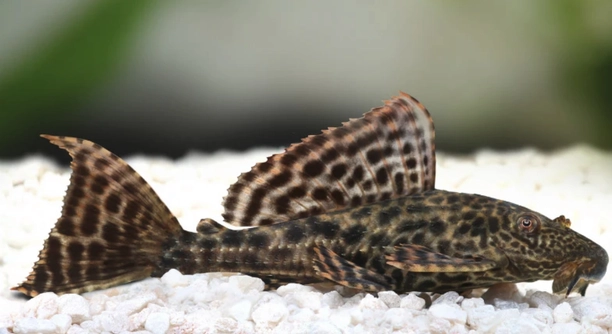
Bringing a new pleco into your aquarium can be an exciting yet challenging experience. Ensuring your pleco adjusts well to its new tank is key to its health and happiness. Let’s look at a few ways to make this transition smoother.
The key to helping plecos adjust to a new tank lies in proper tank setup, water quality, temperature stability, and hiding spots. Additionally, a diet tailored to their needs and minimal stress will make a big difference in their adaptation.
With the right environment and care, your pleco will thrive in its new home. This article highlights the steps you can take to ensure a smooth transition for your fish.
Proper Tank Setup
When introducing a pleco to a new tank, it’s essential to ensure the tank is set up correctly. Plecos are bottom-dwelling fish, so providing a substrate like fine gravel or sand will allow them to sift through and feel more comfortable. They also appreciate having plenty of hiding spots, such as caves or driftwood, to retreat to when they feel stressed. Ensuring that there’s adequate space for swimming is crucial, as plecos can grow quite large.
To ensure a healthy environment, it’s important to set up your tank well before introducing the pleco. This includes adding any decorations or hiding places, and testing the water parameters, such as pH and hardness. It’s also a good idea to allow the tank to run for a few days to ensure everything stabilizes.
A clean, well-structured tank will make your pleco feel at home. Setting up the space properly reduces stress, leading to a happier and healthier fish. With the right environment, your pleco will feel more secure and less likely to experience health problems.
Water Quality and Temperature
Water quality is critical for a pleco’s health. These fish are very sensitive to poor water conditions.
Maintaining clean water by using a good filtration system will help avoid the buildup of toxins and keep your pleco safe. Regular water changes, about 25-30% weekly, will keep things fresh. It’s also essential to monitor the water temperature. Plecos thrive in a stable range, usually between 74°F and 80°F. If the water fluctuates too much, it could stress your fish.
Maintaining stable water conditions prevents a lot of issues for plecos. Testing the water regularly will help you avoid problems like high ammonia or nitrite levels. As bottom dwellers, they spend a lot of time near the substrate, so it’s important the water stays clean in that area. Keeping an eye on the temperature and water quality can help your pleco settle in without stress.
Hiding Spots and Decorations
Plecos are shy and need hiding spots to feel safe. You can add caves, rocks, or driftwood to provide places for them to retreat. This is especially important when they’re adjusting to a new tank, as it reduces stress.
These fish often need dark spaces where they can hide when they feel threatened. Driftwood and caves not only give them security but also mimic their natural environment. Plecos may also nibble on the wood, helping them stay healthy. The more hiding spots, the better, as plecos like to retreat to these areas when they want privacy.
In addition to creating hiding places, the decorations in the tank should be arranged in a way that plecos can easily access them. It’s important to leave enough open space for swimming but also provide enough spots for the pleco to find shelter. The combination of both open and sheltered spaces gives plecos a sense of control over their environment, which makes it easier for them to adjust.
Proper Diet
Feeding plecos the right food helps them adapt to their new tank environment. These fish are mainly herbivores, but they will also eat small amounts of protein.
Plecos enjoy algae, which can be found in tanks with sufficient plant growth. However, they need more than just algae. Offer them algae wafers or blanched vegetables like zucchini and spinach to ensure a balanced diet. The right mix of foods will help keep them healthy and happy while they settle in.
It’s important to feed your pleco at night since they’re nocturnal. Offering food during the evening allows them to eat when they’re naturally active. Make sure not to overfeed, as leftover food can degrade water quality. By keeping their diet balanced, your pleco will adjust more quickly and remain healthy in the long term.
Minimal Stress
Plecos can be sensitive to stress, so keeping their environment calm is essential. Avoid sudden changes in their tank, as it can cause them to become skittish.
One way to minimize stress is by limiting loud noises or vibrations around the tank. Keeping the tank in a quiet spot will help plecos feel more secure.
Additionally, it’s important not to overcrowd the tank. Too many fish or constant activity can make plecos feel threatened and unsettled. A peaceful environment will support a smoother transition for your pleco and ensure they’re adjusting well.
Tank Mates
Plecos are generally peaceful fish but can be territorial, especially with other bottom dwellers.
Choosing the right tank mates is important. Avoid fish that are aggressive or that may compete for hiding spots and food. Compatible tank mates include peaceful species that live in different areas of the tank. This helps your pleco feel secure and reduces the chance of stress.
Adding gentle fish like tetras or livebearers can be a good choice. Always monitor interactions and ensure the tank isn’t too crowded for your pleco to feel comfortable.
FAQ
How long does it take for a pleco to adjust to a new tank?
The time it takes for a pleco to adjust varies depending on the conditions of the new tank and the pleco’s previous experiences. Typically, it can take anywhere from a few days to a couple of weeks for them to feel comfortable. During this time, they might hide more often or show limited activity as they adjust to the new environment. It’s important to monitor water quality, provide hiding spots, and keep stress levels low to help them settle in faster.
Can I move the pleco to a new tank immediately after purchasing it?
It’s not recommended to move a pleco directly into a new tank without proper acclimatization. Moving them immediately can cause shock due to changes in water parameters such as temperature, pH, and hardness. It’s best to gradually acclimate them by floating the bag containing the pleco in the new tank and slowly adding small amounts of tank water to the bag for about 15-30 minutes before releasing the pleco.
Should I use a quarantine tank for a new pleco?
Yes, using a quarantine tank for a new pleco is a good practice. This helps prevent introducing any potential diseases or parasites into your main aquarium. Quarantine also gives you the opportunity to observe the pleco’s health closely without affecting other fish in the main tank. Ideally, keep the pleco in quarantine for at least 2 weeks before moving them to the main tank, monitoring for signs of illness during this period.
What is the best temperature for a pleco in a new tank?
Plecos generally thrive in temperatures between 74°F and 80°F (23°C to 27°C). It’s important to maintain a stable temperature to prevent stress. Significant fluctuations in temperature can weaken their immune system and make them more vulnerable to illness. Investing in a reliable aquarium heater with a thermometer can help you maintain consistent water temperature.
Can plecos eat algae from my aquarium walls?
Yes, plecos are known for eating algae, and they will often graze on the algae growing on tank walls, rocks, and decorations. However, it’s important to remember that while they do help with algae control, they should still be given supplemental food. A diet rich in vegetables, algae wafers, and even occasional protein will keep your pleco healthy and well-nourished.
How often should I feed my pleco?
Plecos should be fed once or twice a day, depending on their age and size. For young plecos, feeding once a day is typically enough, while adult plecos may need food every other day. Always make sure to remove any uneaten food from the tank to prevent it from decaying and affecting water quality. A good rule of thumb is to feed them an amount they can consume in 2 hours.
What should I feed my pleco besides algae?
In addition to algae, plecos benefit from a variety of other foods. Blanched vegetables like zucchini, cucumber, and spinach are great options. You can also offer specialized algae wafers or sinking pellets designed for plecos. Occasionally, you can provide protein-rich foods like bloodworms or brine shrimp, but these should only be given in moderation as plecos are primarily herbivores.
Can plecos live with other fish?
Yes, plecos can live with other fish, as long as the tank mates are peaceful and do not compete for the same resources. Avoid placing them with aggressive or fin-nipping species. Some good companions for plecos include tetras, guppies, and peaceful barbs. Ensure there’s enough space and hiding spots for all fish to reduce territorial disputes.
How do I know if my pleco is stressed?
Signs of stress in plecos include hiding more than usual, loss of appetite, and abnormal behavior such as rubbing against objects or rapid gill movement. If your pleco is showing signs of stress, check the water parameters and make sure the tank is not overcrowded. Stress can also be caused by sudden changes in temperature or water conditions, so it’s important to keep everything stable.
Can plecos survive in freshwater or brackish water?
Plecos are primarily freshwater fish and should not be kept in brackish water. While there are some species of plecos that can tolerate slightly brackish conditions, most prefer soft, neutral to slightly alkaline freshwater. It’s important to research the specific species of pleco you have to ensure proper care and water conditions.
Final Thoughts
Helping a pleco adjust to a new tank doesn’t have to be difficult, but it does require attention to detail. By setting up a proper environment, paying close attention to water quality, and providing enough hiding spots, you can make the transition easier for your pleco. These simple steps help create a more comfortable space for your fish, reducing the risk of stress and allowing them to settle in much faster.
A balanced diet also plays a big role in the pleco’s overall health and ability to adjust to its new home. While plecos are often great at cleaning up algae, they need additional food to ensure they get the right nutrients. Offering a variety of vegetables, algae wafers, and occasional protein will keep your pleco healthy and help them adapt without any diet-related issues. It’s also essential to monitor their feeding times and make sure they’re not overfed, which can lead to poor water quality.
Lastly, maintaining a calm environment is crucial for your pleco’s well-being. They are sensitive to stress, and any sudden changes in their environment can cause issues. By keeping the tank peaceful, providing adequate space, and ensuring your pleco’s tank mates are compatible, you’ll create a stable atmosphere that supports their overall health. With the right care and patience, your pleco will soon feel at home and thrive in its new tank.

Hello,
If you enjoy the content that we create, please consider saying a "Thank You!" by leaving a tip.
Every little bit helps us continue crafting quality advice that supports the health, happiness, and well-being of pets around the world, for pets of all shapes, sizes, and species.
We really appreciate the kindness and support that you show us!