
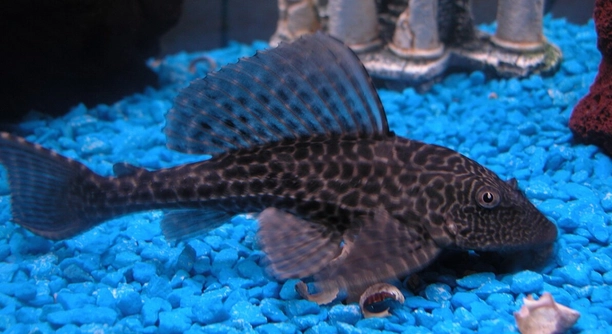
Plecos are popular freshwater fish known for their peaceful nature and unique appearance. As pet owners, it’s important to ensure their environment is safe and comfortable. One concern that often comes up is the effect of sharp gravel on their delicate bodies.
Sharp gravel can indeed cause harm to plecos. Their sensitive skin and fins can easily get scraped or injured if they come into contact with rough surfaces. In the wild, plecos usually dwell on smoother substrates, avoiding potential harm.
The type of gravel in your tank matters. Learning more about how sharp surfaces affect plecos will help keep your fish safe and happy.
Why Sharp Gravel Can Be Dangerous for Plecos
Plecos, with their soft bodies and delicate fins, are more sensitive than many other fish when it comes to tank conditions. Sharp gravel can cause abrasions or cuts, leading to infections or further injury. These fish spend a lot of time at the bottom of the tank, constantly in contact with the substrate. When the gravel is rough, it increases the risk of physical harm. Their skin isn’t built to handle harsh textures, which is why choosing the right substrate is crucial. If plecos are injured, it can affect their overall health, making it harder for them to thrive.
Even though plecos are hardy fish, they can easily suffer from physical trauma caused by sharp objects in their environment. Proper care and understanding of their needs can prevent accidents like these.
Providing your pleco with smooth, rounded gravel or sand is a safer option. This helps maintain their health by reducing the chances of cuts or scrapes, ensuring they can enjoy their home without worries.
What Happens If a Pleco Gets Injured?
Injuries from sharp gravel can lead to various issues. Plecos may develop open wounds that can become infected if not treated. Their immune system is already under stress due to the injury, which makes it harder to fight off bacteria and other pathogens. If left untreated, these injuries can worsen and even lead to death.
A common problem seen with injured plecos is loss of appetite. When in pain, they may stop eating or become lethargic. This can further weaken them, making it harder for their bodies to heal. Fish are also more vulnerable to diseases when injured. Infected wounds or cuts can spread, affecting the overall health of the tank. It’s important to quickly spot and address any issues, as the longer the injury remains untreated, the higher the chances of complications.
To prevent such problems, it’s essential to regularly check your pleco for signs of injury. If you spot any scrapes or wounds, consider changing the gravel to a smoother substrate and take immediate steps to treat the injury with proper care.
How to Prevent Injury from Sharp Gravel
To avoid injuries, it’s important to choose the right type of substrate for your tank. Gravel with sharp edges can easily harm plecos, so selecting smooth gravel or sand is a much safer choice. Regularly check the tank for any rough spots and keep an eye on your fish for signs of discomfort.
Sand is one of the best options for plecos. It’s gentle on their skin and allows them to sift through it naturally, mimicking their natural environment. When using sand, ensure it’s not too fine, as this can lead to clogging. A fine, smooth substrate provides plecos with a comfortable space to move around without the risk of injury. It’s also easy to clean, making tank maintenance less of a hassle. If you already have sharp gravel, consider replacing it with sand or smooth pebbles.
Another option is to use river rocks or rounded pebbles. These are also safe for plecos and provide a natural-looking environment. Make sure the stones are smooth and free of sharp edges. It’s always best to test the stones by running your hand over them before adding them to the tank. By ensuring the tank’s substrate is smooth and safe, you’ll reduce the risk of injury and keep your plecos healthy.
When to Seek Medical Help for Your Pleco
If you notice any signs of injury on your pleco, act quickly to prevent further damage. Common signs include visible cuts, scrapes, or swelling. If these injuries are left untreated, they can lead to infections that may spread throughout the body. This can result in severe health issues for your pleco.
You can treat minor injuries at home by using aquarium salt or specialized fish wound care products. However, if the injury seems deep, or if the pleco is not responding to at-home treatment, it’s time to seek help from a vet. A professional can provide more advanced care, such as administering antibiotics to prevent infection. It’s always better to be safe than sorry when it comes to the health of your fish.
In the case of a serious injury, it’s also important to maintain clean water conditions to help promote healing. Keeping the water at the right temperature and pH level will support your pleco’s recovery. Make sure the tank is free from any sources of stress that could make the injury worse, like aggressive tankmates. Regular water changes and a stable environment will go a long way in ensuring your pleco recovers quickly.
Alternatives to Sharp Gravel
If you want to avoid the risks of sharp gravel, consider using smoother alternatives like aquarium-safe sand. Sand mimics the natural environment of plecos and is much gentler on their bodies. Additionally, it’s easier to clean, which makes maintenance more manageable.
Pebbles with rounded edges also work well. They don’t cause harm and provide a natural look to the tank. Avoid anything too large, as it may make it difficult for your pleco to navigate. A combination of smooth gravel and some larger stones can also provide variety and hideouts for your fish.
How Gravel Affects Plecos’ Behavior
Plecos spend a significant amount of time on the bottom of the tank, searching for food and hiding. Sharp gravel can make this behavior difficult and uncomfortable. When the substrate is rough, plecos may avoid certain areas or avoid feeding. Their natural instincts may also push them to be less active, reducing their overall well-being.
By using smoother gravel or sand, you allow your pleco to act as they would in the wild, comfortably exploring the bottom and searching for food. This type of environment also helps in reducing stress, which can affect their health and behavior.
Water Quality and Healing Injuries
When your pleco is injured, water quality becomes even more crucial. Injuries can easily lead to infections, and poor water conditions can make healing difficult. To support recovery, ensure the water is clean and has the proper pH and temperature.
Regular water changes, along with a good filtration system, help maintain optimal conditions. Clean water will encourage faster healing and reduce stress on the injured fish. Always monitor your pleco closely during recovery to ensure the environment remains healthy and conducive to healing.
FAQ
Can plecos survive in tanks with sharp gravel?
While plecos can survive in tanks with sharp gravel, it’s not ideal. Their soft skin and delicate fins are prone to injury when in contact with rough surfaces. Sharp gravel can cause cuts or abrasions, which may lead to infections or even permanent damage. It’s best to replace sharp gravel with smoother options like sand or rounded pebbles to ensure the health and safety of your pleco.
What type of gravel is safe for plecos?
The safest types of gravel for plecos are those with rounded edges or smooth sand. Sharp gravel can injure their sensitive bodies, so smooth substrates are much gentler. Sand is especially good because it mimics the natural environment of plecos and gives them a chance to sift through it as they would in the wild. Just make sure the sand isn’t too fine, as it can clog the filtration system.
How do I know if my pleco is injured?
You can tell if your pleco is injured by observing its behavior and physical appearance. Look for visible signs like cuts, scrapes, or swelling. A pleco that is injured might act lethargic, avoid eating, or hide more than usual. If the injury is deep or serious, you might notice changes in its skin color or even torn fins. Early detection is key to ensuring proper treatment and recovery.
Can plecos heal from injuries caused by sharp gravel?
Yes, plecos can heal from minor injuries caused by sharp gravel, but the recovery process depends on the severity of the injury. For small cuts or scrapes, it’s important to provide a clean, stress-free environment with good water quality. If the injury seems deeper or if the pleco develops an infection, it’s best to seek help from a vet. Proper care can help your pleco recover, but untreated injuries may lead to further health issues.
Is it safe to use river rocks or pebbles in my pleco’s tank?
River rocks or rounded pebbles can be a safe alternative to sharp gravel for plecos. The key is to ensure that the rocks are smooth and free of sharp edges. Rough rocks can cause injury, but smooth, rounded pebbles offer a more natural environment without the risk of harm. It’s also important to ensure the stones are clean and free from any harmful chemicals before placing them in the tank.
What should I do if my pleco gets a serious injury?
If your pleco sustains a serious injury, the first step is to remove any sharp objects from the tank that may cause further harm. Isolate the injured fish in a quarantine tank if necessary. Maintain good water quality with regular water changes and proper filtration to prevent infection. If the injury is deep, it’s crucial to consult a vet. Depending on the severity, a vet may prescribe antibiotics or other treatments to help your pleco heal properly.
How can I prevent my pleco from getting injured in the future?
To prevent injuries, make sure the substrate in your tank is safe for plecos. Avoid sharp gravel and opt for smooth sand or rounded pebbles. Additionally, regularly inspect the tank to ensure no sharp objects are present. Keep an eye on your pleco for signs of stress or injury. Creating a comfortable, safe environment with plenty of hiding spaces will reduce the likelihood of injury, as plecos prefer to stay hidden at times.
Can plecos get infected from sharp gravel injuries?
Yes, plecos can develop infections from injuries caused by sharp gravel. When their skin is cut or scratched, harmful bacteria can enter the wound and cause infections. This is why it’s essential to treat any injuries promptly by maintaining clean water and, if necessary, using treatments like aquarium salt or antibacterial medications. Keeping the water quality high will support your pleco’s immune system, helping to prevent infections from spreading.
How often should I change the substrate in my pleco tank?
It’s recommended to change the substrate in your pleco tank only when necessary. If you notice that the gravel has become too sharp or if it’s causing visible injuries to your pleco, it’s time to replace it with a safer option. Regular maintenance, such as vacuuming the substrate to remove waste and debris, can help prolong its life. However, a complete substrate change is needed every few years, depending on the type and condition of the material used.
Are plecos more likely to get injured in small tanks?
Yes, plecos may be more likely to get injured in small tanks, as there’s less space for them to move around. In a confined space, they may come into contact with sharp surfaces more frequently. Providing a larger tank with enough hiding places and smooth substrate helps minimize the risk of injury. Larger tanks also allow for better water quality management, which supports the overall health of your pleco.
Final Thoughts
When it comes to caring for plecos, the right tank environment is key to their well-being. While plecos are known for being hardy fish, their soft skin and delicate fins make them more vulnerable to injury from sharp surfaces, especially rough gravel. It’s crucial to choose a smooth substrate that won’t harm them as they explore their tank. Sand and rounded pebbles are much safer alternatives and mimic the natural habitat of plecos more closely than sharp gravel. By providing the right substrate, you not only keep your pleco safe from injury but also create a more comfortable environment for them to thrive in.
In addition to selecting the proper substrate, regular tank maintenance plays an important role in keeping your pleco healthy. Clean water, proper filtration, and regular water changes are necessary to support the healing process if any injuries occur. Water quality can impact your pleco’s ability to recover from cuts or abrasions, so it’s essential to maintain optimal conditions. Be attentive to your fish’s behavior and appearance, as early detection of injuries can prevent more serious health problems later. If you notice signs of injury or stress, taking quick action will help your pleco recover faster.
Lastly, while it’s possible to treat minor injuries at home, always be prepared to seek professional help if the injury is severe or if an infection develops. A vet experienced with fish can provide advanced care and help ensure your pleco heals properly. By focusing on proper tank care, choosing the right substrate, and watching for signs of injury, you can create a safe and healthy environment for your pleco to thrive in. Your fish’s health and happiness ultimately depend on the steps you take to provide them with the best care possible.

Hello,
If you enjoy the content that we create, please consider saying a "Thank You!" by leaving a tip.
Every little bit helps us continue crafting quality advice that supports the health, happiness, and well-being of pets around the world, for pets of all shapes, sizes, and species.
We really appreciate the kindness and support that you show us!