
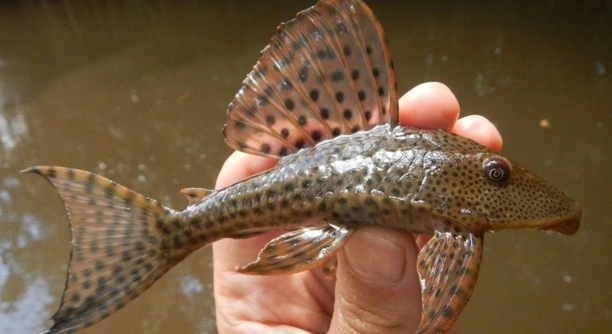
Sometimes, pet owners notice their plecos chewing on plastic plants. This odd behavior can be concerning, especially when you want to ensure your fish’s health and happiness in its tank. Understanding this behavior is important for any aquarium keeper.
The most common reason your pleco chews on plastic plants is due to boredom or the lack of natural food sources. Plecos often nibble on plastic as a way to explore their environment, seeking something to satisfy their instincts.
Knowing what drives your pleco to chew on plants can help you make better decisions for your tank’s setup. Keep reading to learn more about how to prevent this behavior and improve your pleco’s well-being.
Why Do Plecos Chew on Plastic Plants?
Plecos, especially the common ones, are natural scavengers, constantly searching for food and things to nibble on in their surroundings. If your pleco is chewing on plastic plants, it could be a sign that they’re looking for food or something to occupy their time. In the wild, these fish graze on algae, plant matter, and small invertebrates, but in a tank, their natural instincts can sometimes lead them to nibble on whatever is available. Plastic plants, unfortunately, don’t provide any nutritional value, but they may be a target due to their texture or because the pleco is exploring. Inadequate food options or environmental boredom can make your pleco more likely to chew on these artificial decorations.
Providing more natural food sources or distractions could reduce the likelihood of this behavior. This is especially true for plecos that are not getting enough algae to graze on.
An important way to solve this issue is by offering plenty of algae-based foods like algae wafers. A pleco’s diet should include vegetables like zucchini, spinach, or cucumbers. Additionally, adding real plants or driftwood can give your pleco more to explore and nibble on, keeping it engaged. Keep in mind that not all plastic plants are safe for your fish, as some can have sharp edges that might harm them.
How to Stop Your Pleco from Chewing on Plastic Plants
The best way to discourage your pleco from chewing on plastic plants is to adjust its environment. Start by adding real plants that your pleco can munch on safely.
Make sure your pleco is being fed properly. Algae wafers, blanched vegetables, and other plant matter will satisfy their need to graze. This will reduce the chances of them nibbling on your decorations out of hunger or boredom. Regular tank cleaning and water changes also ensure a healthier environment, encouraging your pleco to explore in more natural ways. Keeping the aquarium’s decor simple and functional, with safe items like driftwood, can also help.
Can Plastic Plants Harm Your Pleco?
Plastic plants can cause harm to your pleco, especially if they have sharp edges. A pleco’s soft skin can be easily scratched by these edges, leading to potential injury. Additionally, plastic plants can trap uneaten food or waste, causing water quality to deteriorate. Poor water quality can stress your pleco and lead to health problems.
It’s essential to check the plastic plants regularly to ensure there are no rough areas that could hurt your fish. Smooth, soft decorations are the safest choice for your pleco’s tank. If the plastic plants are damaged, replacing them is crucial to avoid any harm to your fish.
When choosing decorations for your pleco, consider materials like silk plants or natural items such as driftwood and rocks. These provide a safer environment for your fish to explore. Furthermore, using real plants can help maintain better water conditions by absorbing excess nutrients that contribute to algae growth.
The Role of Algae in Your Pleco’s Diet
Plecos are algae eaters, and algae is a significant part of their natural diet. In a well-maintained tank, they’ll graze on algae growing on tank walls, rocks, and decorations. If your tank has little algae, your pleco may seek other objects to chew on, including plastic plants.
To make sure your pleco gets the nutrients it needs, supplement its diet with algae wafers or blanched vegetables. Algae wafers are easy to find and provide a steady food source. Vegetables like zucchini or spinach are excellent for plecos, as they mimic their natural diet.
Adding live plants to your aquarium can also support the growth of algae, which will keep your pleco entertained and nourished. By doing so, your pleco will be less likely to chew on plastic plants. Plus, it’ll help maintain a healthier and more balanced tank environment.
Why Your Pleco Might Be Bored
A bored pleco is more likely to chew on plastic plants. If there’s nothing else to explore or nibble on in the tank, your pleco might turn to these decorations for stimulation. A lack of variety in the tank environment could lead to unwanted behaviors.
To prevent boredom, add more items for your pleco to explore, like driftwood or rocks. These will mimic the natural environment and provide your pleco with more things to interact with. A well-decorated tank can make your pleco feel more at home and engaged.
The Importance of Tank Size for Plecos
Tank size matters when it comes to the health and happiness of your pleco. A small tank can make your pleco feel cramped, leading to stress and boredom. This may cause the fish to start chewing on things, including plastic plants, in search of relief or entertainment.
Plecos are active fish that require plenty of space to swim and explore. The more room they have, the less likely they are to engage in destructive behavior like nibbling on artificial plants. Make sure your pleco has enough room to move freely, helping it stay healthy and calm.
What Else to Consider for Your Pleco’s Tank
Consider water quality, temperature, and filtration as well. Poor water conditions can contribute to stress and poor behavior in plecos. Regular water changes and keeping the tank clean is essential to keeping your pleco happy and healthy.
FAQ
Why is my pleco eating plastic plants?
Your pleco may chew on plastic plants due to boredom or a lack of food. Plecos are natural foragers and prefer to graze on algae and plant matter. If they don’t have enough natural food sources like algae, they may start nibbling on plastic plants out of curiosity or hunger. It’s important to ensure they are being fed properly and their environment is enriched with suitable foods, like algae wafers or vegetables. Adding live plants or driftwood can also provide more natural materials for your pleco to interact with.
Can plastic plants harm my pleco?
Yes, plastic plants can potentially harm your pleco if they have sharp edges. These edges can scrape or injure your pleco’s sensitive skin. Additionally, plastic plants can trap uneaten food or debris, which can cause the water quality to deteriorate and stress your fish. It’s important to regularly inspect plastic plants for any damage or sharp areas that could pose a risk. Consider using silk plants or real plants to provide a safer environment for your pleco.
How can I stop my pleco from chewing on plastic plants?
To stop your pleco from chewing on plastic plants, provide more suitable food sources. Algae wafers, blanched vegetables like zucchini and spinach, or live plants will give your pleco the nutrients and stimulation it needs. Additionally, adding natural decorations like driftwood or rocks will create a more engaging environment, reducing the likelihood of your pleco turning to plastic plants. Ensure your pleco has enough space to explore and hide, as overcrowded tanks can lead to boredom.
What are the best foods for my pleco?
Plecos thrive on a diet that includes algae-based foods, such as algae wafers, and fresh vegetables. Foods like zucchini, spinach, and cucumber are great options for supplementing their diet. Plecos are also known to graze on biofilm and algae in the tank, so ensuring your tank has some algae growth is beneficial. If your tank doesn’t have enough natural algae, algae wafers can help meet your pleco’s nutritional needs. Adding a variety of foods will keep your pleco healthy and satisfied.
How much space does my pleco need in the tank?
Plecos are active swimmers that require plenty of space. A minimum of 50 gallons is recommended for a single adult pleco, with larger species requiring even more space. A cramped tank can cause stress and lead to abnormal behavior, such as chewing on plastic plants. Ensure your pleco has enough room to swim freely, which will help keep it happy and healthy. Overcrowding a tank can also affect water quality, which can stress your pleco further.
Do plecos need live plants in their tank?
While plecos don’t absolutely need live plants, adding them can improve their environment and provide additional grazing opportunities. Live plants offer natural food sources, like algae and biofilm, which plecos enjoy. They also help improve water quality by absorbing excess nutrients and reducing algae growth on tank surfaces. Adding plants like anubias or java fern can be a great way to enhance your pleco’s habitat and reduce the chance of it chewing on plastic plants.
Can plecos eat algae wafers every day?
Yes, algae wafers are an excellent food source for plecos and can be fed daily. However, they should be supplemented with fresh vegetables like zucchini, cucumber, or spinach to provide variety. It’s important to monitor how much food your pleco is eating to avoid overfeeding, as excess food can lead to poor water quality. A balanced diet that includes algae wafers and vegetables will ensure your pleco gets the nutrients it needs while keeping it engaged and healthy.
Why does my pleco seem to only nibble on plastic plants?
If your pleco is only nibbling on plastic plants, it could be a sign that it’s not getting enough food or enrichment in its environment. Plecos are opportunistic feeders and may turn to plastic plants when they are bored or hungry. Make sure your pleco has access to plenty of algae and other suitable foods like vegetables. Adding natural decorations, such as driftwood or live plants, can give your pleco more things to explore and nibble on, reducing the urge to chew on plastic.
Is it safe to use plastic plants in a pleco tank?
Plastic plants can be safe if they don’t have sharp edges or are well-maintained. However, they can be a risk if they’re damaged or have rough surfaces that could harm your pleco. Plastic plants can also trap food waste, which can affect water quality. If you prefer plastic plants for their low maintenance, make sure they are free of sharp edges and check them regularly for signs of wear. Silk plants or real plants are safer alternatives.
What other items can I put in my pleco’s tank?
Plecos enjoy a variety of decorations and objects in their tank to explore and graze on. Adding driftwood, rocks, and caves will help your pleco feel more at home and reduce boredom. Driftwood, in particular, is an excellent option, as it provides a surface for algae to grow on, giving your pleco a natural food source. You can also add live plants, such as java fern or anubias, which plecos can nibble on and use for hiding. Creating a natural, varied environment will keep your pleco happy and healthy.
How often should I clean my pleco’s tank?
Cleaning your pleco’s tank is essential to maintaining water quality and the overall health of your fish. It’s important to perform partial water changes (about 20-30%) every 1-2 weeks. You should also vacuum the substrate to remove any trapped waste. Clean the filter regularly to ensure efficient filtration and check for any debris or uneaten food in the tank. A clean tank reduces stress for your pleco and helps prevent algae overgrowth, which can cause poor water conditions. Regular maintenance will ensure a healthy, thriving aquarium.
Final Thoughts
In summary, it’s important to understand why your pleco might chew on plastic plants. This behavior is often a sign of boredom or a lack of proper food sources. Plecos are natural foragers and prefer to nibble on algae and plants in their environment. If they can’t find these foods in their tank, they may turn to plastic plants for stimulation. It’s essential to keep your pleco well-fed with a variety of algae-based foods and fresh vegetables to prevent them from chewing on decorations. Offering more natural food sources, like driftwood or live plants, will help create a more natural and enriching environment for your pleco.
Another factor to consider is the safety of plastic plants in the tank. While they can be low-maintenance and provide visual appeal, plastic plants with sharp edges can potentially harm your pleco. The soft skin of a pleco is susceptible to injury if it comes into contact with rough surfaces. Additionally, plastic plants can trap food debris, which leads to poor water quality and can stress out your fish. Regularly inspecting plastic plants for damage and switching to silk or real plants can be a safer alternative. This ensures that your pleco is not at risk of injury, and your tank’s water conditions stay healthy.
Lastly, providing enough space, proper tank decorations, and a good environment is crucial to your pleco’s well-being. Plecos are active fish and need ample space to swim and explore. A cramped tank can lead to stress, causing abnormal behavior like chewing on plastic plants. Along with plenty of swimming space, your pleco will benefit from tank accessories like driftwood, rocks, and live plants. These items not only improve the aesthetics of your tank but also provide your pleco with opportunities for grazing and exploration. Maintaining a healthy tank with the right food, space, and decorations is key to keeping your pleco happy and preventing unwanted behavior.

Hello,
If you enjoy the content that we create, please consider saying a "Thank You!" by leaving a tip.
Every little bit helps us continue crafting quality advice that supports the health, happiness, and well-being of pets around the world, for pets of all shapes, sizes, and species.
We really appreciate the kindness and support that you show us!