
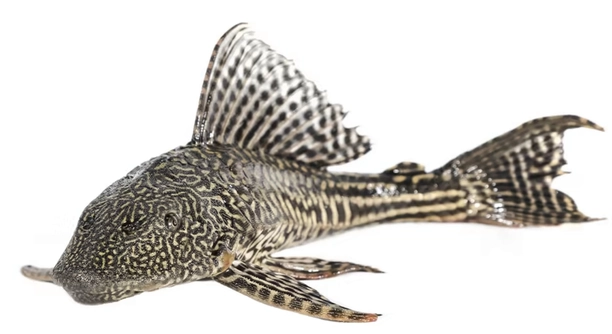
Is your pleco acting a bit off lately, staying in one spot or ignoring its food more than usual?
The most common signs of digestive trouble in plecos include bloating, reduced appetite, unusual poop, and less activity. These symptoms often signal problems with diet, tank conditions, or internal parasites.
Spotting these signs early can help prevent more serious issues and improve your pleco’s overall well-being in the tank.
Sign 1: Your Pleco Has a Bloated Belly
Bloating is one of the first signs that something isn’t right with your pleco’s digestion. When their bellies swell or appear puffed up, it often means they’ve eaten too much or something that doesn’t agree with them. Poor-quality foods, feeding too often, or giving too many protein-heavy treats can all cause this. Plecos are mainly herbivores, and their systems can get upset with an overload of meaty foods. Bloating can also point to internal issues like parasites or constipation. It’s important to observe the belly closely—if it’s round, firm, and your pleco is acting differently, something is off.
This can happen even if everything else in the tank seems fine. Keeping track of feeding habits helps a lot.
Try feeding lighter, more plant-based foods like blanched zucchini or peas. These can help get things moving again. If the bloating doesn’t go down in a day or two, a vet may be needed.
Sign 2: Your Pleco Has Stopped Eating
A sudden loss of appetite is never a good sign. When your pleco refuses food, it’s often a result of stress, illness, or digestive discomfort.
Feeding issues often begin when something disrupts their usual routine. Poor water quality is a major trigger—ammonia spikes, low oxygen, or a sudden temperature change can all lead to stress that affects digestion. Also, if your pleco has been fed the same food too often or foods high in protein, they might avoid eating. Their system works best with algae-based meals and fiber-rich veggies. Watch to see if your pleco goes near the food but doesn’t eat. That shows interest is still there, but something’s making them hesitate. If they seem sluggish or are hiding more than usual, it adds to the concern. Try offering a variety of foods and check water parameters carefully. A few small changes can make a noticeable difference.
Sign 3: Your Pleco Is Producing Odd-Looking Waste
If your pleco’s waste is white, stringy, or floating unnaturally, it’s a strong sign of digestive trouble. Healthy waste should be solid and dark, showing that food is being properly digested and passed through the system.
White or clear waste usually means your pleco isn’t absorbing nutrients well or hasn’t been eating much at all. Stringy or floating feces might also point to internal parasites or poor diet. A lack of fiber can lead to waste that doesn’t form correctly. Switching to high-fiber, plant-based foods and removing any uneaten food can help clean up the issue. Always keep a close eye on how often your pleco poops, and what it looks like. That alone can tell you a lot about how their digestive system is functioning.
If strange waste continues for more than a few days, it’s best to rule out infection. A quick vet visit or a parasite treatment might be needed.
Sign 4: Your Pleco Is Less Active Than Usual
When a normally active pleco starts staying still, that’s often tied to digestive discomfort. They may lie at the bottom for long periods or avoid their favorite hiding spots. This low energy could be the result of bloating or internal imbalance.
A sluggish pleco usually means something is bothering them on the inside. Digestion takes effort, and when it isn’t going smoothly, they tend to stay put to conserve energy. High-protein diets can slow things down, especially if your pleco isn’t getting enough fiber to push food through. Another reason could be poor water quality, which worsens stress and impacts digestion. Use a test kit to check the basics—ammonia, nitrites, and pH. Also, try feeding smaller portions more frequently to ease strain on their system. A pleco that starts moving around more after a few changes is often on the mend. Consistent tank conditions and a balanced diet are key.
Sign 5: Your Pleco Is Floating or Struggling to Stay Down
When your pleco floats oddly or can’t stay settled at the bottom, it could mean trapped gas or digestive imbalance. This often happens after eating too fast or consuming the wrong types of food.
Foods that produce excess gas, like peas with skins or processed pellets, may cause buoyancy issues.
Sign 6: Your Pleco Keeps Rubbing Its Belly on Objects
Rubbing or scraping the belly along rocks or glass could point to discomfort from the inside. It’s often caused by bloating, constipation, or parasites irritating the digestive tract. Watch closely if this behavior happens frequently or with other signs like loss of appetite.
Sign 7: Your Pleco Is Hiding More Than Normal
Too much hiding can be a stress response linked to digestive trouble. If your pleco avoids light or skips usual feeding times, something may be off inside. Keep track of changes in behavior along with feeding patterns.
FAQ
How often should I feed my pleco to avoid digestion problems?
Most plecos do best with one feeding per day. Some people like to feed smaller amounts twice a day, which is also fine. The key is not to overfeed. If food is left uneaten, it’s a sign you’re giving too much. Stick with soft veggies like zucchini, cucumber, or leafy greens, and occasionally offer algae wafers. For larger plecos or meat-eating species, add some protein once or twice a week. Keep portions small so they can finish it within a few hours, especially at night when plecos are most active.
Can certain foods cause bloating in plecos?
Yes, some foods are more likely to cause bloating than others. Foods that are too high in protein, like bloodworms or shrimp, can be hard for plecos to digest, especially if they’re mostly herbivorous. Foods with air inside, like dry pellets that haven’t been soaked, may also lead to bloating. Vegetables like peas can help with digestion, but always remove the skin. Offering a diet rich in fiber and low in animal protein keeps things running smoothly. It’s also helpful to avoid processed fish foods that list fillers or artificial colors high on the label.
What should pleco poop look like when they’re healthy?
Healthy pleco waste is usually dark, solid, and rope-like. It often sinks and holds together well. This means their digestive system is working and the food is being processed correctly. If the poop is white, clear, stringy, or floating, that can be a problem. It usually shows they haven’t been eating enough or something isn’t being digested right. Sudden changes in color or texture that last more than a day or two should be watched closely. Adjusting their food and checking water conditions is a good first step if you notice any of these changes.
How can I tell if my pleco has a parasite?
Signs of internal parasites include white stringy poop, weight loss even when eating, rubbing against surfaces, or hiding more than usual. Sometimes, their belly may look sunken instead of bloated. If you’ve ruled out water problems and diet, and these symptoms continue, it could be a parasite. Many pet stores sell treatments you can add to the water or food, but check the ingredients and make sure it’s safe for your other fish. Some cases might need a vet or stronger medication, especially if the pleco is losing energy or refusing to eat altogether.
Is it normal for my pleco to skip a meal?
It’s not uncommon for plecos to skip a meal now and then, especially if they’ve had a large feeding the night before or are feeling stressed. However, if your pleco refuses food for more than two days and also shows signs like bloating, odd waste, or inactivity, it’s worth taking a closer look. Check the tank temperature, ammonia levels, and overall water quality first. If those are fine, try switching up the food or offering something lighter, like a thin slice of cucumber. If the lack of appetite continues, internal issues may be the cause.
Can poor water conditions affect digestion in plecos?
Absolutely. Water quality plays a big role in a pleco’s ability to digest food properly. High ammonia, nitrites, or sudden pH changes can cause stress that weakens their system. This may lead to slow digestion, bloating, or a weakened immune response. Keep the tank clean with regular water changes, and always test water parameters if your pleco starts acting differently. Even small changes in temperature or oxygen levels can impact their gut health. Stable, clean water helps everything—including digestion—work better.
Final Thoughts
Taking care of your pleco’s digestion is an important part of keeping them healthy and comfortable. These fish are often seen as low-maintenance, but their needs go deeper than just feeding algae wafers and cleaning the tank now and then. Paying attention to how your pleco eats, moves, and passes waste can help you spot problems early. Signs like bloating, loss of appetite, unusual poop, and low activity often point to digestive trouble. While these issues can seem small at first, they may lead to more serious problems if ignored. That’s why it’s always helpful to watch their habits closely.
Keeping your pleco’s diet balanced makes a big difference. Most plecos do best with plant-based foods that are rich in fiber. Vegetables like zucchini, cucumber, and leafy greens help keep their system working properly. Protein can be added, but only in small amounts and not every day. Floating or dry pellets should be soaked before feeding to prevent trapped air, which can cause bloating or floating issues. It’s also good practice to remove any uneaten food from the tank to prevent water from getting dirty. Clean water and steady conditions give your pleco a better chance to stay healthy and digest food the right way.
If your pleco shows any signs of digestive problems, small changes in diet or tank care can often help. Try offering softer, lighter foods, or cutting back on protein. Test the water regularly and make sure everything is in the right range. Watch for improvement over a few days, and don’t be afraid to ask a vet or fish expert if things don’t get better. Plecos are peaceful, steady fish that don’t show distress easily, so when something seems off, it usually means action is needed. A bit of extra attention and care can go a long way toward keeping them healthy. The more you learn about your pleco’s needs, the easier it becomes to spot issues and keep their digestive system in good shape.

Hello,
If you enjoy the content that we create, please consider saying a "Thank You!" by leaving a tip.
Every little bit helps us continue crafting quality advice that supports the health, happiness, and well-being of pets around the world, for pets of all shapes, sizes, and species.
We really appreciate the kindness and support that you show us!