
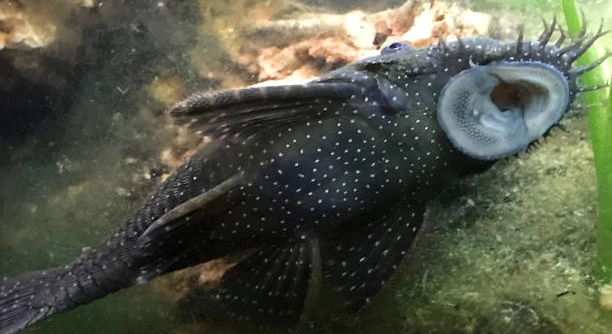
Do your plecos appear healthy, but you’re unsure how to ensure their immune system is strong?
A strong immune system in plecos is essential for their overall health and longevity. Indicators such as clear skin, active behavior, and proper feeding habits can signal that your pleco’s immune system is functioning well.
Recognizing these indicators will help you provide the best care for your pleco. By understanding the signs, you can maintain their well-being and ensure they thrive in your aquarium.
Clear, Shiny Skin and Fins
One of the most obvious signs of a healthy pleco is its clear, shiny skin and fins. A well-maintained pleco will have smooth, unbroken skin free from any lesions, ulcers, or discoloration. Healthy skin is a strong indicator of good immune health, as it shows that the fish’s body is able to ward off external threats like bacteria and parasites. If your pleco’s skin looks dull, discolored, or covered in white spots, it could signal that something’s wrong. Proper water quality and diet play a huge role in ensuring the pleco’s skin stays in top condition.
A pleco with clear, shiny skin is less likely to develop infections or diseases. A clean tank with regular water changes helps prevent any harmful bacteria from taking hold.
By maintaining a stable environment, the pleco’s natural defense system becomes more effective. Over time, a healthy pleco will show off its vibrant skin and fins, giving you peace of mind that its immune system is functioning well.
Active Swimming and Behavior
Plecos are naturally active and will often explore their surroundings.
A healthy pleco typically swims around the aquarium, grazing on algae or hiding in safe spots when feeling stressed. If your pleco suddenly becomes lethargic, spends most of its time hiding, or appears sluggish, it may be a sign of an immune system issue. It could also be related to stress caused by poor water conditions or inadequate diet. Active swimming is an important sign that your pleco is healthy and its immune system is not under stress.
A pleco’s activity level can tell you a lot about its overall health. If it remains inactive for extended periods, it’s time to investigate the tank’s water quality, food, and environment. Stress or illness can suppress its immune system, making it more susceptible to diseases. Ensuring your pleco has a proper diet, clean water, and space to move around will keep its immune system strong. If these factors are neglected, it may lead to immune system issues, making your pleco more vulnerable to infections.
Healthy Eating Habits
Plecos are opportunistic feeders, often grazing on algae and plant matter.
A pleco that consistently eats well is a sign of a strong immune system. They should show interest in food and actively eat a variety of suitable options, including vegetables, algae wafers, and other supplements. If your pleco stops eating or becomes overly selective with its food, it could indicate stress, illness, or immune system weakness. Proper nutrition is essential for maintaining their immune health. A balanced diet supports their growth, helps with tissue repair, and ensures their defenses against pathogens.
If your pleco is not eating regularly, it could be a sign of water quality issues or the need for a dietary adjustment. Regularly offering different types of food ensures your pleco receives all the nutrients it needs. Keep track of what your pleco prefers to ensure its diet remains varied. By doing this, you encourage a healthy immune response. Over time, you will notice that a well-fed pleco is more active and vibrant, further reinforcing the link between nutrition and immune health.
Consistent Breathing and Gills
Plecos, like all fish, rely on their gills for breathing.
Healthy plecos show consistent, calm gill movement when breathing. Rapid or labored breathing is a major indicator of stress or health problems. If your pleco is breathing heavily or if its gills appear swollen, this could be a sign that the immune system is compromised. Poor water quality, infections, or parasites may cause respiratory distress. Keeping the water clean and maintaining a stable environment can help prevent respiratory issues in plecos.
A pleco’s gill movement should be smooth and steady. If you notice erratic or rapid breathing, it could be a sign of a possible infection or poor water conditions. Check for ammonia, nitrites, and nitrates in the water, as these can stress your pleco’s respiratory system and weaken its immune defenses. Regular water changes and proper filtration are key to keeping the gills functioning properly. Without good water quality, your pleco may struggle to breathe properly, weakening its immune system and making it more prone to illnesses.
Bright Eyes and Clear Vision
Plecos should have clear, bright eyes.
A healthy pleco will have eyes that are not cloudy or sunken. If their eyes appear dull or have a cloudy film, it could be a sign of illness or infection. Maintaining proper water quality helps keep the pleco’s eyes clear.
A pleco’s eyes are often an early indicator of health. If they appear swollen, cloudy, or discolored, there could be an underlying infection or environmental issue. This could also be a sign of poor water quality or stress from tank conditions. To help prevent eye problems, keep the tank clean and perform regular water changes. Eyes that are clear and bright are an important sign that the pleco’s immune system is functioning properly.
Proper Tank Conditions
Your pleco’s immune health is directly affected by its living environment.
Stable tank conditions are crucial for a pleco’s immune system. Keeping the water temperature consistent and monitoring pH, ammonia, and nitrate levels will support your pleco’s well-being. Healthy water promotes a healthy immune system.
A fluctuating environment can stress your pleco’s body and weaken its defenses. Stress from poor water quality, sudden temperature changes, or overcrowding may lead to illness. Regular tank maintenance and careful monitoring of conditions can prevent these issues. Ensuring your pleco has a stable, comfortable environment will go a long way in supporting its immune system and overall health.
FAQ
How do I know if my pleco’s immune system is weak?
A weak immune system in a pleco can manifest in several ways. If your pleco is lethargic, stops eating, or exhibits unusual behavior like scraping against surfaces, it could indicate that its immune system isn’t functioning properly. Additionally, any signs of skin lesions, cloudy eyes, or rapid gill movement should be taken seriously, as these are often associated with health issues. Poor water conditions, such as high levels of ammonia or low oxygen, can also contribute to a weakened immune system. Regularly checking the water parameters and observing your pleco’s behavior can help you catch these early warning signs.
What water conditions are best for plecos?
Plecos thrive in stable water conditions. The temperature should range between 72°F and 82°F (22°C to 28°C), and the pH should be between 6.5 and 7.5. Ammonia and nitrite levels must be kept at zero, and nitrate levels should be below 40 ppm. If the water conditions fluctuate too much or exceed these levels, it can stress your pleco and make it more susceptible to infections and other health problems. Using a reliable filtration system and performing regular water changes will help maintain these conditions.
What should I feed my pleco to boost its immune system?
A varied diet is key to supporting your pleco’s immune system. Offering algae wafers, fresh vegetables like zucchini, cucumber, or spinach, and occasional protein-rich foods like bloodworms or shrimp can help ensure it gets all the nutrients it needs. Plecos are herbivores, so it’s important to make sure their diet consists mainly of plant-based foods. Adding supplements like vitamin C or other immune-boosting nutrients can also be helpful. A balanced diet helps support not only the immune system but also overall health and vitality.
How often should I clean the tank to ensure good immune health for my pleco?
Maintaining clean water is essential for your pleco’s health. Regular water changes, about 25% to 30% every week, help to remove toxins and keep the water parameters stable. It’s also important to clean the tank decorations, substrate, and filter regularly. However, avoid over-cleaning, as this can disrupt beneficial bacteria that help break down waste in the tank. Keeping the tank clean not only helps prevent infections but also ensures your pleco isn’t exposed to harmful chemicals or bacteria that could weaken its immune system.
What are the common diseases that affect plecos?
Plecos are susceptible to several diseases, particularly if their immune system is compromised. Common ones include ich (white spot disease), skin and fin rot, velvet disease, and various bacterial infections. These diseases often stem from poor water quality, stress, or overcrowding. Symptoms may include unusual swimming patterns, lesions, white spots, or rapid gill movement. Keeping a close eye on your pleco for any changes in behavior or appearance, and maintaining proper water conditions, can help prevent these illnesses. Treatment often involves isolating the sick pleco and using medication, but prevention through care and cleanliness is always the best approach.
How do I prevent my pleco from becoming stressed?
Stress is a major factor that weakens your pleco’s immune system. To prevent stress, ensure your pleco has enough space to swim comfortably and hide if needed. Avoid overcrowding the tank, as too many fish can lead to high competition for food and oxygen, which stresses plecos. Also, maintain a stable tank environment, including proper water parameters and temperature. Minimizing sudden changes in the tank, like moving decorations or adding new fish too quickly, will also help keep stress levels down. Stress-free plecos are more likely to stay healthy and have stronger immune systems.
Can water temperature affect my pleco’s immune system?
Yes, water temperature plays a significant role in your pleco’s immune health. Plecos are tropical fish and require warm water to stay active and healthy. If the water is too cold, their immune system becomes less effective, making them more susceptible to diseases. On the other hand, water that is too hot can cause stress, leading to an increased risk of illness. Keeping the water within the ideal temperature range of 72°F to 82°F (22°C to 28°C) will help ensure your pleco stays strong and its immune system remains efficient.
How can I tell if my pleco is recovering from an illness?
When a pleco is recovering from an illness, you will typically notice improvements in its behavior and appearance. It will start swimming more actively, eating regularly, and showing signs of vibrant skin and clear eyes. If the pleco was previously lethargic or hiding, it should start interacting more with its environment. Pay attention to any visible signs of healing, such as the regrowth of fins or the clearing of lesions. However, if your pleco’s condition doesn’t improve after treatment, it may be a sign of ongoing health issues, and further intervention may be necessary.
Are plecos sensitive to changes in their environment?
Yes, plecos are quite sensitive to changes in their environment. Sudden shifts in water temperature, pH, or water quality can stress them out and weaken their immune systems. Additionally, adding new fish too quickly or making changes to tank decorations can disturb the pleco, leading to stress. It’s important to maintain a stable, predictable environment and introduce changes gradually. Regular water testing and observing the pleco’s behavior will help you gauge how it’s responding to any changes. Keeping a calm, stable environment is essential for its health.
Final Thoughts
Maintaining a healthy immune system for your pleco is crucial to ensuring its well-being and longevity. A pleco’s immune health is largely determined by its environment, diet, and care. When a pleco’s immune system is strong, it is better equipped to fight off infections, tolerate stress, and recover from injuries. Monitoring your pleco’s behavior, appearance, and the quality of its living conditions is the best way to catch any potential health issues early. By staying proactive and keeping the tank clean, well-maintained, and stable, you provide the best support for your pleco’s immune system.
Regularly observing your pleco’s skin, eyes, activity levels, and eating habits will help you understand whether it is in good health. Clear signs like shiny skin, bright eyes, and active swimming are positive indicators that your pleco’s immune system is functioning well. If any changes, such as lethargy, unusual behavior, or skin lesions, arise, they may signal the need for immediate action. Regular water changes and a balanced diet with a variety of foods will help keep the pleco’s immune defenses strong. Additionally, keeping stress levels low by avoiding sudden changes in the tank can make a big difference in its overall health.
By understanding the signs of a healthy pleco and taking the necessary steps to maintain its environment, you can ensure that your pleco stays strong and active for years to come. A good diet, clean water, and a stress-free environment all contribute to the health of the fish. Ultimately, it’s about providing a stable, supportive setting where your pleco can thrive. Paying attention to your pleco’s needs and responding quickly when something seems off will help you support its immune system and keep it healthy over time.

Hello,
If you enjoy the content that we create, please consider saying a "Thank You!" by leaving a tip.
Every little bit helps us continue crafting quality advice that supports the health, happiness, and well-being of pets around the world, for pets of all shapes, sizes, and species.
We really appreciate the kindness and support that you show us!