
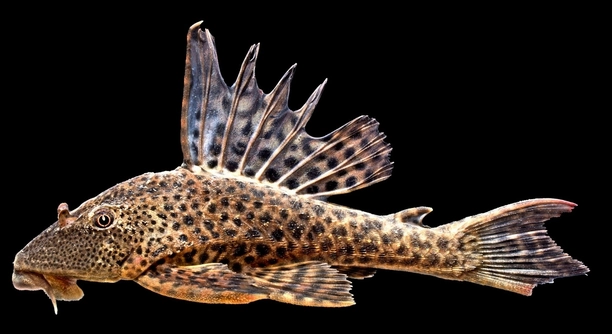
Large plecos are popular aquarium fish, known for their size and unique appearance. However, many aquarium enthusiasts may wonder what size tank is truly suitable for these large fish. Understanding their needs is key to providing them a healthy environment.
The ideal tank size for large plecos is generally 75 gallons or more, with larger species requiring even more space. A larger tank ensures they have enough room to swim and grow to their full size, promoting better health.
Proper tank size is essential for large plecos to thrive. The right environment contributes to their well-being and helps prevent stress-related health issues. This article will explore the important factors that influence their space requirements.
Why Tank Size Matters for Large Plecos
Choosing the right tank size is vital for your large pleco’s health and happiness. These fish are naturally bottom dwellers that can grow quite large, up to 2 feet in length. While they start small, they need a spacious tank to grow into their full size without feeling cramped. A small tank can lead to stunted growth, stress, and poor water quality, all of which can affect the pleco’s overall health. Having enough space also helps maintain good water conditions, as plecos can produce a lot of waste.
Large plecos are active swimmers and require ample space to move around freely. A tank that’s too small will force them to remain in one area, leading to health problems like fin rot or excessive algae buildup. With enough space, they can properly exercise, maintain their natural behaviors, and enjoy a better quality of life.
In addition to space, tank size also impacts water filtration and oxygen levels. Larger tanks can handle the waste plecos produce more efficiently, keeping the water cleaner and safer for all inhabitants. This reduces the risk of water-related diseases and ensures the pleco can live in a more stable environment.
Choosing the Right Tank Size for Large Plecos
The best tank for a large pleco starts at 75 gallons, but the size can increase depending on the species. For plecos like the common or sailfin pleco, a tank of 100 gallons or more is recommended. The larger the pleco, the more space it needs to grow and thrive.
When selecting a tank, make sure the dimensions provide ample surface area, not just height. Plecos enjoy grazing on surfaces like rocks and driftwood, so a wide tank with enough horizontal space is ideal. This also prevents overcrowding, which can lead to aggression or stress. Proper tank size allows your pleco to flourish, swim freely, and maintain good health over time.
The Importance of Tank Shape
The shape of the tank is just as important as its size when it comes to plecos. A longer tank with more surface area is far better for plecos than a tall, narrow one. Plecos like to explore and swim along the bottom and sides of the tank, so providing them with ample horizontal space is crucial.
Tall tanks offer limited horizontal swimming space, which can be frustrating for plecos, as they thrive in larger, spread-out environments. A tank with a good length will allow them to move freely, helping reduce stress and promote healthy behaviors. Having space to explore also ensures that they can access food and resting areas more comfortably.
A longer tank also allows you to include more tank decorations, such as rocks and driftwood, which plecos need for hiding and grazing. With a wider tank, they can move around these structures more easily, keeping them more engaged and active. This setup also benefits the water flow, helping maintain a healthier environment.
Tank Water Quality
Maintaining excellent water quality is key to a pleco’s health. Plecos are sensitive to poor water conditions and can quickly become stressed if the tank water isn’t clean. It’s important to keep the water temperature steady and ensure filtration is up to the task, especially in larger tanks.
A high-quality filter system is essential for large plecos, as they can produce a significant amount of waste. The filter should be able to handle the increased bioload from both the pleco and any other tank inhabitants. Regular water changes, along with proper filtration, will keep harmful toxins like ammonia and nitrites at safe levels.
Paying attention to water parameters like pH, hardness, and temperature also plays a role in keeping plecos healthy. They prefer slightly acidic to neutral water with temperatures between 74–80°F (23–27°C). Keeping track of these factors and maintaining water quality will prevent diseases and ensure your pleco lives a long, healthy life.
Tankmates for Large Plecos
Choosing compatible tankmates is important to avoid stress and aggression. Plecos are generally peaceful but can be territorial, especially as they grow. Avoid keeping them with smaller, more delicate fish that might become targets for harassment.
Tankmates should be large enough to withstand the pleco’s size and not get bullied. Fish like cichlids or large catfish work well. They share similar water requirements and don’t compete for the same bottom space.
It’s also essential to avoid overcrowding, as this can lead to poor water quality and increased stress for all fish. By keeping a balanced tank, your pleco will thrive alongside its companions.
Substrate Choice for Large Plecos
Large plecos prefer a soft, sandy substrate rather than sharp gravel. Sharp edges can damage their sensitive barbels. Sand allows them to root around and search for food, which keeps them active and engaged.
A soft substrate mimics their natural environment and is safer for them. It also helps with waste management, as it prevents debris from being trapped in gravel. This allows you to maintain cleaner water, which is especially important in larger tanks where plecos live.
Pleco Feeding Requirements
Large plecos are mainly herbivores, although some may eat small amounts of protein. They need a varied diet to stay healthy, with foods like algae wafers, blanched vegetables, and occasional protein sources such as shrimp or earthworms. Their large size requires substantial nutrition, so feed them well.
Feeding them a balanced diet also helps prevent common issues like malnutrition and stunted growth. While plecos can find natural algae in a tank, offering a variety of food ensures they get the nutrients they need.
FAQ
What size tank do I need for a large pleco?
A large pleco requires a tank of at least 75 gallons. The size increases depending on the species; for example, common plecos may need 100 gallons or more as they can grow up to 2 feet long. A larger tank helps maintain water quality and provides enough space for swimming and grazing. A spacious tank will also prevent the pleco from feeling stressed and ensure it grows to its full size without stunting.
Can I keep multiple plecos in the same tank?
Yes, you can keep more than one pleco in the same tank, but it requires careful consideration. Plecos are generally peaceful but can become territorial as they mature, especially if they feel crowded. To prevent aggression, make sure the tank is large enough, and ensure each pleco has its own space. Providing plenty of hiding spots, such as driftwood or caves, helps to reduce conflict. Also, ensure you monitor water quality closely since multiple plecos can produce a lot of waste.
What is the best substrate for large plecos?
The best substrate for large plecos is fine, soft sand. Plecos often sift through the substrate in search of food, and a rough substrate like gravel can injure their delicate barbels. Sand mimics their natural environment and is much safer for them. Additionally, it allows waste to break down more easily, reducing the risk of poor water quality. Avoid sharp-edged gravel, as it can cause damage to their sensitive body parts.
What should I feed my large pleco?
Large plecos are primarily herbivores, and their diet should include algae wafers, blanched vegetables (like zucchini, spinach, or cucumber), and occasional protein sources, such as shrimp or earthworms. Plecos are also known to graze on natural algae in the tank, so providing them with algae-covered rocks or driftwood is a great way to supplement their diet. Be sure to feed a balanced variety to promote their growth and health, and avoid feeding them exclusively protein as it can lead to obesity or digestive issues.
Do plecos need to be in schools?
No, plecos do not need to be kept in schools. They are solitary creatures that prefer to have their own space. Unlike some other fish species, plecos do not benefit from living in groups and can become territorial if there are too many in one tank. A single pleco per tank is often the best choice to avoid stress or aggression. However, as long as the tank is large enough and has enough hiding spots, you can keep more than one pleco, provided you monitor their behavior.
How often should I clean my pleco’s tank?
Cleaning frequency depends on the size of the tank and the number of fish, but a general rule is to perform partial water changes every 1-2 weeks. Plecos produce a lot of waste, so it’s crucial to clean the tank regularly to maintain good water quality. Remove debris, vacuum the substrate, and clean the filter to ensure efficient filtration. Keep an eye on the water parameters and adjust cleaning as needed to maintain a healthy environment. Regular cleaning will help prevent algae overgrowth and other water quality issues.
Do plecos need a lot of oxygen in the tank?
Yes, plecos need well-oxygenated water, especially in large tanks. They are bottom dwellers and can be more sensitive to low oxygen levels. Providing proper water movement with a high-quality filter or aeration system is essential to maintain good oxygen levels. Plecos are often found in areas with high water flow in their natural habitats, so replicating this condition will help them thrive. Ensure the tank has proper water circulation to prevent stagnant areas, which can cause poor oxygenation and lead to health issues.
Can plecos live with other fish?
Plecos can live with other fish, but care should be taken when selecting tankmates. Avoid keeping them with small, aggressive, or delicate fish that might get harassed or eaten. Ideal tankmates include larger, peaceful species like cichlids or other bottom-dwelling catfish. Plecos are often peaceful but may become territorial, so providing plenty of hiding spots and space will help reduce conflicts. It’s also important to ensure that all fish in the tank have similar water requirements to create a harmonious environment.
How do I know if my pleco is stressed?
Signs of stress in plecos include hiding more than usual, excessive scraping or rubbing against surfaces, loss of appetite, and abnormal swimming behavior. A stressed pleco may also stop eating and appear lethargic or shy. Environmental factors like poor water quality, overcrowding, or aggressive tankmates can all contribute to stress. If you notice these signs, it’s essential to check water parameters, ensure the tank is large enough, and make sure the pleco has plenty of hiding spaces. Taking action quickly can help prevent long-term health problems.
How fast do plecos grow?
Plecos grow relatively quickly when provided with a proper diet and enough space. In the first year, they may grow 6–8 inches, depending on the species and tank conditions. After that, growth can slow down but will continue steadily, especially in larger tanks. Some species, like the common pleco, can eventually reach up to 2 feet long, so it’s essential to plan for a large tank as they mature. A balanced diet with plenty of fiber and occasional protein can support healthy growth over time.
Final Thoughts
Caring for large plecos requires understanding their space, water quality, and dietary needs. These fish can grow quite large, and providing them with a spacious tank is key to ensuring they thrive. A tank that is at least 75 gallons, preferably longer in shape, will give them enough room to swim and explore. Larger species may require even more space, as they can reach impressive sizes. The right tank size not only helps with their physical growth but also supports their overall health and happiness. Keeping them in cramped quarters can lead to stress, stunted growth, and other health issues, so always plan for their potential size as they mature.
In addition to space, maintaining good water quality is crucial. Plecos produce a lot of waste, which can quickly deteriorate water conditions. A powerful filtration system, along with regular water changes, is essential to keeping the environment healthy. Monitoring water parameters such as pH, temperature, and hardness ensures the tank remains within the ideal range for plecos to thrive. While plecos can tolerate a range of conditions, they perform best when the water is kept clean and stable. Over time, poor water quality can lead to health problems for your pleco, which can easily be avoided by keeping up with maintenance and water checks.
Lastly, feeding your pleco a balanced diet will ensure it stays healthy. Plecos are mostly herbivores, so a diet rich in algae wafers, vegetables, and occasional protein sources will help them grow and stay active. It’s important not to overfeed and to provide them with a variety of foods to meet all their nutritional needs. Proper feeding habits also play a role in maintaining good water quality since uneaten food can contribute to waste buildup. With the right environment, regular care, and attention to their needs, your pleco can live a long, healthy life in your tank.

Hello,
If you enjoy the content that we create, please consider saying a "Thank You!" by leaving a tip.
Every little bit helps us continue crafting quality advice that supports the health, happiness, and well-being of pets around the world, for pets of all shapes, sizes, and species.
We really appreciate the kindness and support that you show us!