
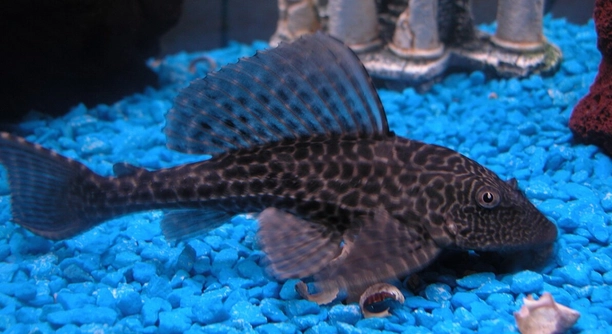
Are your plecos acting strangely in the tank, making you feel unsure about what’s normal and what’s not?
Unusual pleco behavior can indicate stress, illness, or poor water quality. Recognizing these signs early helps prevent serious health issues and supports a stable, healthy aquarium environment for your fish.
Understanding the reasons behind these behaviors can help you provide the best care and avoid bigger problems later on.
Strange Hiding Habits
When a pleco starts hiding more than usual, it’s often a sign something isn’t right. These fish do enjoy their alone time, especially during the day, but constant hiding could be linked to stress, illness, or poor water conditions. It’s important to check if other tank mates are bullying the pleco, as aggression from other fish can cause it to retreat more often. Sudden changes in lighting or loud noises near the tank can also cause them to hide. Water parameters like ammonia, nitrite, and nitrate levels should be tested regularly, as poor quality can also make them uncomfortable. Look closely at their behavior during feeding times—if they continue to stay hidden even then, that’s usually not a good sign. Consistent hiding needs attention because it may lead to weakened immunity, skipped meals, and further complications over time.
Sometimes, plecos may simply be reacting to a new environment or adjusting to changes in their setup.
If the hiding continues for several days with no improvement, you should assess tank dynamics and water conditions more carefully. It helps to provide more cover and safe spaces, but that alone won’t solve the issue if the cause is stress or illness. Look for other symptoms too, like labored breathing or loss of appetite.
Loss of Appetite
Lack of interest in food is one of the clearest signs that something may be off with your pleco.
When a pleco stops eating, it’s essential to first rule out poor water conditions. High ammonia or nitrate levels can affect appetite and general health. Next, consider the diet itself—plecos require a balance of algae, sinking wafers, and occasional vegetables. Feeding them only one type of food can lead to disinterest or malnutrition. Watch for changes in behavior, such as reduced activity or hovering in one spot, which often accompany appetite loss. Also, check their mouth and belly area for signs of redness or swelling, which may indicate an infection. A new tank setup or sudden changes in temperature might also be to blame. If the issue persists, you may need to isolate the pleco or consult a vet specializing in aquatic animals. Monitoring food intake closely and offering a variety of suitable options is key to getting them back on track.
Erratic Swimming Patterns
If your pleco starts swimming in fast, jerky motions or constantly darts around the tank, it could be reacting to stress or discomfort. This behavior isn’t normal and should be taken seriously before it leads to exhaustion or injury.
Erratic swimming is often tied to unstable water parameters. Sudden changes in pH, ammonia spikes, or temperature shifts can make a pleco act out of character. Check if the tank has recently been cleaned or if any chemicals were used nearby. Overcrowding is another common factor, especially if larger or aggressive fish are in the tank. Look at how often the behavior happens and whether it seems worse at certain times of day or after feeding. In some cases, parasites or internal infections might be causing discomfort, triggering the odd movements. Always observe their overall body condition and fin health when these patterns start.
If water quality is stable and tank mates seem peaceful, lighting could be part of the problem. Bright lights can stress plecos, especially if there are few hiding spots. Make sure there are shaded areas or driftwood where they can feel secure. Loud vibrations or noise near the tank can also cause anxiety. A calm, consistent environment helps prevent these sudden behaviors.
Gasping at the Surface
Plecos gasping at the water’s surface is a warning sign. This behavior is often linked to low oxygen levels or poor water quality. Even though plecos can breathe air occasionally, frequent gasping suggests a problem in the tank.
Start by checking your tank’s oxygen levels, especially if you’ve added new fish or decorations recently. Overcrowded tanks or clogged filters can reduce water flow, making it hard for oxygen to circulate. Make sure your filter is working properly and consider adding an air stone for better aeration. Temperature also plays a role—warmer water holds less oxygen. If your tank runs hot, you may need to cool it slightly. Sometimes, gasping happens after a water change if the new water isn’t properly conditioned. Also, double-check for any signs of illness like pale coloring or unusual body movement. Acting early can prevent serious issues from developing further.
Unusual Color Changes
If your pleco is turning pale, blotchy, or showing sudden dark patches, it may be stressed or unwell. These color shifts can also happen due to poor diet, bad water conditions, or illness.
Sometimes plecos lighten their color when sleeping or adjusting to new environments. However, if the change stays or worsens, it’s a sign to act.
Excessive Waste Production
When a pleco begins producing more waste than usual, it can be due to overfeeding or a sudden change in diet. Plecos are messy eaters, but large amounts of visible waste may signal a digestion issue or imbalance in their food. It’s important to monitor how much and how often you’re feeding.
Constant Glass Surfing
If your pleco spends a lot of time swimming against the tank walls, it may be bored or uncomfortable. This repetitive action can point to poor tank layout, lack of hiding spots, or unbalanced water conditions.
FAQ
Why is my pleco constantly hiding?
If your pleco is hiding more than usual, it could be stressed, ill, or uncomfortable with its environment. Plecos do hide during the day, but if it seems excessive or prolonged, check water parameters like ammonia, nitrate, and pH levels. Poor water quality is a common cause of stress. Overcrowding or aggression from tank mates can also push them into hiding. Consider adding more hiding spots or rearranging the tank to give your pleco a sense of security. If the hiding continues and is paired with other symptoms like loss of appetite, it’s best to investigate further.
How do I know if my pleco is sick?
Signs of illness in plecos include loss of appetite, unusual swimming behavior, and visible body changes like spots, swelling, or discoloration. If your pleco is swimming erratically or seems lethargic, check the water quality. Poor water conditions are often linked to stress and illness. Other symptoms, like gasping at the surface or unusual growths, may point to a bacterial or parasitic infection. Pay attention to your pleco’s feeding habits, energy levels, and physical appearance. If these issues persist for more than a few days, it’s a good idea to consult an aquarium vet.
Why is my pleco not eating?
Plecos may stop eating if the water quality is poor or if they’re stressed by sudden changes in their environment. Another reason could be the type of food being offered. Plecos require a variety of food, including algae, sinking pellets, and vegetables like zucchini or cucumber. If they’re offered the same food for too long, they may lose interest. Ensure that your pleco feels safe and has a proper place to eat. If this behavior continues for several days, it’s worth checking water conditions, temperature, and tank dynamics.
What’s causing my pleco to gasp at the surface?
Gasping for air is often a sign that your pleco is struggling with low oxygen levels in the tank. This can happen if there’s poor water circulation, such as a clogged filter or inadequate aeration. Check your filter and consider adding an air stone to improve oxygen levels. High water temperatures can also lower oxygen, so adjusting the tank’s temperature might help. Additionally, test water parameters to make sure ammonia and nitrate levels aren’t too high. If the pleco is constantly gasping, make the necessary adjustments to restore a healthy environment.
Is it normal for my pleco to swim upside down?
No, swimming upside down is not normal and could indicate a problem. This behavior may be caused by swim bladder issues, which affect the pleco’s ability to maintain buoyancy. Swim bladder disease can be caused by overfeeding, poor diet, or infections. If your pleco is unable to maintain an upright position, it might be struggling with internal issues. You should first check the water quality and ensure there are no sudden changes in temperature or pH. If the issue persists, consider isolating the fish and seeking veterinary advice.
Why is my pleco’s color changing?
Color changes in plecos can be caused by stress, illness, or poor water quality. If your pleco is turning pale or showing unusual dark spots, it’s a sign that something is wrong. Stress from poor tank conditions or aggression from other fish can lead to color changes. Additionally, a poor diet or lack of nutrients may cause fading colors. Keep track of your pleco’s feeding habits, monitor water quality, and make adjustments to ensure a healthy environment. If the color change doesn’t resolve after addressing these issues, you may need to consult an expert.
What should I do if my pleco is swimming erratically?
Erratic swimming is often a sign of stress, discomfort, or illness. The first step is to check your tank’s water quality and ensure the parameters are within the appropriate range. Sudden changes in temperature or water conditions can trigger unusual swimming patterns. Tank mates could also be causing stress, so monitor interactions closely. If your pleco is swimming erratically after a recent water change, it may be reacting to fluctuations in water quality. In extreme cases, erratic behavior can signal an infection, so observing your pleco’s physical appearance and behavior is crucial to understanding the problem.
How can I tell if my pleco is stressed?
Stressed plecos will often show signs such as hiding more frequently, swimming erratically, or losing their appetite. If the tank conditions aren’t ideal, they might also display unusual color changes or have difficulty breathing. Stress is commonly caused by poor water quality, temperature fluctuations, or aggression from other fish. It’s important to maintain a stable environment by performing regular water changes and monitoring the behavior of all tank mates. A stressed pleco can weaken its immune system, making it more susceptible to illness, so acting quickly is crucial to prevent further health problems.
Can I keep multiple plecos in the same tank?
Yes, you can keep multiple plecos in the same tank, but it depends on the species. Some plecos, especially the larger types, may become territorial and aggressive toward each other, especially if they feel their space is being invaded. If you want to keep more than one, make sure your tank is large enough and has plenty of hiding spots and territories. It’s also important to choose pleco species that are more peaceful, such as the smaller bristlenose plecos, if you plan to keep multiples together. Proper tank setup and adequate food supply can help prevent fights between plecos.
Why does my pleco keep swimming to the top?
Plecos may swim to the top for a few reasons. Most commonly, it’s to get air, especially if oxygen levels in the tank are low. Make sure your tank has proper filtration and consider adding an air stone for better oxygen flow. However, if your pleco constantly stays near the surface, it may also indicate water quality issues, such as high ammonia or nitrates. Make sure to test your water regularly and maintain the right tank conditions. Also, keep an eye on the temperature and ensure it is suitable for your pleco’s species.
Final Thoughts
Taking care of a pleco can be a rewarding experience, but it’s important to stay vigilant when it comes to monitoring their behavior. Plecos can show signs of distress or illness that might go unnoticed if you’re not paying attention. Keeping track of their activities, appetite, and overall health will help you address any issues early on. Remember that plecos, like all fish, rely heavily on stable water conditions to thrive. Regular water changes, proper filtration, and temperature checks are essential for maintaining a healthy environment.
If your pleco is showing any unusual behavior, it’s often a sign that something in the tank needs to be adjusted. Whether it’s water quality, tank mates, or even food variety, small changes can make a big difference. It’s always better to act quickly when you notice anything out of the ordinary. Stress and illness can progress quickly in fish, and catching these signs early can prevent bigger problems down the road.
Caring for your pleco is about more than just providing food and water. It’s about creating a space where they feel safe, healthy, and comfortable. Keep in mind that plecos are sensitive creatures, and their environment can impact their well-being in many ways. Regularly observing them and maintaining good tank practices will ensure your pleco has the best chance for a long, happy life in your aquarium.

Hello,
If you enjoy the content that we create, please consider saying a "Thank You!" by leaving a tip.
Every little bit helps us continue crafting quality advice that supports the health, happiness, and well-being of pets around the world, for pets of all shapes, sizes, and species.
We really appreciate the kindness and support that you show us!