
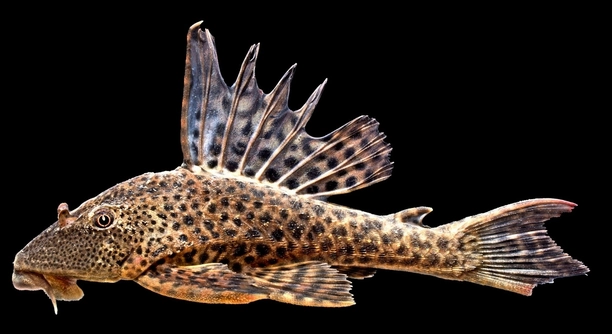
Do you ever find yourself rearranging your pleco’s tank decor, thinking it might make their space feel more interesting or clean?
Plecos can become stressed or disoriented when their tank decor is frequently changed, especially during key periods such as acclimation, breeding, illness, or after a tank cleaning. Stability in their environment helps maintain their overall well-being.
Knowing when to avoid changes can protect your pleco’s health and create a more stable underwater home for them.
When Your Pleco Is Still Adjusting to a New Tank
Plecos need time to adjust when they’re placed in a new environment. Rearranging decor during this period can overwhelm them. A stable setup gives your pleco a chance to explore, establish a hiding spot, and feel secure. The stress of moving alone is enough to affect their appetite and activity. Changing their space again can trigger even more stress, which might slow down their adjustment. It’s best to set up the tank properly before introducing them. Give your pleco at least two weeks to settle into their new surroundings before making any changes. During this time, watch how they behave, eat, and rest. If they appear calm and are eating normally, it means they’re beginning to feel comfortable. Avoiding unnecessary adjustments during this early stage helps your pleco build confidence in their new home. Once they’re settled, small changes can be introduced slowly, one piece at a time.
Keep the tank peaceful and predictable in their first few weeks.
Let your pleco feel safe by giving them a stable setup early on. Consistency during this stage can make future changes easier for them to handle. A settled pleco is more likely to explore and show natural behaviors over time.
Right After a Major Tank Cleaning
Avoid moving things around immediately after a big cleaning.
After a thorough cleaning, your pleco may already be stressed from water changes and filter maintenance. Shifting decor during this time only adds to the disturbance. Plecos use certain spots as hiding places or territories, and if these are removed or moved right after cleaning, they may feel lost or threatened. Instead of rearranging things, give them time to return to their usual routine. Clean the tank first, then observe their behavior for the next day or two. If everything seems calm and they return to their favorite spots, you can plan minor changes later if needed. Any shifts in their decor should be done gradually, not immediately after a disruptive cleaning. This helps them stay grounded and less reactive. Waiting a few days also gives you a chance to see if the cleaning itself caused any stress that needs to be addressed before adding another change.
During Breeding or Mating Behavior
Changing tank decor while plecos are breeding can interrupt their process and create stress. They rely on specific hiding spots, such as caves or logs, to lay eggs or protect their space. Moving these can stop the behavior altogether.
Breeding plecos often become territorial and protective of their chosen nesting area. If you move or remove key structures like caves or plants, it can lead to aggression or a complete stop in breeding activity. Stability is essential during this time. The male especially guards the eggs and may become anxious if his shelter is disturbed. Rearranging decor can also damage eggs or fry if they’re hidden in the moved object. If you notice signs of mating behavior—such as increased hiding, hovering near caves, or guarding spots—pause all tank changes. Let them complete the process without any interruption. Wait until the fry are swimming freely before doing any rearranging.
Keeping the tank setup steady also helps the female pleco feel safe enough to lay eggs. If she senses a sudden change in her surroundings, she may avoid the nest entirely. Once breeding starts, your role is to provide calm and consistency. Even small adjustments in decor placement or lighting can throw them off. Giving them time and space leads to better chances of successful breeding.
When Your Pleco Is Showing Signs of Illness
If your pleco looks sluggish or isn’t eating, avoid moving decor. They might already be stressed, and further changes can make it worse. A calm, familiar space supports healing and reduces additional pressure on their system.
When a pleco is sick or acting out of the ordinary, keeping their environment unchanged can help them recover faster. Tank decor often doubles as shelter, so moving it can take away their sense of security. For example, if your pleco hides more than usual or rests near one specific area, that’s likely where they feel safest. Rearranging decor in this situation might force them out into the open when they’re already weak. If you’re treating the tank with medicine, it’s even more important to maintain consistency. Moving things may also stir up debris or disrupt water flow. Let them rest and monitor their behavior instead of adding more variables during recovery.
Right After a Tankmate Has Been Added
Adding a new tankmate already shifts the tank’s social balance. Rearranging decor at the same time can confuse or overwhelm your pleco. It’s best to let things settle before making any further changes.
Your pleco needs to feel in control of its space when new fish arrive. Keep everything familiar.
After a Sudden Temperature Drop
A drop in water temperature can already make plecos sluggish or stressed. Making changes to their layout during this time adds more pressure. Instead, focus on slowly bringing the temperature back to normal and allowing the tank to stabilize. Plecos are more sensitive when they’re cold and slow-moving. They may not retreat fast enough when startled, leading to injury. Changes in layout can also shift water flow, further complicating recovery. Let your pleco regain energy before doing anything. Once the tank is warm and your pleco is active again, you can revisit the idea of adjusting decor—just wait until things feel calm again.
When Lights Are Off
Plecos are more active at night, and moving decor in the dark can startle them. Wait until the lights are on.
FAQ
Why do plecos get stressed when decor is moved?
Plecos are territorial fish that rely on consistency in their environment to feel safe. Moving their caves, driftwood, or plants can make them feel exposed and unsettled. These changes interrupt their routines and can even affect how they eat or rest. In some cases, it can lead to hiding, erratic swimming, or refusing food. Even small adjustments can make a big difference to them, especially if they’ve already claimed a spot. Stress can weaken their immune system, so it’s important to avoid unnecessary disruptions unless absolutely needed.
How often is it safe to rearrange pleco decor?
There’s no strict rule, but the less often, the better. If you need to clean or upgrade the tank, try spacing out changes by a few weeks. This gives your pleco time to adjust. Always observe how they behave after a change—if they become more active, hide more, or stop eating, consider returning the decor to its original place. Some plecos adapt faster than others, especially younger ones. But in general, keeping a stable setup is the best option for their long-term health.
Can I rearrange decor while doing a water change?
It’s best to only move decor during water changes if absolutely necessary. Doing both at once means your pleco is facing two major shifts in one day: water parameters and physical layout. If you must move things, do it gently and return them close to their original spots. Try not to disturb caves or hiding areas. If your pleco rushes around while you’re working, pause and let them calm down before continuing. They feel the vibrations and sudden movement, so keeping things slow and steady is key.
Is it okay to rearrange decor to improve tank flow?
Yes, but do it carefully. Better water flow helps maintain a clean tank, but don’t sacrifice your pleco’s comfort. If you’re adjusting decor to fix dead spots or improve filtration, try adding rather than removing elements. Use live plants or rounded stones to redirect water without disrupting your pleco’s shelter. Watch how your pleco reacts to the new flow—if they avoid certain areas or cling to the glass more than usual, consider adjusting again. They usually prefer calm zones where they can rest without constant current.
What signs show my pleco didn’t handle a decor change well?
If your pleco hides more than usual, loses appetite, or becomes more aggressive, it might be reacting to a change in its environment. Other signs include pale coloring or clamped fins. Some plecos even stop using the new layout entirely and stay in one corner. These are all red flags. If you notice these signs, try moving decor back to how it was, or at least keep things still for a while. Consistency helps them regain confidence and go back to their normal routines.
How long should I wait after a change to rearrange decor again?
Wait at least two to three weeks between major changes, especially if your pleco seemed stressed after the first one. Give them time to re-establish their territory and routines. If they’re eating well and acting normally, that’s a good sign they’ve adjusted. You can then consider small changes. But avoid full rearrangements unless something’s wrong, like an equipment issue or safety concern. Keeping a familiar layout reduces stress and makes your pleco feel secure.
Do different types of plecos react differently to decor changes?
Yes, different species have different levels of sensitivity. Bristlenose plecos are usually more adaptable than larger species like common or royal plecos, which tend to be more territorial. Smaller species that prefer dense cover may react more strongly if their hiding places are moved. Also, wild-caught plecos are often more sensitive to change compared to tank-raised ones. When in doubt, treat all plecos as if they need a stable environment. It’s better to be cautious and preserve their sense of safety.
Final Thoughts
Plecos may seem tough and adaptable, but their comfort relies heavily on a stable environment. Moving tank decor might feel small to us, but it can be a big change for them. These fish create routines, claim spots, and use specific areas to hide, rest, and feel safe. When you shift their driftwood, caves, or plants, they lose the sense of order that keeps them calm. Sudden changes often lead to stress, which shows up in many ways—hiding, not eating, or acting jumpy. While tank maintenance is important, being thoughtful about how and when you make changes will help your pleco stay happy and healthy.
It’s important to only rearrange things when it’s truly needed. If you must move decor, try to keep it simple. Don’t change everything at once, and always watch how your pleco reacts afterward. If they go back to eating, swimming calmly, and using their favorite spot again, then they’ve likely adjusted well. But if they seem off, it might be worth putting things back or giving them more time. Each pleco reacts differently, so learning your fish’s habits and signals can guide you in creating the most stable setup possible. Patience and consistency really do go a long way when keeping plecos.
In the end, tank decor is more than decoration—it’s a key part of your pleco’s daily life. Rearranging it too often, or at the wrong time, can cause more harm than good. While it can be tempting to change things up for a fresh look or to test a new layout, the impact on your pleco should always come first. A steady, predictable setup helps build trust and keeps their stress levels low. Think of your aquarium from your pleco’s point of view. Stability gives them confidence, and that confidence leads to better health, stronger behavior, and an overall more enjoyable tank. Taking these small steps can make a big difference over time.

Hello,
If you enjoy the content that we create, please consider saying a "Thank You!" by leaving a tip.
Every little bit helps us continue crafting quality advice that supports the health, happiness, and well-being of pets around the world, for pets of all shapes, sizes, and species.
We really appreciate the kindness and support that you show us!