
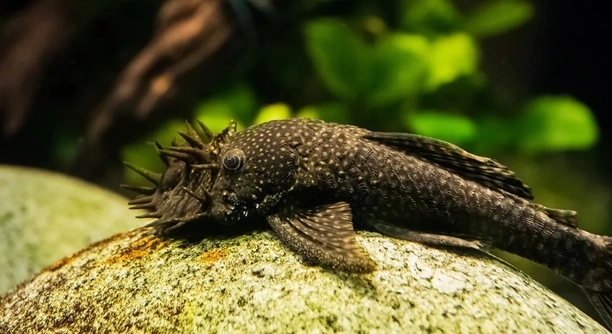
A healthy pleco is a joy to have in your aquarium, but it’s important to ensure they’re getting the right amount of food. Observing your pleco’s eating habits can reveal a lot about their overall well-being.
The best way to tell if your pleco is getting enough food is by monitoring its growth, behavior, and appearance. Plecos that are underfed may appear lethargic, lose weight, or develop visible signs of malnutrition.
Knowing how to check these signs will give you a better understanding of your pleco’s diet. This article highlights key factors to consider when evaluating their feeding habits.
1. Observing Pleco Behavior
Plecos are known for their unique behavior in the aquarium, often seen hiding during the day and becoming more active at night. If your pleco is consistently lethargic or hardly comes out to eat, it may indicate that it’s not getting enough food. Active plecos are usually hungry and will engage in algae eating or other food sources available in the tank. If you notice your pleco spending more time in hiding than usual or not interacting with the environment, it may be a sign that it’s either stressed or underfed. It’s important to pay attention to their general movements.
Plecos should also display interest in food. If your pleco does not respond when food is added to the tank, it may be a sign of a feeding issue.
In some cases, plecos will become more aggressive toward other fish in search of food if they’re not getting enough. You might notice them trying to outcompete other tank mates for food. A sudden change in behavior like this could suggest they are not getting the nutrients they need.
2. Weight and Appearance
If your pleco seems thin or its body appears sunken, it could be an indication of poor feeding. Healthy plecos have a fuller, rounder shape.
Underfed plecos may lose weight and become visibly thinner. Their size will also be smaller than expected for their age or species, which could indicate they aren’t getting enough to eat. Over time, this can lead to more serious health problems. If your pleco’s skin looks dull or its fins are ragged, those can also be signs of malnutrition.
You can also monitor the pleco’s belly, which should look slightly rounded after meals. If it appears flat or drawn in, the pleco is likely not eating enough food. Also, check for any signs of bloating, as this can point to an imbalance in their diet. Plecos need a varied diet of both plant matter and protein. If they are only eating one type of food, their nutritional needs might not be met, leading to weight loss.
3. Tank Cleanliness and Algae Growth
Plecos are natural algae eaters, and if your tank has a steady growth of algae, it’s a good sign your pleco is feeding well. However, if algae starts to build up and your pleco isn’t eating it, this could mean it’s not getting enough food.
A well-fed pleco will usually keep the algae in check, scraping off surfaces like rocks, plants, and the tank glass. If you notice excessive algae buildup in the tank, it’s worth checking if your pleco is actively grazing. This is especially important because plecos are also essential for maintaining balance in a tank’s ecosystem. If they aren’t eating enough, they may lack the energy to perform these cleaning duties.
Sometimes, a pleco may stop eating algae due to a lack of variety in its diet. While they do consume algae, they also need a mix of vegetables and proteins. An imbalanced diet can cause them to lose interest in algae eating, further contributing to an unhealthy tank.
4. Feeding Time and Response
How your pleco responds during feeding time is a good indicator of whether they’re hungry. If your pleco quickly comes to the surface when food is added, it is likely getting the proper amount of food.
A healthy pleco will react excitedly when food is dropped in the tank, showing eagerness to eat. Plecos that are underfed may seem uninterested, ignoring the food or swimming away. It’s important to observe your pleco during feeding times. If they are still not eating after several attempts or refusing all types of food, it might be a sign that they are either ill or not receiving adequate nutrition. Plecos will also eat more actively if they are provided with a balanced diet, which includes a combination of algae wafers, vegetables like zucchini, and protein-rich foods.
It’s essential to feed them at a consistent time and avoid overfeeding, which can lead to water quality problems. However, not seeing your pleco eating enough during feeding time could indicate that they’re not receiving their full nutritional needs.
5. Lack of Activity and Hiding
If your pleco becomes more reclusive or spends excessive time hiding, it may indicate they’re not getting enough food. A well-fed pleco tends to be more active, exploring the tank and feeding when given the opportunity.
Plecos need a balanced diet to keep them healthy and energized. If they’re not eating enough, they may retreat into dark corners or hide behind rocks and decorations. Lack of food can make them sluggish, as their energy reserves are depleted. Pay attention to any significant increase in hiding behavior, as it can point to malnutrition or stress.
6. Changes in Tankmates’ Behavior
The behavior of other fish in the tank can also give you clues. If other fish seem more aggressive or seem to be competing with your pleco for food, it might suggest that your pleco isn’t eating enough. Plecos should be able to access food without competition.
Healthy plecos are generally peaceful and won’t compete much for food. However, in tanks where other fish are more dominant, a lack of sufficient food could force them to compete, which affects the pleco’s health. It’s essential to ensure that the pleco has equal access to food during feeding times. If you’re noticing other fish becoming more aggressive or taking food from your pleco, it’s a sign to step up feeding efforts for your pleco.
FAQ
How often should I feed my pleco?
Plecos should be fed once a day, but the quantity should depend on the size and age of the fish. Young plecos may need more frequent meals, while adults can be fed once a day. It’s essential not to overfeed, as excess food can pollute the tank. A good rule is to offer only what your pleco can consume in about 2-3 hours. If there’s leftover food, it’s a sign of overfeeding.
Can plecos survive on algae alone?
While plecos are great at eating algae, they shouldn’t survive solely on it. They need a varied diet that includes vegetables, such as zucchini, cucumber, and spinach, along with protein-rich food like shrimp, worms, and algae wafers. If your pleco’s diet is limited to algae, it may develop deficiencies over time, leading to health problems.
Why is my pleco not eating?
There are a few reasons why a pleco might stop eating. Stress from a new environment, water quality issues, or tankmate aggression can reduce a pleco’s appetite. Additionally, an imbalanced diet or illness can cause a pleco to avoid food. If your pleco isn’t eating for more than a couple of days, it’s important to check water conditions and consider offering a variety of foods.
Can plecos eat pellets and wafers?
Yes, plecos can eat pellets and algae wafers. These types of food are designed to provide a balanced diet for plecos, especially those that spend most of their time at the bottom of the tank. Choose high-quality, sinking pellets or wafers that are rich in fiber and protein. Make sure to vary the type of food you offer to avoid nutritional gaps.
What vegetables can I feed my pleco?
Plecos enjoy a variety of vegetables, such as zucchini, cucumber, sweet potatoes, and spinach. You can blanch these vegetables to make them softer and easier for your pleco to consume. Avoid feeding them vegetables that are too hard or unripe, as they may be difficult for the pleco to digest.
How do I know if my pleco is overfed?
Overfeeding can lead to bloating or a distended belly, which is a clear sign of overfeeding. Additionally, if you notice uneaten food lingering in the tank for too long, it may indicate that you’re offering too much. Overfed plecos may also become lethargic, as excess food can lead to poor water quality, stressing the fish. Make sure to remove uneaten food after feeding and avoid offering more than your pleco can eat in a few hours.
Do plecos need protein in their diet?
Yes, plecos need protein in their diet, especially for their growth and health. They can get protein from live or frozen foods such as brine shrimp, bloodworms, or small snails. You can also use commercial foods that are high in protein. Protein is important, but it should not make up the majority of their diet—plecos need fiber-rich foods, like vegetables, to stay healthy.
Can my pleco eat fruit?
While plecos may nibble on fruit occasionally, it shouldn’t make up a large portion of their diet. Fruit is sugary, and consuming too much can lead to digestive issues. You can try offering small amounts of fruit like apple slices or melon once in a while, but it should be limited. Stick to more nutrient-dense foods, like vegetables, for their main diet.
What should I do if my pleco looks sick?
If your pleco shows signs of illness, such as reduced appetite, lethargy, or physical abnormalities like discolored spots or bloating, it’s crucial to assess their environment. Check the water parameters—like temperature, pH, ammonia, and nitrate levels. Remove any aggressive tankmates and consider isolating the pleco to prevent further stress. Offering a varied, balanced diet can help boost their immune system. If symptoms persist, consult a veterinarian or aquarium expert for a more specific diagnosis.
How can I ensure my pleco gets enough food?
Make sure your pleco has easy access to food and that it’s being fed a balanced diet. Provide sinking food so the pleco can graze at its own pace. You can place food in areas where the pleco usually hangs out, like near the substrate or decorations. Avoid overfeeding other fish, as plecos can sometimes be shy and miss out on food. Regularly check that your pleco is eating and adjusting its food intake accordingly.
Final Thoughts
Ensuring your pleco is getting enough food is crucial for its health and well-being. Plecos are sensitive to changes in their environment, and a proper diet plays a big role in maintaining their energy and activity levels. By observing their behavior, physical appearance, and response during feeding time, you can better understand their dietary needs. It’s also important to offer a variety of foods, including vegetables, proteins, and algae-based products, to ensure they get all the nutrients they require. With a balanced diet and regular monitoring, you can help keep your pleco happy and healthy.
Another key point is to avoid overfeeding. While it might seem like giving your pleco extra food would be beneficial, too much food can lead to water quality issues and stress for the fish. Overfeeding can also cause health problems, such as bloating or lethargy. It’s important to feed your pleco just enough so that it can consume everything in a few hours, and then remove any uneaten food to maintain a clean tank. Keeping your tank clean and checking the water parameters regularly will help ensure that your pleco thrives.
Lastly, if you notice any signs of underfeeding, like unusual behavior, poor appearance, or lack of appetite, it’s important to take action quickly. Start by adjusting the food offerings and make sure your pleco has easy access to meals. If these issues continue, it may be worth consulting an aquarium specialist or a veterinarian. Proper care and attention to their diet will ensure that your pleco lives a long, healthy life in your aquarium.

Hello,
If you enjoy the content that we create, please consider saying a "Thank You!" by leaving a tip.
Every little bit helps us continue crafting quality advice that supports the health, happiness, and well-being of pets around the world, for pets of all shapes, sizes, and species.
We really appreciate the kindness and support that you show us!