
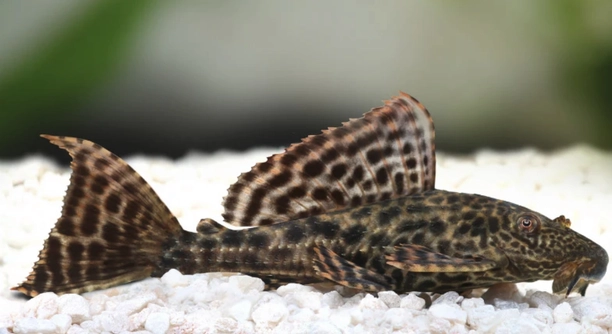
Plecos are popular aquarium fish, known for their algae-eating habits and peaceful nature. However, many fish owners may wonder if plecos have a sense of territory in their tanks. Understanding this behavior can help improve aquarium setups and fish health.
Plecos do exhibit territorial behavior, especially in confined spaces. They may claim caves, rocks, or other hiding spots as their own, particularly when they feel threatened or during breeding. This behavior is a natural survival instinct.
Aquarium owners should be mindful of plecos’ need for space and hiding spots to ensure they feel secure.
Understanding Pleco Behavior
Plecos are generally known for their calm and peaceful nature. However, in certain situations, they can exhibit territorial behavior. This is most noticeable when they feel their environment is too crowded or when other fish get too close to their hiding spots. Plecos often stake a claim to caves or other hiding spaces, particularly when they need to rest or protect themselves. These hiding spots are important for their sense of security, and when they are disturbed, plecos may display aggressive behaviors like chasing or defending their area.
Territorial behavior is also linked to the pleco’s need for space. Overcrowding in the tank can lead to stress, which might trigger more pronounced territorial actions. It’s crucial to provide enough hiding places and spaces for plecos to feel safe and secure.
If you’re noticing your pleco acting more aggressively than usual, consider whether their space in the tank is sufficient. Ensuring they have enough room can go a long way in reducing territorial disputes and improving their overall well-being.
How Territorial Behavior Affects Tank Mates
Territorial behavior in plecos can sometimes affect other fish in the tank. If your pleco has claimed a certain area, it might try to keep other fish away from that space. This can create tension, especially if your tank houses other bottom dwellers or fish that also prefer similar hiding spots. In these cases, it’s essential to monitor the interactions between your pleco and other species.
Providing enough space for all fish in the tank is the best way to avoid conflict. Each pleco should have access to at least one cave or hiding spot that they can call their own. If space is tight, consider adjusting the number of fish in your tank or changing its layout.
When plecos feel secure, their territorial behavior tends to be less aggressive, leading to a more peaceful aquarium. Ensuring your tank is spacious and well-organized will help your plecos and their tank mates coexist more harmoniously.
Plecos and Their Hiding Spots
Plecos need hiding spots to feel secure. These areas provide a place to rest and escape from potential threats. If there aren’t enough hiding spots in the tank, plecos might start defending the few available spaces, leading to territorial behavior. It’s important to offer them caves, rocks, or plants to hide behind.
When plecos claim a hiding spot, they might become protective of it, especially if they are the only ones using it. If other fish attempt to enter their space, plecos could chase them away or even become aggressive. The more hiding spaces you can provide, the better. This helps reduce the chance of conflict between plecos and other tank mates.
Adding a variety of hiding spots can also improve the tank’s overall environment. Plecos are not the only fish that need secure places to retreat. A well-designed tank with plenty of hiding spots helps create a more peaceful atmosphere for everyone in it.
Territoriality and Breeding
Territorial behavior in plecos can become more pronounced during the breeding season. When they are ready to breed, plecos become extra protective of their chosen space. This might involve guarding a cave or a secluded area where they feel safe to lay eggs. During this time, plecos are more likely to show aggression toward other fish that get too close to their territory.
The males are especially active in defending their breeding spots. They will chase off any intruders and may even block other fish from approaching. Understanding this behavior helps tank owners know when plecos are breeding, so they can give them the space they need.
To reduce stress during the breeding season, it’s crucial to ensure that plecos have plenty of room and hiding spots. Avoid overcrowding the tank and make sure the plecos have a quiet, secluded area where they can focus on their breeding activities without interference from other fish.
Tank Size and Territorial Behavior
The size of the tank plays a significant role in territorial behavior. In smaller tanks, plecos have less space to roam, making them more likely to defend their territory aggressively. Larger tanks allow them to have more room and less competition for hiding spots, leading to calmer behavior.
A crowded tank, especially in small spaces, increases stress for plecos. With limited hiding spots and insufficient room, plecos can become more territorial and aggressive toward other fish. A larger tank reduces these stressors, providing plecos with the space they need to thrive and feel secure.
Providing Enough Space
Providing enough space for plecos is essential to keeping the peace in the aquarium. In larger tanks, they can establish their own territories without constantly clashing with other fish. More space also reduces stress and helps maintain healthier fish overall.
Avoiding Overcrowding
Overcrowding is one of the biggest factors that can trigger territorial behavior in plecos. Too many fish in a small space will increase competition for hiding spots and food. This can lead to more aggression and stress, which can negatively affect the health of all tank inhabitants.
FAQ
Do plecos get territorial in all types of tanks?
Yes, plecos can display territorial behavior in any tank, but it is more noticeable in smaller or overcrowded tanks. In larger tanks, they have more space to roam and less reason to feel threatened by other fish. However, in a small tank with limited hiding spots, plecos are more likely to become protective of their space.
What are the signs that a pleco is being territorial?
Territorial plecos may chase away other fish, especially if they come too close to their claimed hiding spots. They may also display aggressive behaviors like flaring their fins or posturing to defend their area. If you notice your pleco acting more defensively, it’s likely a sign of territoriality.
How do I prevent plecos from becoming too territorial?
To prevent plecos from becoming overly territorial, ensure your tank has plenty of hiding spots for each fish. A larger tank with a well-structured layout will allow them to claim their own space without feeling overcrowded. Avoid placing too many fish in a small tank, as this increases stress and territorial disputes.
Are plecos aggressive towards other species in the tank?
Plecos are generally peaceful but may become aggressive towards other species if they feel their territory is being threatened. If another fish invades their space or comes too close to their hiding spot, the pleco might chase it away or show defensive behavior. Most of the time, plecos are not aggressive unless provoked.
Can plecos live with other bottom-dwelling fish?
Plecos can live with other bottom-dwelling fish, but it depends on the tank size and the personalities of the fish involved. In a larger tank, they are less likely to compete for territory. In smaller tanks, though, they may clash with other bottom dwellers for hiding spots or food. It’s essential to monitor their interactions to ensure peaceful coexistence.
Do plecos need their own space to breed?
Yes, plecos prefer to have their own space to breed. Male plecos will typically claim a cave or hidden area to lay eggs. They are very territorial during breeding, and the male will aggressively defend his space from other fish. To encourage successful breeding, make sure your plecos have a secluded area to breed without disturbance from other tank mates.
How can I reduce pleco aggression in a community tank?
To reduce pleco aggression in a community tank, provide plenty of hiding spots for all fish. Ensuring there is enough space in the tank helps avoid territorial disputes. Adding plants, rocks, or caves in different areas will give plecos and other fish options for retreating and claiming their own territories. The less competition for space, the more peaceful the tank will be.
Can plecos be kept with other territorial fish?
It’s not recommended to keep plecos with other territorial fish in small tanks, as this may lead to aggression and territorial fights. However, in larger tanks, plecos and other territorial species can coexist as long as they have enough space and hiding spots to claim for themselves. Monitoring their behavior is essential to ensure that no fish becomes stressed or injured.
Are plecos territorial towards their own kind?
Plecos can be territorial with other plecos, especially if the tank is too small. In larger tanks, they may tolerate other plecos, but they will still claim certain areas for themselves. During the breeding season, plecos are particularly territorial and may show increased aggression towards others of their species. It’s best to keep only one pleco per tank or have a larger tank that allows them to avoid each other.
How do I know if my pleco is stressed from territorial disputes?
If your pleco is stressed from territorial disputes, it may show signs of hiding more frequently, reduced activity, or even loss of appetite. In some cases, they might display unusual behavior, like rubbing against tank surfaces or showing more aggression. Stress from territorial issues can also lead to health problems, so it’s important to address the situation quickly.
What size tank is best for a pleco to avoid territorial issues?
A tank that is at least 75 gallons is ideal for keeping plecos and avoiding territorial issues. This size allows enough space for them to establish their own areas without feeling overcrowded. A larger tank also gives room for other species, reducing competition for hiding spots. If your pleco grows large, you may need an even bigger tank to ensure it has enough space to thrive.
Final Thoughts
Plecos are generally peaceful fish, but they can become territorial under certain conditions. The key to preventing territorial behavior is providing them with enough space and hiding spots. In a well-structured tank with plenty of room to roam, plecos are less likely to feel threatened by other fish and more likely to coexist peacefully. If your pleco is exhibiting territorial behavior, it’s often a sign that the tank is overcrowded or lacks sufficient hiding spots for each fish. By giving your pleco the space it needs, you can reduce stress and help keep the aquarium environment calm.
Understanding the signs of territoriality is also important. Plecos will often guard caves, rocks, or other hiding places, particularly when they feel these spots are essential for their security. This behavior may include chasing other fish away or even displaying aggression when their space is threatened. By observing your pleco’s behavior and adjusting the tank environment accordingly, you can minimize these territorial disputes. Providing a variety of hiding spots, like caves or plants, can help reduce competition and make your pleco feel more comfortable. If the behavior persists, it might be worth considering a tank size upgrade or rethinking your tank layout.
In the end, the goal is to create a balanced and peaceful aquarium. Plecos can be a great addition to a community tank as long as their needs for space, security, and food are met. With the right tank setup and a bit of attention to their territorial behavior, plecos can live happily alongside other fish. Remember, a little space and structure can go a long way in making sure your pleco is content and your aquarium stays harmonious.

Hello,
If you enjoy the content that we create, please consider saying a "Thank You!" by leaving a tip.
Every little bit helps us continue crafting quality advice that supports the health, happiness, and well-being of pets around the world, for pets of all shapes, sizes, and species.
We really appreciate the kindness and support that you show us!