
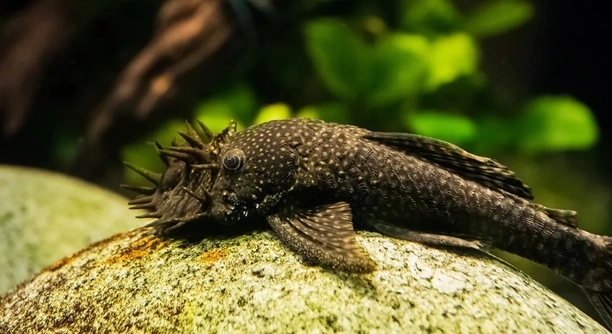
Do you ever find yourself watching your pleco stay off to the side, barely interacting with the other fish in the tank?
Plecos often avoid other fish due to their solitary nature, preference for quiet spaces, and stress from overcrowding or incompatible tank mates. Environmental factors such as lighting and tank layout may also contribute to their isolated behavior.
Understanding why your pleco prefers solitude can help you create a more comfortable space that fits its needs and promotes better tank harmony.
Why Your Pleco Prefers to Be Alone
Plecos are naturally shy and prefer to stay hidden most of the time. They are bottom dwellers that enjoy quiet, dark spaces where they can feel safe. In a tank with active or aggressive fish, plecos may choose to avoid interaction altogether. Some plecos are more sensitive than others, especially if the tank is brightly lit or lacks enough hiding spots. If the environment feels too busy or overwhelming, they will retreat and stay in corners or under decorations. Unlike more social fish, plecos don’t typically bond with tank mates. They need space to feel comfortable and aren’t likely to swim around the tank just to interact. Providing them with caves, driftwood, and soft lighting can help reduce their stress. A calm, well-structured tank helps them feel at ease without needing to constantly avoid other fish. Sometimes, they’re not scared—they just like being left alone.
Plecos also tend to be most active at night. You may not see them out much during the day.
If your pleco is new to the tank, it may need time to adjust. Many fish need a few weeks to settle in, and plecos are no different. During this adjustment period, they may avoid both other fish and visible areas of the tank. They are very cautious when entering unfamiliar environments, especially if the tank has loud or aggressive species swimming around. The more comfortable your pleco becomes, the more likely it is to roam during the night. If weeks pass and it’s still hiding constantly, it might be worth checking the water parameters, food variety, and tank layout. Something as simple as more caves or plants could make a big difference. Just remember—some plecos never become social with other fish, and that’s perfectly normal. As long as it’s eating well and staying healthy, you don’t need to worry too much about its behavior.
When It Might Be More Than Personality
A pleco that suddenly becomes withdrawn or hides more than usual could be experiencing stress or illness.
If your pleco is avoiding other fish more than usual and seems lethargic, it could be a sign something isn’t right. Water conditions are one of the most important factors for a healthy tank. Check for ammonia, nitrite, and nitrate levels, as even slight imbalances can affect bottom dwellers quickly. Plecos also need a stable pH and temperature range to thrive. Tank mates play a big part as well. Aggressive or overly active fish may not harm your pleco physically, but they can make the tank feel unsafe. Another thing to look for is feeding behavior. If your pleco is hiding so much that it’s not coming out to eat, that’s a red flag. Make sure food is reaching the bottom and offered at night when plecos are most active. Look for signs of infection or injury, like red patches or cloudy eyes. Acting early can prevent things from getting worse.
Creating a Comfortable Space for Your Pleco
Tank setup has a big impact on how your pleco behaves. If the tank feels too open or bright, they will often hide. A calm, dim space with enough hiding spots helps them feel more secure.
Start by adding caves, driftwood, or rock tunnels to give your pleco plenty of options for hiding. These structures mimic the dark crevices they would use in the wild. Also, try using floating plants or low lighting to reduce brightness. Bright tanks can make them feel exposed and anxious. If you’re using gravel, consider switching to sand—it’s gentler on their body and better for bottom-feeding behavior. Space matters too. A small tank with too many fish increases stress. Keep the water calm and stable. Avoid sudden changes in temperature or pH. The more consistent your tank is, the more comfortable your pleco will be.
Be mindful of your pleco’s size as it grows. Many species get much larger than people expect. If the tank becomes too small, your pleco may feel trapped or cramped. A larger tank not only gives more space to move but also helps manage water quality better. Poor water conditions make fish stressed and more likely to isolate. Keep tank mates peaceful and slow-moving, especially near the bottom. If they’re too active or territorial, your pleco will stay hidden more often. Make sure food reaches the bottom and offer a mix of algae wafers and fresh vegetables. If they’re not getting enough food, they might stop coming out. A well-fed pleco in a calm, clean tank is much more likely to be visible and relaxed.
Understanding Tank Mates and Compatibility
Plecos don’t enjoy constant movement or high-energy tank mates. Fish that swim fast or pick at others can cause stress and keep your pleco in hiding.
Good tank mates for plecos include peaceful species like tetras, rasboras, and corydoras. These fish tend to stay out of the pleco’s way and don’t compete heavily for space on the bottom. Avoid cichlids, loaches, and other territorial fish that might crowd or bother your pleco. It’s also important to watch behavior during feeding times. If other fish are always eating before the food reaches the bottom, your pleco might not be getting enough. Feeding at night or after the lights go out can help. Compatibility isn’t just about species—it’s also about individual behavior. If you notice one fish always chasing or bothering your pleco, consider rehoming it or rearranging the tank to break up its territory. Small changes can lead to a big difference in comfort.
Signs Your Pleco Is Stressed
A stressed pleco may stop eating, hide constantly, or appear pale in color. Rapid gill movement or sudden darting can also signal discomfort. These signs often point to poor water quality, tank overcrowding, or constant disturbances.
Other signs include staying stuck to one spot for long periods or avoiding food altogether. If this happens often, check for aggressive tank mates or strong water flow.
How to Support a Shy Pleco
Supporting a shy pleco starts with creating a stable environment. Keep lighting soft and avoid sudden changes in tank conditions. Add more hiding places and avoid overcrowding the tank. Feed at night, when plecos feel safer coming out. Monitor tank mates and remove any that seem too active or aggressive. Keep the water clean and check parameters weekly. Provide fresh vegetables like zucchini or cucumber, and make sure food reaches the bottom. Patience is key—some plecos simply prefer a quiet lifestyle. As long as they’re healthy and eating, being shy isn’t always a bad thing.
Final Thoughts on Pleco Behavior
Plecos enjoy calm, low-stress tanks and prefer their own space. A peaceful environment will help them feel more secure.
FAQ
Why is my pleco hiding all the time?
Plecos are naturally shy and often prefer staying hidden. If your pleco is hiding frequently, it could be due to stress from aggressive tank mates, bright lighting, or an overcrowded tank. Ensure there are enough hiding spots like caves or driftwood and reduce the lighting. Over time, as the pleco gets comfortable, it may come out more often. Additionally, plecos tend to be more active at night, so it’s normal if you don’t see them much during the day.
Can plecos live with other fish?
Yes, plecos can live with other fish, but it’s essential to choose compatible tank mates. Plecos are peaceful and don’t usually cause issues with other species, but they may be stressed by overly active or territorial fish. Species like tetras, guppies, or peaceful barbs work well with plecos. Avoid aggressive fish like cichlids or large, fast-moving species. Make sure the other fish don’t compete for the same bottom space, as plecos are bottom dwellers.
Is my pleco sick or just avoiding others?
If your pleco is avoiding other fish but still seems active and eats regularly, it’s likely just its natural behavior. However, if it’s hiding excessively, not eating, or showing unusual behavior like rapid gill movement, pale coloring, or swelling, it might be sick. In this case, check the water quality first, as poor water conditions often lead to health problems. If the water is clean and the behavior persists, look for signs of injury, infection, or parasites.
How can I make my pleco more comfortable in the tank?
To make your pleco more comfortable, create a calm environment. Add hiding places like caves, driftwood, or rocks that mimic the pleco’s natural habitat. Keep the water clean and ensure the temperature and pH are stable. Plecos prefer soft lighting, so reduce the brightness or use plants to provide shade. Avoid overcrowding the tank, as it can increase stress. Additionally, provide a variety of food, like algae wafers, vegetables, and occasional protein, to keep your pleco healthy and less stressed.
How much space does a pleco need in the tank?
Plecos can grow large, so they need plenty of space. A common species like the Bristlenose pleco can grow up to 5-6 inches, while larger species like the common pleco can reach over 12 inches. For smaller plecos, a 30-gallon tank is a minimum, but larger species will need at least a 75-gallon tank to accommodate their size and swimming space. A spacious tank also helps maintain water quality, reducing stress on the pleco.
Can plecos eat regular fish food?
Plecos have a diet primarily made up of algae and plant matter. While they can eat regular fish food, they need specialized foods like algae wafers or sinking pellets. These are formulated to meet their specific nutritional needs. Additionally, plecos enjoy fresh vegetables like zucchini, cucumber, and spinach. If you’re feeding regular fish food, make sure it contains enough fiber, as plecos need this for proper digestion.
Why is my pleco not eating?
If your pleco isn’t eating, there could be several reasons. The most common are poor water quality, stress from aggressive tank mates, or the food not being appropriate. Check water parameters to ensure they’re within the correct range. If the water is fine, consider whether your pleco’s tank mates are causing stress. Sometimes, plecos are just picky about food. Try offering different types of food like algae wafers, fresh vegetables, or sinking pellets to see if they prefer something else.
Do plecos need a heater?
Yes, plecos are tropical fish and need a heater to maintain a stable water temperature. The ideal range is between 72°F and 78°F (22°C to 26°C). A heater ensures that the water stays at a consistent temperature, which is essential for your pleco’s health and comfort. Avoid drastic temperature changes, as they can cause stress or illness. Regularly check the temperature with a thermometer to make sure it stays within the proper range.
How do I tell if my pleco is happy?
A happy pleco will typically be active, exploring the tank, and foraging for food, especially at night. It should also have a healthy appetite, eating algae and other foods you offer. Healthy plecos have clear, smooth skin and will swim slowly but steadily around the bottom. If your pleco seems overly lethargic or refuses to eat, there could be an issue with its health or the tank environment.
Why is my pleco swimming at the surface?
If your pleco is swimming at the surface of the water, it may be struggling to breathe. This could indicate that the water quality is poor, with high levels of toxins like ammonia or nitrites. It could also suggest low oxygen levels in the tank. Check the water parameters and ensure there’s proper filtration and aeration. If the problem persists, consider increasing water changes or adding an air stone to improve oxygen flow.
What’s the best food for plecos?
The best food for plecos includes algae wafers, sinking pellets, and fresh vegetables like zucchini, cucumber, or spinach. Plecos are herbivores, so their diet should primarily consist of plant matter. In addition to algae, you can provide occasional protein like bloodworms or brine shrimp, but these should be offered sparingly. Plecos are also excellent at eating leftover fish food and algae in the tank, so keep the tank clean to give them extra foraging opportunities.
How often should I clean the tank for my pleco?
Plecos are natural cleaners and will help reduce algae growth in your tank. However, that doesn’t mean you can skip regular cleaning. To keep your pleco healthy, perform a partial water change of 25-30% every 1-2 weeks, depending on tank size and the number of fish. Clean the filter regularly and remove any uneaten food from the substrate. If your pleco is larger or the tank is crowded, you may need to clean more frequently. Keeping the tank clean ensures a stable environment and prevents stress.
Can plecos live with snails?
Yes, plecos can live with snails, as they don’t typically pose a threat to each other. However, plecos may eat snails in certain cases, especially if the snails are smaller and more vulnerable. Snails are also good algae eaters, so they can help keep the tank clean alongside your pleco. Just make sure the tank isn’t overcrowded, as both plecos and snails need space to thrive. Keep an eye on their behavior to ensure they’re not interfering with each other.
Final Thoughts
Understanding your pleco’s behavior is key to creating the right environment for it to thrive. These fish are naturally shy and prefer a peaceful, quiet space. They can spend a lot of time hiding, especially if they feel stressed by other fish, bright lights, or a crowded tank. This doesn’t necessarily mean something is wrong with your pleco—it’s simply part of their nature. As long as they have plenty of hiding spots and the tank conditions are stable, they will likely become more comfortable over time. Plecos often feel safer at night, which is when they’re most active, so don’t be surprised if you only notice them out during those hours.
Providing the right tank setup is essential for your pleco’s well-being. It’s important to create a space that mimics their natural environment. Add plenty of hiding places like caves, rocks, and driftwood, which allow them to feel secure. Also, keep the tank clean and stable. Pay attention to water parameters such as temperature, pH, and ammonia levels. If the water quality isn’t right, it can cause stress, which may make your pleco more withdrawn. Consistent water changes and a good filtration system are essential for keeping the environment safe and healthy. Make sure to feed your pleco a proper diet, including algae wafers, fresh vegetables, and occasionally some protein.
Finally, while plecos may not always be social, they can still be healthy and happy in their own way. Some plecos will never interact much with other fish, and that’s perfectly fine. As long as they are eating, growing, and have a stable tank, there’s no need to worry about their preference for solitude. However, if your pleco stops eating, seems unusually lethargic, or starts showing signs of illness, it’s important to address any potential issues with water quality or tank mates. Regularly monitor their behavior and environment to ensure that they stay healthy and comfortable in your tank. With patience and care, your pleco will continue to thrive, whether it’s swimming peacefully at night or quietly staying to itself during the day.

Hello,
If you enjoy the content that we create, please consider saying a "Thank You!" by leaving a tip.
Every little bit helps us continue crafting quality advice that supports the health, happiness, and well-being of pets around the world, for pets of all shapes, sizes, and species.
We really appreciate the kindness and support that you show us!