
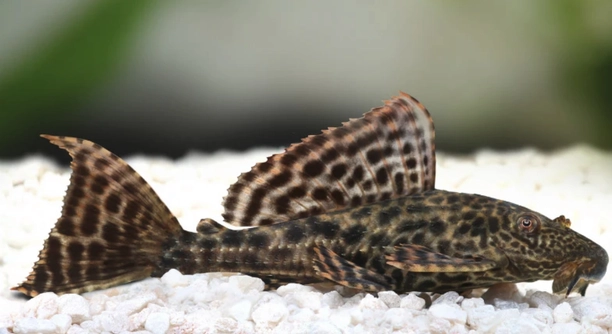
Overcrowding a pleco tank can lead to stress and health issues for your fish. Understanding how many plecos can comfortably live together is important for their well-being and your aquarium’s success.
Overcrowding a pleco tank can result in poor water quality, stress, and increased risk of disease. Plecos are territorial and need sufficient space to thrive, so overcrowding can cause them to become aggressive or unhealthy.
Managing tank size, water conditions, and the number of plecos can help create a healthier environment for your fish. Let’s look at what to avoid and how to keep your plecos happy and thriving.
What Does Overcrowding Do to a Pleco?
When a pleco tank becomes overcrowded, the first problem you’ll notice is poor water quality. Plecos are bottom dwellers and produce a lot of waste, which can quickly build up in a small space. This creates a breeding ground for harmful bacteria, and water conditions may deteriorate rapidly. Overcrowding also limits the available oxygen, causing stress on your fish. They may struggle to breathe and become lethargic or less active. A stressed pleco is more susceptible to diseases, and their overall health can decline quickly without proper care. With too many plecos in one tank, competition for food can also arise, leaving some fish malnourished or weaker than others.
While plecos are often considered low-maintenance fish, they still require ample space. Without it, they may also become territorial, leading to aggressive behavior. This could result in fin damage or even death if not addressed promptly.
A properly stocked pleco tank should have enough room for each fish to swim freely and access all necessary resources. Monitoring water quality, tank size, and the number of plecos can ensure that they remain healthy.
How to Prevent Overcrowding
To avoid overcrowding, consider the adult size of plecos when planning your tank.
A 55-gallon tank should comfortably house one adult pleco, with additional space for each extra fish. You can house smaller species of plecos in smaller tanks, but it’s important not to exceed the recommended stocking levels. Keep in mind that plecos grow large, and each fish needs room to thrive. If you plan to add more plecos, a larger tank is a must. Proper filtration is also essential, as plecos produce a significant amount of waste. A good filter will help maintain water quality and reduce stress on your fish. Overcrowding is often an issue for beginners who don’t fully understand the needs of these fish. Always research the species of plecos you have and how much space they need. This way, you can create a healthy, happy environment that benefits both your plecos and your tank.
Signs Your Plecos Are Stressed
Stress in plecos often shows through unusual behavior, such as hiding more often than usual or becoming lethargic. Their colors may dull, and they may stop eating. Stress also affects their immune system, leading to health problems like skin lesions or fin rot.
If you notice a sudden decline in activity or eating habits, it’s likely due to overcrowding. Plecos naturally enjoy their space, and when they feel cramped, it can lead to anxiety. They may also start fighting over food or territory. If this behavior continues, the lack of space and resources will only worsen their stress, leaving them vulnerable to diseases.
Monitoring your plecos for signs of stress is crucial. Ensure the tank is large enough and that there are sufficient hiding spots to make them feel secure. Providing them with proper space and water conditions will help reduce stress and improve their overall health.
Importance of Tank Size and Space
Tank size is essential when keeping plecos, as they require ample space to move around. A small tank can quickly become overcrowded, stressing your plecos. If the tank is too small, they won’t be able to establish their territories, leading to aggression.
When selecting a tank, consider the size of your plecos at full growth. Larger pleco species may require tanks that are 75 gallons or more. Providing ample swimming space is essential for maintaining their health and preventing overcrowding. It’s also important to avoid adding too many other fish to the tank, as this can cause additional stress. Proper space allows plecos to forage for food, explore their environment, and avoid fighting. Having enough room reduces the likelihood of territorial disputes, helping your plecos feel secure and relaxed.
Effects on Water Quality
Overcrowding plecos can seriously degrade water quality. With more fish in a confined space, the tank’s filtration system struggles to keep up with the increased waste. Ammonia and nitrates build up, leading to toxic conditions that harm your fish.
If water quality deteriorates, your plecos are more likely to develop skin issues, fungal infections, or other illnesses. Poor water quality can cause stress and weaken their immune system, making it harder for them to recover from any health problems. Regular water changes and proper filtration are necessary to maintain healthy living conditions.
Feeding and Competition
In an overcrowded tank, food becomes harder to distribute fairly. Plecos may struggle to get enough nutrition, especially if they have to compete for food with other fish. This can lead to malnutrition and slower growth.
Providing enough food for each pleco is essential for their well-being. With overcrowding, some plecos may not get enough to eat, causing them to become weaker or more stressed. To prevent this, feed your plecos at the same time each day and ensure there’s enough food for everyone. Use sinking pellets and vegetables that reach the bottom of the tank, where plecos feed.
Proper Filtration is Key
The more plecos in your tank, the more waste they produce. This makes a good filtration system essential for keeping your water clean. Plecos can create a lot of mess, and without proper filtration, harmful chemicals like ammonia and nitrates will build up.
Choose a filter that’s designed for the size of your tank and pleco population. High-quality filtration helps maintain clear, clean water and reduces the risk of disease. When overcrowded, plecos are under stress, and a well-maintained filter ensures they have the best chance for good health.
FAQ
How many plecos can I keep in a 55-gallon tank?
A 55-gallon tank can typically house one adult pleco, depending on the species. If you want to add more, make sure the tank is large enough to accommodate them. For each additional pleco, you’ll need at least 25 to 30 gallons of space. Larger species like the common pleco require more space, while smaller types like the bristlenose pleco can be kept in slightly smaller tanks. Remember, overcrowding a tank can lead to poor water quality, increased aggression, and overall health problems for your fish.
What happens if plecos don’t have enough space?
Without enough space, plecos can become stressed, leading to reduced activity, aggression, and health problems. They may fight over food or territory, leading to physical damage. Stress also weakens their immune system, making them more susceptible to diseases. Additionally, overcrowding impacts water quality, further affecting their health. Plecos need space to swim and forage, as well as hiding spots to feel secure.
Can plecos live with other fish in a crowded tank?
Plecos can live with other fish, but overcrowding affects their ability to coexist peacefully. In cramped conditions, plecos may become territorial, especially larger species. The competition for food also becomes more intense, which could lead to malnutrition or fights. It’s important to choose compatible tankmates and ensure the tank is large enough to support everyone. Adding fish that occupy different levels of the tank (top, middle, bottom) can help reduce territorial disputes.
How do I know if my plecos are stressed from overcrowding?
Stressed plecos may show a variety of signs, such as hiding more often, having dull or faded colors, or not eating as much. They may also exhibit aggressive behavior, such as chasing other fish or trying to establish dominance. If overcrowding is the issue, you may notice that they’re constantly competing for space or food. Physical damage like torn fins can also occur due to fighting. If you see these signs, it’s crucial to address overcrowding by either upgrading the tank size or reducing the number of plecos.
What can I do if I suspect my plecos are overcrowded?
If you suspect overcrowding, you’ll need to first check the tank size and ensure it’s appropriate for the number and size of plecos you have. Consider moving some plecos to a larger tank or rehoming them to a different aquarium. Another option is to remove other fish that are contributing to overcrowding. Improving filtration can help maintain better water quality, but it won’t solve space issues. Regular water changes and adding more hiding spots can help alleviate some stress temporarily, but the primary solution is to reduce the number of fish in the tank.
How often should I change the water in an overcrowded pleco tank?
In an overcrowded pleco tank, you should change the water more frequently. Ideally, aim for a 25-30% water change every week. If the tank is heavily stocked, you may need to change the water more often to maintain water quality. Regular water changes remove excess waste and toxins, which is especially important when overcrowding is a concern. Always test the water for ammonia, nitrites, and nitrates to ensure they’re at safe levels.
Can I use a smaller filter in an overcrowded pleco tank?
No, a smaller filter is not recommended in an overcrowded pleco tank. Plecos produce a lot of waste, and a filter that is too small won’t be able to keep up with the demand. This can lead to dirty water, which harms the fish. It’s essential to have a high-quality filter that is rated for the size of the tank and pleco population. A filter with strong mechanical, biological, and chemical filtration will help maintain water quality and reduce the risk of disease in an overcrowded tank.
Do plecos need a lot of hiding spots in a crowded tank?
Yes, plecos need hiding spots to feel secure, especially in a crowded tank. In nature, they often hide during the day and come out at night to forage. Without adequate hiding spots, plecos may feel more stressed and become more aggressive. It’s important to provide caves, rocks, or driftwood where plecos can retreat when they need to rest. These hiding spots also help reduce territorial disputes and give the plecos space to relax.
What are the best tank mates for plecos in an overcrowded tank?
When choosing tank mates for plecos, it’s important to consider their temperament and size. Some good tank mates include peaceful species like tetras, guppies, or mollies, as long as they don’t compete for the same resources. Avoid keeping plecos with aggressive or territorial fish, which can exacerbate overcrowding issues. Additionally, make sure the tank has enough space and hiding spots to accommodate all the fish. Adding fish that prefer different levels of the tank (top, middle, and bottom) can help reduce conflict.
How do I know if my plecos are being properly fed in an overcrowded tank?
In an overcrowded tank, food can be quickly eaten by the other fish, leaving plecos hungry. To ensure plecos are properly fed, offer sinking pellets, vegetables like zucchini or cucumber, and algae wafers. Watch for signs that plecos aren’t eating enough, like weight loss or lethargy. It’s important to feed plecos at a time when the other fish are less likely to grab all the food. You may also want to feed them in separate areas of the tank to ensure they get their share.
Can overcrowding affect the breeding of plecos?
Yes, overcrowding can negatively affect the breeding process for plecos. Stress from lack of space can disrupt their natural breeding behavior. In cramped tanks, plecos may be too stressed to reproduce or may abandon their eggs. For successful breeding, plecos need a spacious environment where they feel secure. If breeding is your goal, make sure to maintain a tank with proper space, water quality, and hiding spots.
What types of plecos are more likely to suffer from overcrowding?
Larger species of plecos, such as the common pleco, are more likely to suffer from overcrowding due to their size and territorial nature. These plecos need more space to thrive and are more likely to experience aggression and stress in a cramped tank. Smaller species, like the bristlenose pleco, may tolerate slightly smaller spaces, but they still need enough room to live comfortably. Regardless of size, overcrowding will impact the health of all plecos.
Is there a way to reverse the effects of overcrowding on plecos?
While you can’t fully reverse the effects of overcrowding once it has occurred, you can improve the situation by reducing the number of plecos in the tank or upgrading to a larger tank. You should also improve water conditions by performing regular water changes and ensuring the tank is properly filtered. Adding more hiding spots and ensuring enough food is available for each fish can help reduce stress. The sooner you address overcrowding, the better the chances of your plecos recovering and living healthier lives.
Final Thoughts
Overcrowding a pleco tank can cause more harm than good. While plecos are hardy fish, they still require enough space to thrive. Without sufficient room, their health can quickly decline. When plecos are overcrowded, stress levels rise, and this can lead to issues like aggression, poor water quality, and weakened immune systems. The more plecos in a tank, the more waste they produce, which can deteriorate the water conditions quickly. This not only affects plecos but can harm any other fish in the tank as well. Maintaining a balanced, well-stocked aquarium is crucial to keep your plecos healthy and happy.
If you’re thinking about adding plecos to your tank, make sure to research the species and their space requirements. Some plecos grow very large and will need more room to swim and explore. Others, like the bristlenose pleco, stay smaller but still need a well-maintained environment. Overcrowding is often caused by an eagerness to add more fish without considering the long-term needs of each species. A good rule of thumb is to avoid adding more plecos than the tank can comfortably support, ensuring that each pleco has room to move freely, access food, and establish its territory.
Managing overcrowding isn’t just about tank size. It also involves proper filtration, water changes, and keeping an eye on the overall health of your plecos. Regularly testing the water for ammonia, nitrites, and nitrates can help you spot problems early. It’s also helpful to add plenty of hiding spots and territories where plecos can rest and feel secure. Keeping your plecos in a stress-free environment will make a big difference in their health, behavior, and overall well-being. By providing enough space, good water quality, and a balanced environment, you can ensure that your plecos live a long, healthy life.

Hello,
If you enjoy the content that we create, please consider saying a "Thank You!" by leaving a tip.
Every little bit helps us continue crafting quality advice that supports the health, happiness, and well-being of pets around the world, for pets of all shapes, sizes, and species.
We really appreciate the kindness and support that you show us!