
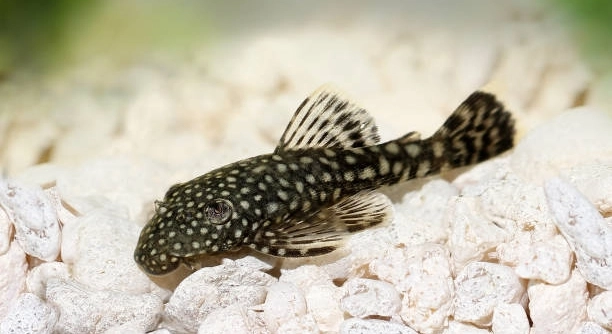
Many aquarium enthusiasts enjoy the idea of adding a pleco to their tank, thinking it’s a great way to maintain cleanliness. However, not every tank is the right environment for these popular fish.
There are certain situations where adding a pleco to your tank is not recommended. Their size, dietary needs, and environmental preferences can clash with your other fish, creating issues that could be difficult to manage.
Understanding these factors can help you make the best decision for your tank’s health. We’ll explore the key reasons why adding a pleco might not always be the ideal choice for your aquarium setup.
Size and Space Limitations
Plecos are known for growing quite large, especially if they’re well taken care of. Some species can reach up to 24 inches in length, which can be a problem for smaller tanks. If your aquarium is too small, a pleco can quickly outgrow its space, leading to stress and potential health issues for both the pleco and the other fish.
Their size also means they need more swimming space and hiding spots. Without these, they might become agitated, leading to aggressive behavior or a failure to thrive in the tank. Even if you have a large tank, it’s important to ensure there’s enough space for all the fish to coexist peacefully.
It’s easy to get excited about adding a pleco, especially if you have a larger tank. However, understanding that they need a spacious environment is essential for ensuring a happy and healthy home for all the aquatic creatures in your tank. A pleco in a small tank can bring more problems than solutions.
Tankmates and Compatibility
Not all fish will get along with a pleco. Some species may be too aggressive, while others may simply not share the same environment needs. Plecos are bottom dwellers and prefer to keep to themselves, but if they’re placed in a tank with overly territorial fish, conflicts can arise quickly.
When choosing tankmates, consider the pleco’s quiet nature and need for space. Smaller fish that are too energetic might stress it out, and larger, aggressive fish could bully the pleco. Additionally, certain fish species might see the pleco as a competitor for food, leading to fights over resources. Understanding which fish pair well with plecos is important to avoid unnecessary tensions.
Choosing the right tankmates for your pleco requires careful thought. It’s crucial to ensure that the pleco’s peaceful nature isn’t disrupted by overly aggressive or incompatible species. Picking the wrong tankmates could not only harm the pleco but also the other fish in your tank.
Water Conditions
Plecos are sensitive to water conditions, particularly changes in pH, hardness, and temperature. If your tank’s water is not suitable for them, they may become stressed, which can lead to illness. Keeping the water clean and stable is vital for their health and wellbeing.
These fish prefer slightly acidic to neutral water with a temperature range of 74 to 80°F. If your aquarium’s conditions vary significantly from this, it can negatively impact the pleco’s ability to thrive. It’s important to regularly check water parameters to ensure they stay within the right range for the pleco to feel comfortable.
Changes in water chemistry can be harmful to plecos over time. They’re less adaptable to water fluctuations compared to other fish species. Maintaining stable water conditions is essential to avoid putting your pleco at risk, which might lead to its decline or the failure to grow properly.
Diet and Feeding Challenges
Plecos are often added to tanks for their algae-eating abilities, but their diet goes beyond just algae. Depending on the species, they may require additional supplements like sinking pellets, vegetables, and occasionally protein-rich foods. It’s important to provide a varied diet.
While they can eat algae, plecos tend to prefer soft, nutritious plant material. If your tank doesn’t have enough natural food for them, you’ll need to supplement their diet to ensure they get the proper nutrients. Some plecos are herbivores, while others may need a mix of plant and animal matter to stay healthy.
If you’re not prepared to provide the proper food or you’re using a tank setup that doesn’t support these needs, your pleco may not thrive. Ensuring a balanced and consistent diet is critical, as a poor diet can lead to nutritional deficiencies, which can affect the pleco’s health and lifespan.
Aggressive Behavior in Some Species
Some pleco species, especially as they grow, can become territorial or aggressive. This behavior can lead to conflicts with other fish in the tank, especially if there isn’t enough space for them to establish their own area. Aggression can harm both the pleco and tankmates.
While many plecos are peaceful, species like the Bristlenose Pleco can sometimes exhibit aggressive behaviors. They may chase or chase off other fish if they feel their territory is threatened. This can cause unnecessary stress to your tank’s peaceful dynamics, so it’s crucial to research the species you plan to add.
Choosing the right pleco species and ensuring your tank has plenty of space and hiding spots can prevent aggression. However, even the gentlest pleco can become territorial when overcrowded or stressed. If aggression is an issue, consider adjusting your tank setup or choosing a more peaceful species.
Overcrowding in the Tank
Plecos need space, and overcrowding can lead to problems. Too many fish in a tank can increase stress levels, reduce oxygen, and cause the pleco to feel cramped. This can affect its health and behavior.
When you add a pleco to an already crowded tank, you’re setting up an environment where fish may compete for food, hiding spaces, and swimming room. The pleco can become stressed, which impacts its ability to eat properly and grow. It’s essential to leave enough space for each fish to live comfortably.
If overcrowding becomes an issue, it can be difficult to maintain water quality, and this can harm the pleco and other fish. Ensuring your tank isn’t overcrowded is one of the most straightforward ways to maintain a healthy aquarium where your pleco can thrive.
Incompatible Tank Decor
The decor in your tank can significantly affect the well-being of a pleco. Sharp rocks or decorations can injure their delicate underbellies as they move around the tank, while a lack of hiding spots can make them feel exposed.
Plecos are shy fish, and they need places to hide, especially during the day. Without proper hiding spots, they can become stressed or even ill. Additionally, sharp decorations or objects in the tank can cause physical harm as they navigate through their environment.
To avoid potential issues, make sure to include smooth, rounded decorations and rocks in your setup. Also, adding caves or plants can create a more natural environment where the pleco can feel safe and secure.
FAQ
How big do plecos get?
Plecos can grow anywhere from 6 to 24 inches, depending on the species. Some smaller varieties, like the Bristlenose Pleco, stay around 4 to 6 inches, while larger species, such as the common pleco, can grow up to 24 inches in length. It’s important to know the adult size of your specific pleco to ensure your tank has enough room for it to grow comfortably.
Can plecos live in small tanks?
While smaller species of plecos can live in tanks as small as 20 gallons, larger plecos need a minimum of 75 gallons or more to thrive. It’s important to consider the adult size of your pleco before deciding on a tank size. A tank that’s too small can cause stress and health problems for the pleco.
Do plecos eat algae?
Yes, plecos are often added to tanks because of their ability to eat algae. They’ll help keep algae growth under control, but they shouldn’t be relied on solely for tank cleaning. Plecos also need a varied diet, including sinking pellets, vegetables, and occasionally protein, to stay healthy.
Are plecos aggressive?
Most plecos are peaceful, but some species can become territorial, especially as they grow. Larger plecos, in particular, may display aggressive behaviors toward other fish if they feel crowded or threatened. It’s essential to choose the right species and provide enough space and hiding spots to reduce aggression.
How often should I feed my pleco?
Plecos are nocturnal feeders, so it’s best to feed them in the evening. Offer food 2 to 3 times a week, depending on their size and activity level. If your pleco is active and growing, it may need more frequent feedings. Be sure to provide a balanced diet of algae, vegetables, and sinking pellets.
Can plecos live with other fish?
Plecos can live with many types of fish, but compatibility depends on the species and temperament of both the pleco and its tankmates. Generally, peaceful species like Bristlenose Plecos can live with smaller, non-aggressive fish. Larger, more aggressive plecos may need to be kept alone or with fish that can handle their territorial nature.
Do plecos need a filter?
Yes, plecos produce a significant amount of waste, so a strong filter is essential for keeping water quality high. A good filter helps remove debris and keeps the water clean, which is especially important for plecos in tanks with other fish. Regular water changes and proper filtration will help prevent any buildup of harmful toxins.
What is the best water temperature for a pleco?
Plecos prefer temperatures between 74°F and 80°F. Water that’s too cold can cause stress, while temperatures that are too high can cause oxygen depletion and lead to health issues. Always use a heater to maintain a stable temperature within this range for your pleco’s well-being.
Can plecos live with bettas?
While plecos and bettas are both peaceful in their own right, they can have problems living together. Bettas, especially males, are territorial and may become aggressive toward plecos if they feel their space is being invaded. Plecos also prefer a calm environment, so it’s better to avoid keeping them with bettas.
Do plecos need hiding spots?
Yes, plecos are shy and need hiding spots to feel safe. Caves, driftwood, and plants can provide them with the cover they need, especially during the daytime when they are less active. Without places to hide, plecos may become stressed or more vulnerable to bullying by other fish in the tank.
How do I prevent pleco overfeeding?
Overfeeding plecos can lead to poor water quality and health issues like obesity. It’s best to only feed them the amount they can consume in a few hours. If there’s leftover food, remove it from the tank to avoid it decaying. Monitor their weight and adjust their feeding routine as needed.
Can plecos live in brackish water?
Most plecos prefer freshwater, although some species can tolerate brackish water for short periods. It’s important to check the specific needs of your pleco species before adjusting the salinity in your tank. Most plecos do better in stable, clean, freshwater environments rather than in brackish water conditions.
Are plecos good for beginners?
Plecos can be a good choice for beginners if you choose the right species and provide proper care. Smaller species like the Bristlenose Pleco are easier to manage and more adaptable to smaller tanks. Larger plecos require more attention, space, and proper tank mates, making them better suited for more experienced aquarists.
How do I clean my pleco’s tank?
Cleaning a pleco’s tank is essential for maintaining a healthy environment. Remove uneaten food and perform regular water changes of about 25-30% weekly. Clean the filter monthly and scrub any algae buildup off the glass. Be sure to clean the tank slowly and gently, as plecos are sensitive to sudden changes in their environment.
Do plecos need light?
Plecos do not require a light source, but they benefit from a day/night cycle. It’s important to have a light schedule to simulate natural conditions. Too much light can cause stress or excess algae growth, while too little light can affect their natural behavior and feeding habits.
Can plecos live in a tank with plants?
Yes, plecos can live with plants, but be cautious of species that may nibble on them. Some plecos enjoy eating soft plants, while others leave them alone. Adding hardy, fast-growing plants like Java Fern or Anubias can help create a natural environment while still providing the pleco with a safe habitat.
When considering adding a pleco to your tank, it’s important to weigh the pros and cons. Plecos are great for keeping algae under control and can add an interesting dynamic to your aquarium. However, they come with specific care requirements, such as needing enough space, a proper diet, and appropriate water conditions. Before introducing one to your tank, make sure you understand the species you’re interested in and its unique needs.
It’s easy to get excited about having a pleco, especially with their reputation for cleaning up algae, but not all tanks are suitable for them. They can grow large, need space to swim, and require specific water parameters to thrive. You’ll also need to provide hiding spots and be prepared to feed them a varied diet. If you don’t have enough space or the right environment, your pleco might not thrive and could even cause problems in your tank.
In the end, adding a pleco is a decision that requires careful consideration. They can be wonderful companions in the right tank, but they are not a one-size-fits-all solution. If you can provide the proper care and space, a pleco can live a long, happy life in your aquarium. However, without the right setup, they might not thrive and could even lead to tank imbalances. Make sure to assess your tank size, water conditions, and available food sources before making the decision.

Hello,
If you enjoy the content that we create, please consider saying a "Thank You!" by leaving a tip.
Every little bit helps us continue crafting quality advice that supports the health, happiness, and well-being of pets around the world, for pets of all shapes, sizes, and species.
We really appreciate the kindness and support that you show us!